
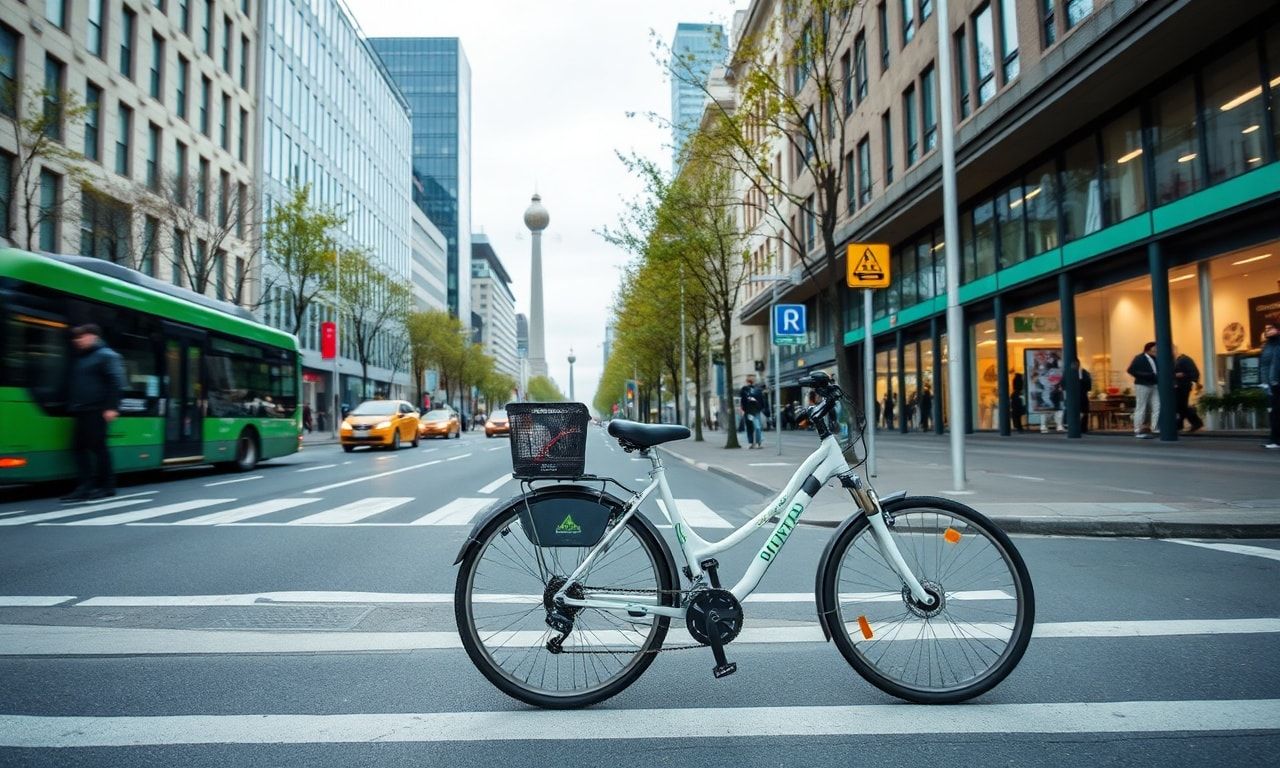
The Rise of Cycling in Berlin
Berlin, the capital city of Germany, has been making significant strides in promoting cycling as a viable mode of transportation. With a growing population and increasing concerns about environmental sustainability, the city has been investing heavily in its cycling infrastructure. This shift is not only transforming the urban landscape but also changing the way residents commute and interact with their city.
According to recent data, the number of cyclists in Berlin has been steadily increasing over the past decade. The city’s extensive network of bike lanes and paths has played a crucial role in this growth. Berlin’s commitment to becoming a bike-friendly city is evident in its ambitious plans to expand and improve its cycling infrastructure. For the latest updates on Berlin’s cycling initiatives, check out Berlin Fahrradwege News.
Expansion of Bike Lanes
One of the most notable developments in Berlin’s cycling infrastructure is the expansion of bike lanes. The city has been actively working on creating more dedicated bike lanes to ensure the safety and convenience of cyclists. These lanes are not only separated from vehicular traffic but also integrated into the urban landscape in a way that promotes a seamless cycling experience.
The expansion of bike lanes is part of a broader initiative to reduce traffic congestion and promote sustainable transportation. By providing a safe and efficient alternative to driving, Berlin aims to encourage more residents to opt for cycling as their primary mode of transportation. This shift is expected to have a positive impact on the environment, reducing air pollution and carbon emissions.
Integration of Technology
Berlin’s approach to promoting cycling is not limited to physical infrastructure. The city has also been leveraging technology to enhance the cycling experience. Smart bike lanes equipped with sensors and LED lights have been introduced to improve safety and visibility. These technological advancements are designed to make cycling more appealing and accessible to a wider audience.
In addition to smart bike lanes, Berlin has also been investing in bike-sharing programs. These programs provide residents with easy access to bicycles, making it convenient for them to incorporate cycling into their daily routines. The integration of technology in Berlin’s cycling infrastructure is a testament to the city’s commitment to innovation and sustainability.
Community Engagement and Education
Community engagement and education are integral components of Berlin’s strategy to promote cycling. The city has been actively involving residents in the planning and implementation of cycling initiatives. Through public consultations and community meetings, Berlin ensures that its cycling infrastructure meets the needs and preferences of its residents.
Education plays a crucial role in promoting cycling as a safe and sustainable mode of transportation. Berlin has been conducting awareness campaigns and workshops to educate residents about the benefits of cycling and the importance of road safety. These initiatives aim to create a culture of cycling that is inclusive and accessible to all.
The Future of Cycling in Berlin
The future of cycling in Berlin looks promising. The city’s ambitious plans to expand and improve its cycling infrastructure are expected to have a significant impact on urban mobility. By promoting cycling as a viable alternative to driving, Berlin aims to create a more sustainable and livable city.
As Berlin continues to invest in its cycling infrastructure, it is poised to become a global leader in urban mobility. The city’s commitment to innovation, sustainability, and community engagement sets a strong foundation for the future of cycling in Berlin. With ongoing efforts and continuous improvements, Berlin is well on its way to achieving its vision of a bike-friendly city.