
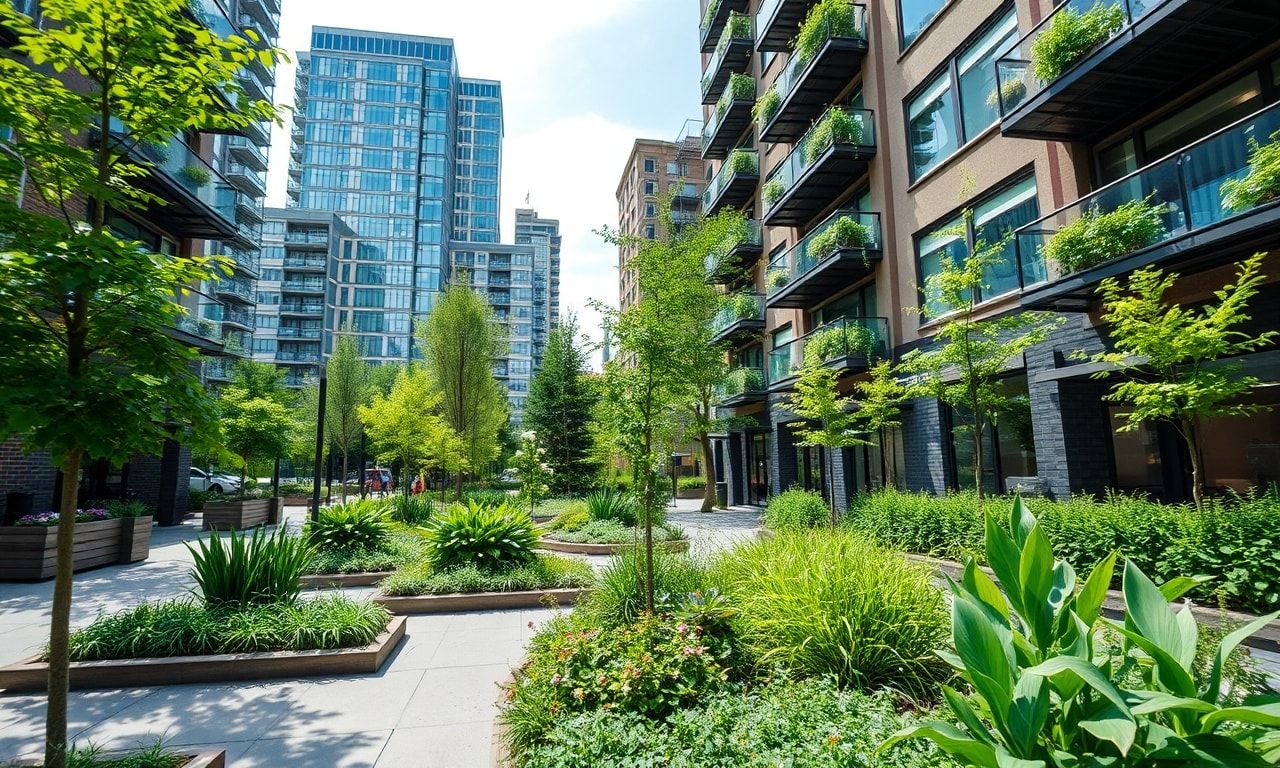
The Importance of Green Spaces in Urban Areas
In recent years, the importance of green spaces in urban areas has been gaining significant attention from city planners, environmentalists, and real estate developers. As cities continue to grow and populations increase, the demand for accessible and well-maintained parks and recreational areas has become more critical than ever. These green spaces not only provide a respite from the hustle and bustle of city life but also offer numerous health and environmental benefits.
Studies have shown that access to green spaces can improve mental health, reduce stress, and encourage physical activity. Additionally, urban parks play a crucial role in mitigating the urban heat island effect, improving air quality, and supporting biodiversity. As a result, the presence of green spaces has become a key factor in the desirability and value of real estate properties.
The Impact of Green Spaces on Property Values
The presence of parks and recreational areas can significantly enhance the value of nearby properties. Homes and commercial buildings located near green spaces often command higher prices and enjoy greater demand. This trend is particularly evident in cities where space is limited, and green areas are a scarce commodity. Real estate developers are increasingly recognizing the value of incorporating green spaces into their projects, whether through the creation of private gardens, rooftop terraces, or proximity to public parks.
For example, in cities like Munich, the availability of green spaces such as the English Garden and the Olympiapark has a profound impact on the local real estate market. Residents and investors alike are drawn to the quality of life that these areas provide. For more information on the recreational activities available in Munich’s parks, visit München Parks Freizeitaktivitäten.
Case Studies: Cities Leading the Way
Several cities around the world have set excellent examples of integrating green spaces into urban planning. Copenhagen, for instance, is known for its extensive network of parks and green corridors, which have contributed to the city’s high quality of life and sustainability. Similarly, Singapore has made significant strides in creating vertical gardens and rooftop parks, making green spaces accessible even in a highly urbanized environment.
In the United States, cities like New York and San Francisco have also prioritized the development of urban parks. The High Line in New York City, a linear park built on a former elevated rail line, has become a model for urban revitalization. These examples demonstrate how green spaces can transform urban landscapes and enhance the overall appeal of a city.
The Role of Government and Community Initiatives
Government policies and community initiatives play a crucial role in the development and maintenance of urban green spaces. Many cities have implemented policies that mandate the inclusion of green areas in new development projects. These policies not only ensure the availability of recreational spaces but also promote sustainable urban design.
Community initiatives are equally important. Local residents and environmental groups often advocate for the preservation and expansion of green spaces. Through community gardens, tree-planting programs, and volunteer efforts, residents can actively contribute to the creation and upkeep of urban parks. These initiatives not only enhance the aesthetic appeal of neighborhoods but also foster a sense of community and environmental stewardship.
Challenges and Solutions
Despite the numerous benefits of green spaces, there are challenges in their development and maintenance. Limited land availability, budget constraints, and competing priorities can hinder the creation of new parks. Additionally, existing green spaces may face issues such as pollution, vandalism, and underutilization.
To address these challenges, cities can adopt innovative solutions such as vertical gardens, rooftop parks, and underground green spaces. Technological advancements, such as smart irrigation systems and solar-powered lighting, can also help in the efficient maintenance of urban parks. Furthermore, public-private partnerships can provide the necessary funding and expertise to develop and manage green spaces effectively.
The Future of Urban Green Spaces
The future of urban green spaces looks promising, with a growing recognition of their importance in creating sustainable and livable cities. As urbanization continues to rise, the demand for green spaces will only increase. Real estate developers, city planners, and community leaders must work together to ensure that these spaces are integrated into the urban fabric in a way that benefits all residents.
In conclusion, urban green spaces are not just a luxury but a necessity for the well-being of city dwellers. They enhance property values, improve health outcomes, and contribute to environmental sustainability. By prioritizing the development and maintenance of green spaces, cities can create more vibrant, healthy, and resilient communities for future generations.
To stay informed about the latest international developments, we suggest exploring today’s global news overview for a thorough analysis of current events.
As urban centers continue to recover, cities revive nightlife scenes post-pandemic offers a glimpse into the evolving landscape of global nightlife and its impact on local economies.