
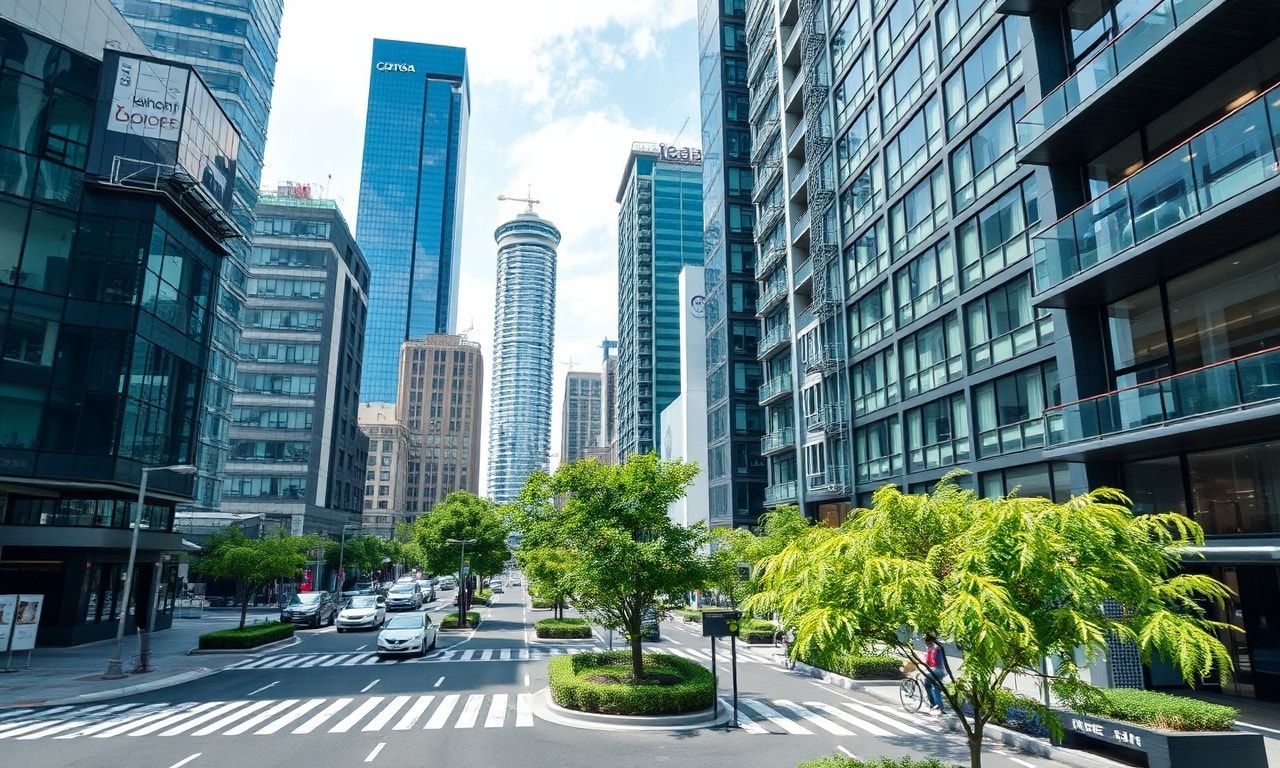
The Rapid Pace of Urban Development
The world is witnessing an unprecedented pace of urbanization, with cities expanding at a rate that has not been seen before. This rapid growth is driven by a combination of factors, including economic opportunities, population increases, and the allure of urban lifestyles. However, this rapid expansion comes with its own set of challenges, particularly in terms of sustainability and infrastructure.
The Role of Development Projects in Urban Growth
Development projects are at the heart of urban expansion. These projects, which include residential buildings, commercial centers, and infrastructure improvements, are essential for accommodating the growing population and meeting the demands of modern living. According to the latest development projects update, cities around the world are investing heavily in large-scale projects to ensure they can keep up with the pace of urbanization.
For instance, cities like Dubai and Singapore have become synonymous with cutting-edge development projects that push the boundaries of architecture and urban planning. These projects not only provide much-needed housing and commercial spaces but also serve as symbols of economic progress and innovation.
Challenges in Urban Development
Despite the benefits, rapid urban development also poses significant challenges. One of the most pressing issues is the strain on existing infrastructure. As cities grow, the demand for transportation, utilities, and public services increases exponentially. This can lead to congestion, overcrowding, and a decline in the quality of life for residents.
Environmental concerns are another major challenge. The construction of new buildings and infrastructure often leads to deforestation, habitat destruction, and increased carbon emissions. These environmental impacts can have long-term consequences, affecting both the local ecosystem and global climate patterns.
Sustainable Urban Planning
To address these challenges, urban planners and policymakers are increasingly focusing on sustainable development practices. Sustainable urban planning involves integrating environmental considerations into the design and implementation of development projects. This approach aims to minimize the negative impacts of urban growth while maximizing the benefits for residents.
One key aspect of sustainable urban planning is the promotion of green spaces. Parks, gardens, and other green areas not only enhance the aesthetic appeal of cities but also provide numerous environmental benefits. They help to improve air quality, reduce urban heat island effects, and support biodiversity.
Another important strategy is the adoption of energy-efficient technologies. Buildings that are designed with energy efficiency in mind can significantly reduce their carbon footprint. This includes the use of renewable energy sources, such as solar and wind power, as well as the implementation of smart building technologies that optimize energy consumption.
Case Studies in Sustainable Development
Several cities around the world have successfully implemented sustainable urban planning practices. For example, Copenhagen, Denmark, has set a goal to become the world’s first carbon-neutral capital by 2025. The city has invested heavily in renewable energy, public transportation, and green building initiatives to achieve this ambitious target.
Similarly, Melbourne, Australia, has been recognized for its commitment to sustainable urban development. The city has implemented a range of initiatives, including the creation of green corridors, the promotion of cycling and walking, and the adoption of energy-efficient building standards. These efforts have not only improved the quality of life for residents but also positioned Melbourne as a leader in sustainable urban planning.
The Future of Urban Development
As cities continue to grow, the need for sustainable urban planning will become even more critical. The future of urban development lies in the ability to balance growth with environmental responsibility. This requires a collaborative effort involving governments, urban planners, developers, and residents.
Innovative technologies and smart city solutions will play a crucial role in achieving this balance. The integration of Internet of Things (IoT) devices, artificial intelligence, and data analytics can help cities optimize resource management, improve infrastructure, and enhance the overall quality of life for residents.
Ultimately, the success of urban development will depend on the ability to create inclusive, sustainable, and resilient cities. By embracing sustainable practices and leveraging innovative technologies, cities can ensure that they are not only accommodating growth but also preserving the environment for future generations.
In the ever-evolving world of technology, pet care is not left behind as innovations continue to emerge; explore how tech transforms pet care in our latest feature.
As global real estate markets continue to evolve, understanding current trends is crucial for investors and professionals alike; delve into key insights on global property markets to stay informed.
In the midst of global events, it’s important to consider practical aspects of daily life; learn about essential car maintenance tips to ensure your vehicle’s longevity.