
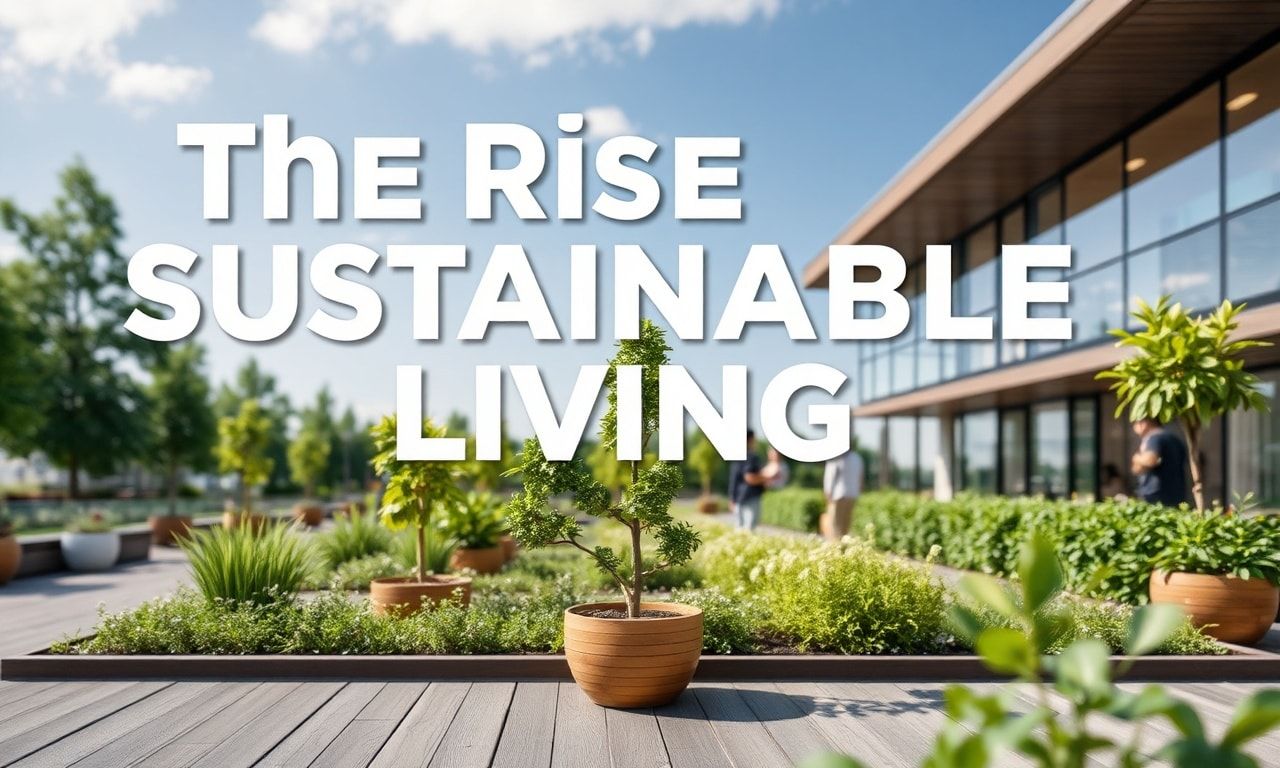
The Shift Towards Sustainable Living
The global push towards sustainable living has gained significant momentum in recent years, influencing various sectors, including property development. As environmental consciousness grows, more people are seeking ways to reduce their carbon footprint and adopt eco-friendly lifestyles. This shift is not only driven by individual choices but also by broader societal trends and governmental policies aimed at combating climate change.
Property developers are increasingly incorporating sustainable practices into their projects, from using renewable energy sources to implementing green building materials. This trend is reshaping the real estate landscape, making sustainable living more accessible and appealing to a wider audience. The integration of sustainable living practical tips into property development is a testament to the growing importance of environmental stewardship in modern society.
The Benefits of Sustainable Living
Adopting sustainable living practices offers numerous benefits, both for individuals and the environment. For property developers, embracing sustainability can lead to cost savings in the long run, as energy-efficient buildings require less maintenance and have lower operational costs. Additionally, sustainable properties often command higher market values and attract environmentally conscious buyers and tenants.
For residents, sustainable living can improve quality of life by promoting healthier living environments. Energy-efficient homes reduce utility bills, while green spaces and community gardens enhance mental and physical well-being. Sustainable living also fosters a sense of community, as residents often engage in collective efforts to reduce waste and conserve resources.
Environmental Impact
The environmental benefits of sustainable living are profound. By reducing energy consumption and minimizing waste, sustainable properties help lower greenhouse gas emissions and conserve natural resources. This collective effort is crucial in mitigating the effects of climate change and preserving ecosystems for future generations.
Innovative Sustainable Practices in Property Development
Property developers are adopting a variety of innovative practices to promote sustainable living. One such practice is the use of renewable energy sources, such as solar panels and wind turbines, to power buildings. These technologies not only reduce reliance on fossil fuels but also provide long-term cost savings for property owners.
Another key practice is the implementation of green building materials, which are eco-friendly and have a lower environmental impact. Materials like bamboo, reclaimed wood, and recycled steel are increasingly being used in construction projects. These materials are not only sustainable but also durable and aesthetically pleasing, enhancing the overall appeal of the property.
Water Conservation
Water conservation is another critical aspect of sustainable living. Property developers are incorporating water-saving technologies, such as low-flow fixtures and rainwater harvesting systems, to reduce water usage. These systems help conserve water resources and lower utility bills, making them a win-win solution for both the environment and property owners.
The Role of Government and Policy
Governmental policies play a significant role in promoting sustainable living. Many countries have implemented regulations and incentives to encourage property developers to adopt sustainable practices. For example, some governments offer tax breaks and subsidies for buildings that meet certain sustainability standards. These policies not only drive innovation in the property development sector but also make sustainable living more affordable and accessible.
Additionally, governments are investing in infrastructure projects that support sustainable living, such as public transportation and bike lanes. These initiatives reduce reliance on private vehicles, lowering carbon emissions and promoting healthier lifestyles. By creating a supportive policy environment, governments are paving the way for a more sustainable future.
Challenges and Future Prospects
Despite the numerous benefits of sustainable living, there are still challenges to overcome. One of the main challenges is the initial cost of implementing sustainable practices, which can be higher than traditional methods. However, the long-term savings and environmental benefits often outweigh the initial investment. Another challenge is the need for greater public awareness and education about sustainable living practices.
The future of sustainable living looks promising, as more people and organizations recognize the importance of environmental stewardship. Advances in technology and innovation are making sustainable living more accessible and affordable. As the demand for sustainable properties continues to grow, property developers will likely continue to adopt eco-friendly practices, shaping a greener and more sustainable future.