
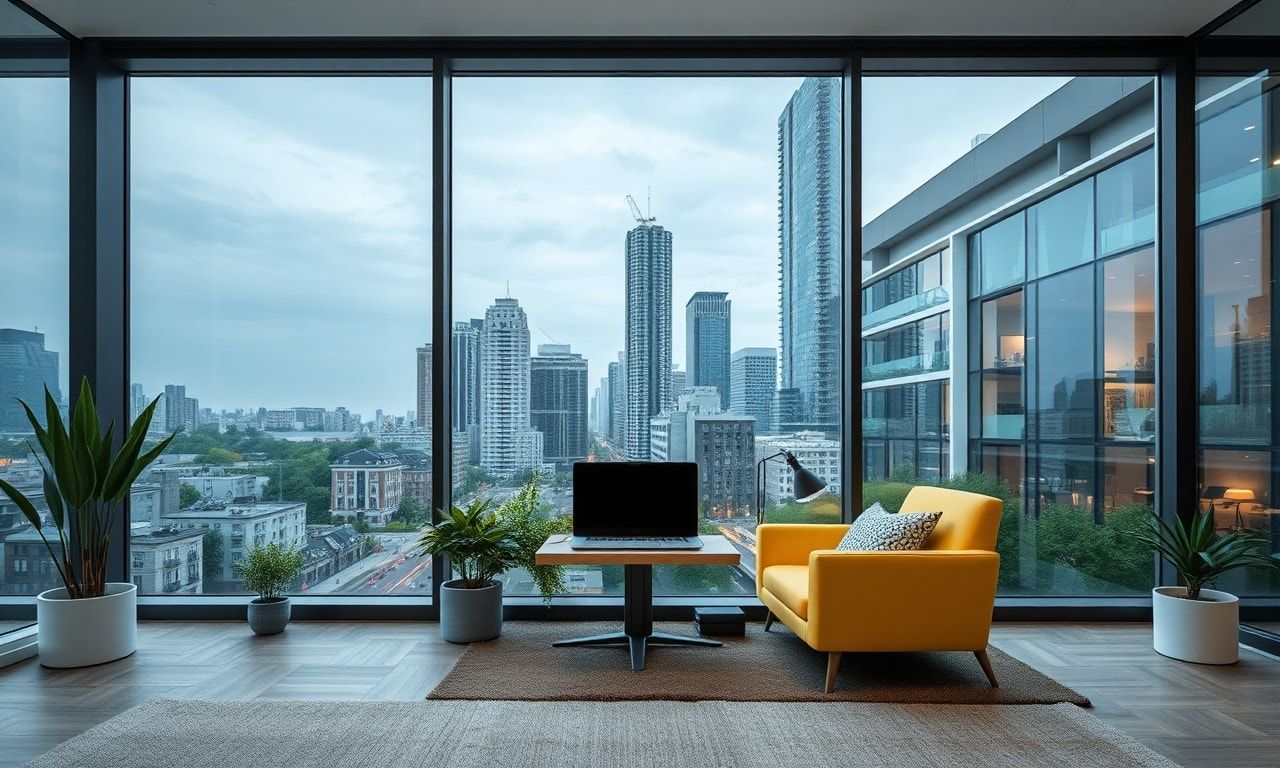
The New Normal: Remote Work and Its Impact
The global pandemic has undeniably altered the way we work, with remote work becoming the new normal for many. This shift has had profound implications on various aspects of life, including real estate and urban planning. As companies continue to embrace remote work, the demand for traditional office spaces is declining, while the need for home offices and flexible workspaces is on the rise. This article explores the transformative impact of remote work on real estate and urban landscapes.
The Decline of Traditional Office Spaces
One of the most significant changes brought about by remote work is the decline in demand for traditional office spaces. Many companies have realized that a significant portion of their workforce can operate efficiently from home, leading to a reduction in the need for large office buildings. This trend is particularly evident in major cities where office vacancies are on the rise. According to recent reports, the vacancy rate in central business districts has increased significantly, reflecting the shift towards remote work.
Economic Implications
The decline in demand for office spaces has economic implications for both landlords and cities. Landlords are facing challenges in filling vacant offices, leading to potential losses in rental income. Cities, on the other hand, may experience a reduction in tax revenues, which could impact public services and infrastructure. However, this shift also presents opportunities for repurposing office buildings into residential or mixed-use spaces, potentially revitalizing urban areas.
The Rise of Home Offices and Flexible Workspaces
As remote work becomes more prevalent, the demand for home offices and flexible workspaces is increasing. Homeowners are investing in creating dedicated workspaces within their homes to enhance productivity and comfort. This trend has led to a surge in demand for properties with extra rooms or spaces that can be converted into home offices. Additionally, co-working spaces and flexible workspaces are gaining popularity as they offer a middle ground between traditional offices and home offices.
Design and Amenities
The rise of home offices has also influenced the design and amenities of new residential properties. Developers are now focusing on creating homes with built-in workspaces, high-speed internet connectivity, and ergonomic furniture. Amenities such as soundproof rooms, natural lighting, and outdoor spaces are also becoming more important to homebuyers. These features not only enhance the quality of life but also contribute to the overall productivity and well-being of remote workers.
The Impact on Urban Planning and Infrastructure
The shift towards remote work is also transforming urban planning and infrastructure. With fewer people commuting to offices, there is a reduced need for extensive public transportation systems and road infrastructure. This presents an opportunity for cities to rethink their urban planning strategies and invest in more sustainable and efficient infrastructure. For instance, cities can repurpose underutilized office buildings into residential or mixed-use spaces, creating more vibrant and inclusive communities.
Sustainability and Green Spaces
Remote work has also highlighted the importance of sustainability and green spaces in urban areas. With fewer people commuting, there is a potential reduction in carbon emissions and traffic congestion. Cities can leverage this opportunity to invest in green spaces, pedestrian-friendly areas, and sustainable transportation options. These initiatives not only improve the quality of life for residents but also contribute to the overall environmental sustainability of urban areas.
Conclusion
The rise of remote work is transforming real estate and urban landscapes in profound ways. While the decline in demand for traditional office spaces presents challenges, it also offers opportunities for repurposing and revitalizing urban areas. The increasing demand for home offices and flexible workspaces is influencing the design and amenities of residential properties. Additionally, the shift towards remote work is prompting cities to rethink their urban planning strategies and invest in more sustainable and efficient infrastructure. As remote work continues to shape the future of work, it is essential for stakeholders to adapt and innovate to create more resilient and inclusive communities.
For more insights on how remote work is influencing various aspects of life, check out these popular articles recommended reading.
As the entertainment industry continues to evolve, our latest feature, exploring today’s top trends, offers an in-depth look at the latest developments in film and gaming.
In the rapidly evolving landscape of law enforcement, technology is playing an increasingly pivotal role; delve into how tech reshapes crime fighting in our latest feature.
As fashion trends continue to evolve, a new piece explores the enduring allure of traditional Japanese attire with kimono’s timeless journey through history.