
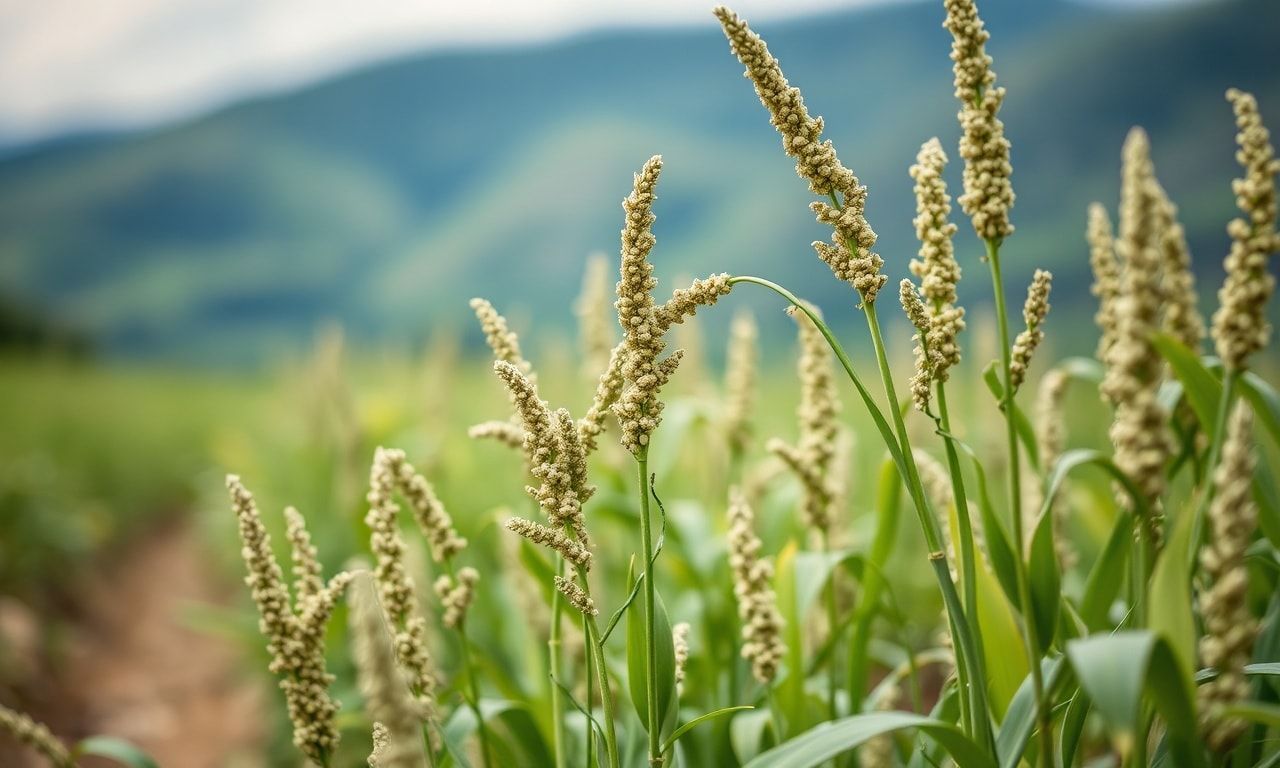
The Emergence of Chia Seed Farming
The agricultural landscape is witnessing a significant shift with the rise of chia seed farming. Once a staple in ancient Aztec diets, chia seeds have gained global recognition for their nutritional benefits and versatility. This resurgence is not only transforming the agricultural sector but also offering new opportunities for rural development. Chia seeds, known for their high omega-3 fatty acids, fiber, and protein content, are increasingly being cultivated in various regions, providing a sustainable crop option for farmers.
The global demand for chia seeds has surged, driven by health-conscious consumers and the growing trend of plant-based diets. This demand has created a lucrative market for farmers, particularly in rural areas where traditional crops may be less profitable. The cultivation of chia seeds requires less water compared to other crops, making it an attractive option for regions facing water scarcity. Additionally, chia plants are relatively low-maintenance, reducing the need for extensive labor and resources.
Economic Impact on Rural Communities
The economic benefits of chia seed farming for rural communities are substantial. Farmers are able to diversify their income streams by incorporating chia seeds into their crop rotation. This diversification can mitigate risks associated with reliance on a single crop, providing a more stable income. Moreover, the processing and packaging of chia seeds can create additional job opportunities within these communities, further stimulating local economies.
Investment in chia seed farming can also lead to infrastructure development in rural areas. The need for storage facilities, transportation, and processing plants can spur local construction and service industries. This, in turn, can attract more businesses and services to these areas, fostering overall economic growth. The ripple effect of chia seed farming can be seen in the improved living standards and increased economic activity in rural communities.
Environmental Benefits
Beyond the economic advantages, chia seed farming offers several environmental benefits. Chia plants are known for their ability to improve soil health. Their deep root systems help prevent erosion and enhance soil structure, making the land more fertile for future crops. Additionally, chia plants require fewer pesticides and herbicides compared to other crops, reducing the environmental impact of farming practices.
The water efficiency of chia plants is another significant environmental benefit. In an era of climate change and water scarcity, crops that require less water are crucial for sustainable agriculture. Chia seeds can thrive in arid and semi-arid regions, making them an ideal crop for areas prone to drought. This water efficiency not only conserves a precious resource but also makes chia seed farming a viable option for regions that may otherwise struggle with agricultural productivity.
Challenges and Considerations
Despite the numerous benefits, chia seed farming is not without its challenges. One of the primary concerns is the initial investment required for setting up chia seed farms. Farmers need to acquire seeds, prepare the soil, and invest in equipment, which can be a significant financial burden. Additionally, the market for chia seeds can be volatile, with prices fluctuating based on global demand and supply.
Another challenge is the lack of awareness and knowledge about chia seed farming among rural farmers. Education and training programs are essential to equip farmers with the necessary skills and knowledge to successfully cultivate chia seeds. Governments and agricultural organizations can play a crucial role in providing these resources and supporting farmers in their transition to chia seed farming.
Future Prospects
The future of chia seed farming looks promising, with increasing global demand and ongoing research into its potential benefits. Scientists are exploring new uses for chia seeds, including their application in biofuels and industrial products. This research could open up new markets and further enhance the economic viability of chia seed farming.
Moreover, the growing trend of sustainable and eco-friendly agriculture is likely to drive further interest in chia seed farming. As consumers become more conscious of their environmental impact, the demand for sustainably produced crops like chia seeds is expected to rise. This trend presents a significant opportunity for rural communities to capitalize on the growing market for sustainable agricultural products.
In conclusion, chia seed farming represents a new horizon for rural development. Its economic, environmental, and social benefits make it a valuable addition to the agricultural landscape. By embracing chia seed farming, rural communities can achieve greater economic stability, environmental sustainability, and improved living standards. For more information on how chia seed farming can contribute to rural development, visit chia seed farming for rural development.