
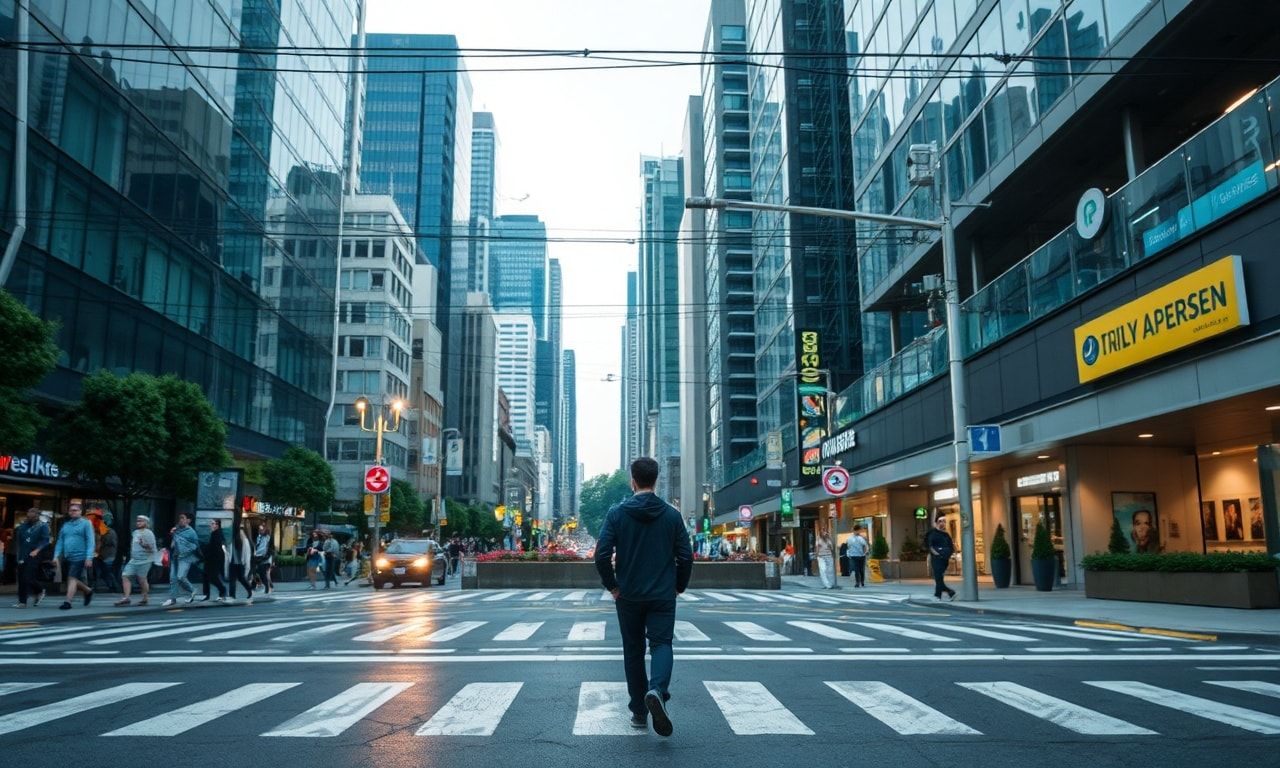
The Rapid Pace of Urbanization
The world is witnessing an unprecedented rate of urbanization. According to the United Nations, 55% of the global population lives in urban areas, a proportion that is expected to increase to 68% by 2050. This massive shift from rural to urban living brings with it a host of challenges, not least of which is the impact on mental health. As cities grow, so do the pressures on individuals, leading to a rise in mental health issues.
The Mental Health Crisis in Urban Areas
Urban environments are often characterized by high population density, noise, pollution, and a fast-paced lifestyle. These factors can contribute to increased levels of stress, anxiety, and depression. A study published in the journal Nature found that living in urban areas is associated with a higher risk of developing mental health disorders. The study suggests that the social and environmental stressors of city life can overwhelm the brain’s ability to cope, leading to long-term mental health problems.
Moreover, the lack of green spaces in urban areas exacerbates the issue. Access to nature has been shown to have a positive impact on mental well-being. In contrast, the concrete jungles of modern cities often leave residents feeling isolated and disconnected from the natural world. This disconnect can further contribute to feelings of anxiety and depression.
The Role of Sleep in Mental Health
One of the critical factors affected by urban living is sleep quality. The constant noise, light pollution, and stress of city life can disrupt sleep patterns, leading to chronic sleep deprivation. Poor sleep is a known contributor to mental health issues, including anxiety and depression. To combat this, many people are turning to herbal remedies for improving sleep quality. These natural solutions can help mitigate the effects of urban stress and promote better sleep, thereby improving overall mental health.
Addressing the Mental Health Crisis
To address the growing mental health crisis in urban areas, a multi-faceted approach is necessary. Governments and urban planners must prioritize the creation of green spaces and recreational areas. These spaces provide a respite from the hustle and bustle of city life and offer opportunities for physical activity, which is known to improve mental health.
Additionally, mental health services must be made more accessible in urban areas. This includes increasing the number of mental health professionals, providing affordable counseling services, and implementing community-based mental health programs. Education and awareness campaigns can also play a crucial role in reducing the stigma associated with mental health issues and encouraging individuals to seek help.
The Importance of Community Support
Community support is another vital aspect of addressing mental health in urban areas. Strong social networks can provide emotional support and a sense of belonging, which are essential for mental well-being. Community initiatives, such as support groups and social events, can help foster these connections and create a supportive environment for individuals struggling with mental health issues.
Looking Ahead
As urbanization continues to accelerate, it is crucial to address the mental health challenges that come with it. By prioritizing green spaces, accessible mental health services, and community support, cities can become healthier and more livable. The goal should be to create urban environments that not only accommodate the growing population but also promote the mental well-being of their residents.
In conclusion, the intersection of urbanization and mental health is a complex issue that requires immediate attention. By taking proactive steps to address the mental health crisis in urban areas, we can ensure that the benefits of urban living are not overshadowed by its challenges. The future of our cities depends on our ability to create environments that support the mental health and well-being of all residents.