
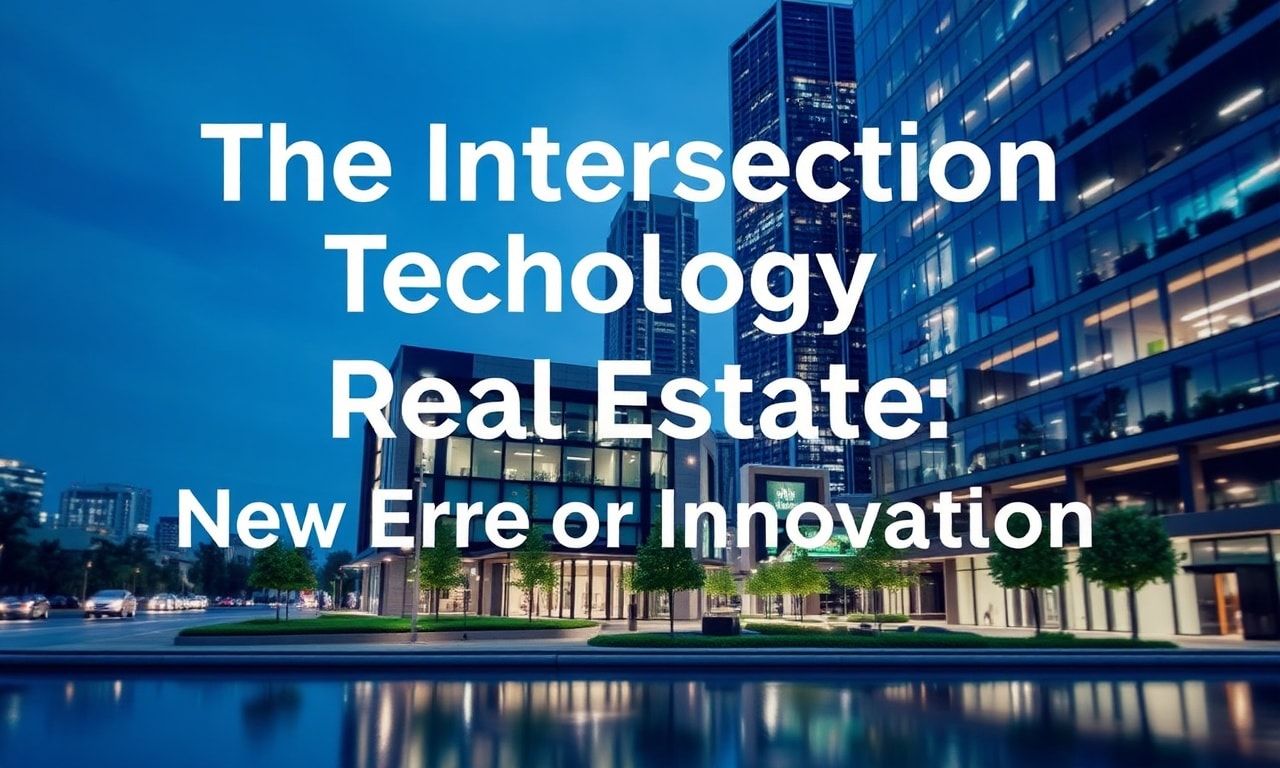
The Evolution of Real Estate Technology
The real estate industry is undergoing a significant transformation, driven by advancements in technology. From virtual reality tours to blockchain-based transactions, the sector is embracing innovation to enhance efficiency and customer experience. This shift is not only changing how properties are bought and sold but also how they are managed and maintained. As we delve into this new era, it’s clear that technology is becoming an integral part of the real estate landscape.
The Role of AI and Machine Learning
Artificial Intelligence (AI) and machine learning are at the forefront of this technological revolution. These technologies are being used to analyze vast amounts of data to predict market trends, assess property values, and even personalize marketing strategies. For instance, AI algorithms can sift through years of sales data to identify patterns that human analysts might miss. This capability is invaluable for investors and developers looking to make informed decisions. For more insights into the latest developments in AI and machine learning, you can visit AI and machine learning news.
Enhancing Customer Experience
AI is also playing a crucial role in enhancing the customer experience. Chatbots and virtual assistants are now commonplace on real estate websites, providing instant responses to potential buyers and renters. These tools can answer queries, schedule viewings, and even provide personalized property recommendations based on user preferences. This level of interaction not only saves time but also builds trust and engagement with potential clients.
The Impact of Virtual and Augmented Reality
Virtual Reality (VR) and Augmented Reality (AR) are revolutionizing the way properties are showcased. VR allows potential buyers to take virtual tours of properties from the comfort of their homes, providing a realistic experience without the need for physical visits. This is particularly beneficial for international buyers or those who are unable to visit properties in person. AR, on the other hand, enhances the viewing experience by overlaying digital information onto the physical world. For example, AR can be used to visualize how a property would look with different furnishings or renovations.
Streamlining Transactions with Blockchain
Blockchain technology is another innovation that is transforming the real estate industry. By providing a decentralized and secure platform for transactions, blockchain can streamline the buying and selling process. Smart contracts, which are self-executing contracts with the terms directly written into code, can automate and secure transactions, reducing the need for intermediaries. This not only speeds up the process but also reduces the risk of fraud and errors.
The Future of Real Estate Technology
The future of real estate technology looks promising, with continuous advancements in AI, VR, AR, and blockchain. As these technologies become more sophisticated, they will likely become standard tools in the industry. For instance, AI could be used to predict market fluctuations with even greater accuracy, while VR and AR could offer more immersive and interactive experiences. Blockchain could further enhance security and transparency in transactions. The key to success will be the ability to integrate these technologies seamlessly into existing systems and processes.
Challenges and Considerations
While the benefits of these technologies are clear, there are also challenges to consider. For example, the implementation of AI and machine learning requires significant investment in data infrastructure and expertise. Similarly, VR and AR technologies can be expensive and may require specialized hardware. Additionally, the adoption of blockchain technology may face regulatory hurdles and resistance from traditional stakeholders. Addressing these challenges will be crucial for the successful integration of technology into the real estate sector.
Conclusion
The real estate industry is on the cusp of a technological revolution. AI, machine learning, VR, AR, and blockchain are just a few of the innovations that are reshaping the sector. As these technologies continue to evolve, they will undoubtedly bring about significant changes in how properties are bought, sold, and managed. The key to success will be the ability to adapt and embrace these advancements, ensuring that the industry remains competitive and customer-focused in an increasingly digital world.
As the situation in Düsseldorf unfolds, our latest report covers the historic flooding impacts and the ongoing relief efforts in the region.
As technology continues to reshape our daily lives, the evolution of tech trends offers a comprehensive look at recent developments and their impact on society.
In the ever-evolving world of business, understanding effective leadership is crucial; strategies for successful entrepreneurs offers a comprehensive look at the skills needed to thrive.