
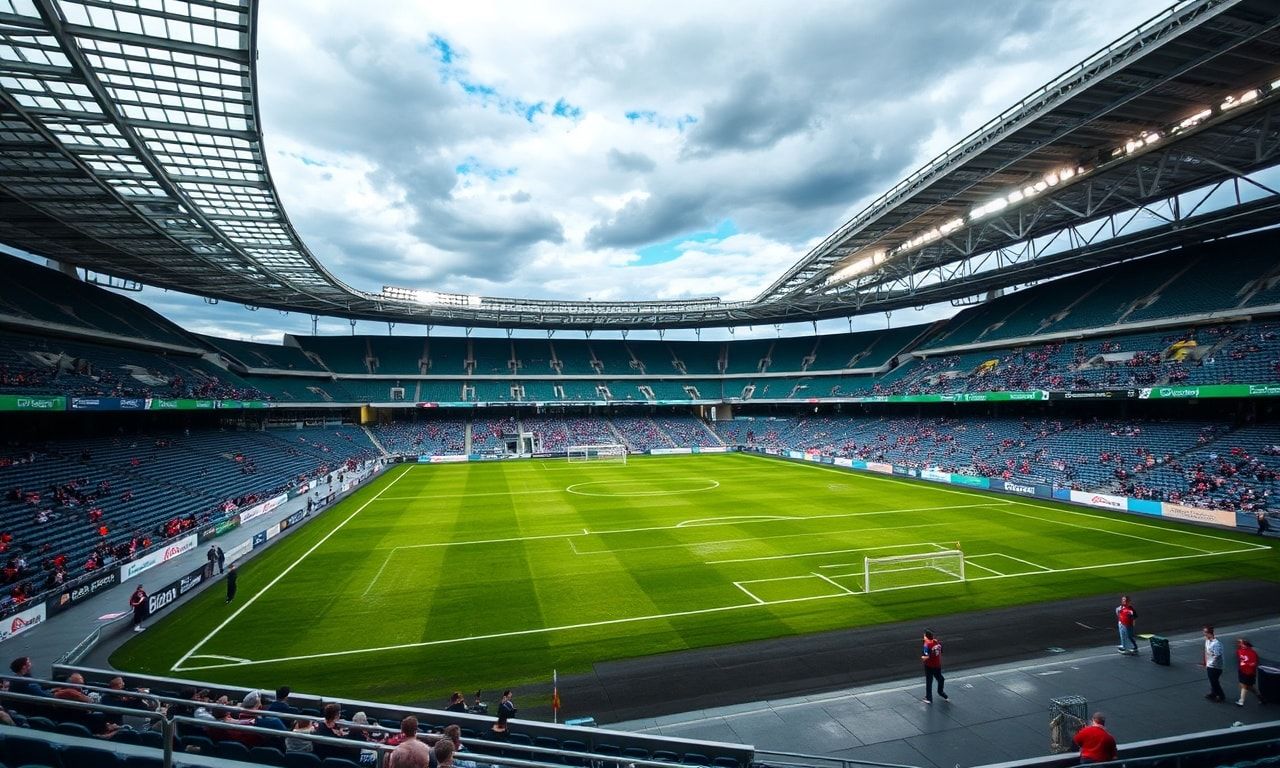
The Role of Sports Venues in Urban Landscapes
Sports venues are more than just stadiums; they are hubs of community engagement, economic activity, and urban development. In Dublin, Ireland, Croke Park stands as a testament to this multifaceted role. As a premier sports and entertainment venue, Croke Park has become an integral part of the city’s fabric, influencing everything from local tourism to infrastructure development. This article explores the impact of Croke Park on Dublin’s urban landscape and the broader implications for cities worldwide.
The Historical Significance of Croke Park
Croke Park, officially known as the GAA Stadium, is the principal stadium and headquarters of the Gaelic Athletic Association (GAA). Established in 1884, the GAA is dedicated to promoting Irish cultural and athletic pursuits, particularly Gaelic games such as hurling and football. The stadium itself has a rich history, having hosted numerous significant matches and events. For instance, the Dublin GAA match news often highlights the stadium’s role in fostering local pride and community spirit.
Economic Impact on the Local Community
The economic benefits of Croke Park extend far beyond the stadium gates. The venue attracts thousands of visitors annually, contributing significantly to local businesses, including hotels, restaurants, and retail stores. According to recent studies, major events at Croke Park generate millions of euros in economic activity for Dublin. This influx of visitors not only boosts local economies but also creates job opportunities, from event staff to hospitality workers.
Infrastructure and Urban Development
The presence of Croke Park has also spurred infrastructure development in the surrounding areas. The stadium’s location in Drumcondra, a suburb of Dublin, has seen considerable investment in public transportation, road networks, and public amenities. The Dublin Bus and Luas (light rail) services have been expanded to accommodate the influx of visitors, making the area more accessible and enhancing the overall urban experience. These improvements benefit not only event-goers but also local residents, fostering a more connected and vibrant community.
Cultural and Social Impact
Beyond economic and infrastructural benefits, Croke Park plays a crucial role in preserving and promoting Irish culture. The stadium hosts a variety of events, from traditional Gaelic games to international concerts and cultural festivals. These events serve as a platform for cultural exchange and community engagement, reinforcing the sense of identity and pride among Dubliners. The stadium’s role in hosting major events like the All-Ireland Football and Hurling Finals underscores its significance as a cultural landmark.
Future Prospects and Challenges
Looking ahead, Croke Park faces both opportunities and challenges. The stadium continues to evolve, with ongoing renovations and expansions aimed at enhancing the spectator experience and increasing capacity. However, balancing the needs of the community with the demands of a modern sports venue remains a critical challenge. Ensuring that the stadium remains accessible and affordable for local residents while attracting international events is a delicate act that requires careful planning and community engagement.
In conclusion, Croke Park exemplifies the profound impact that sports venues can have on urban development. From economic benefits to cultural preservation, the stadium’s role in Dublin’s landscape is multifaceted and far-reaching. As cities around the world grapple with similar challenges, the lessons learned from Croke Park offer valuable insights into the symbiotic relationship between sports and urban development.
To understand the broader impact of sports on local communities, consider exploring Dublin’s football league dynamics in our latest feature.
To understand the implications of recent political decisions, explore policy changes on local economies and their effects on communities.
To gain a deeper understanding of how global events shape local communities, consider exploring current events and their impact, a detailed analysis of recent developments.