
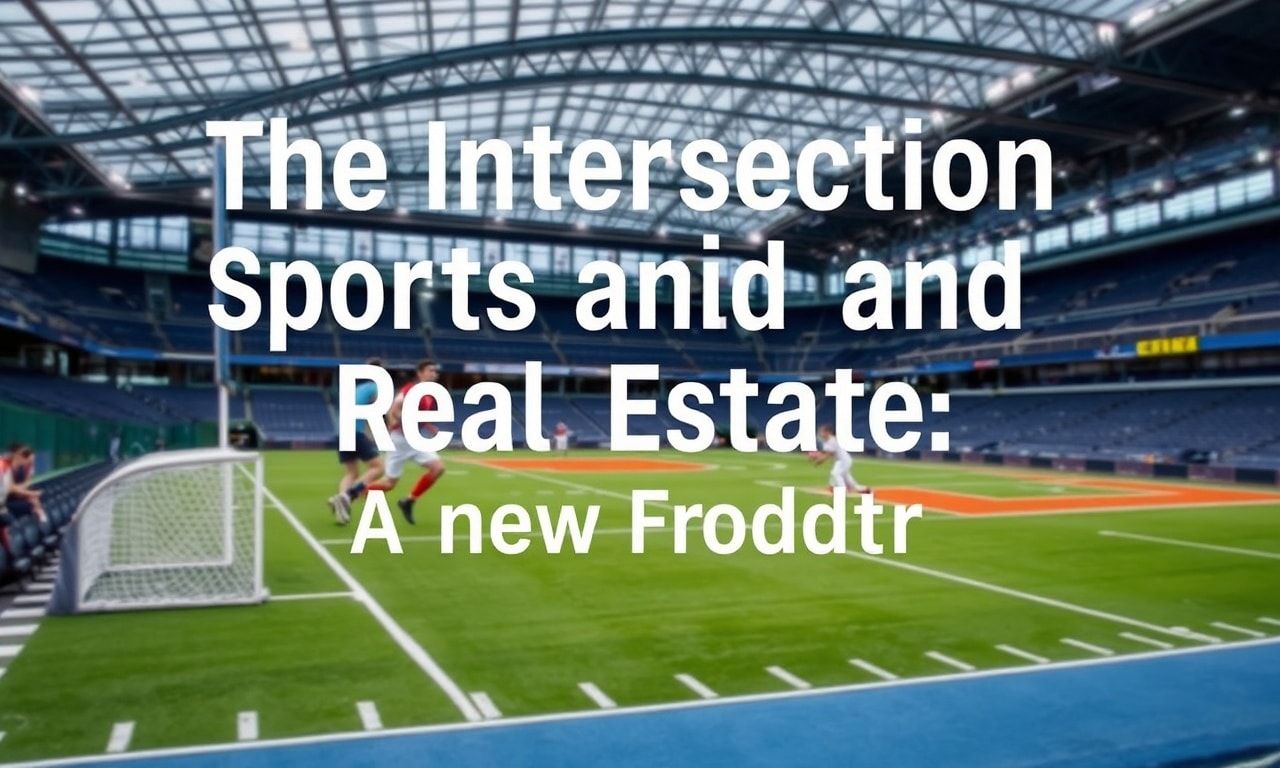
The Growing Nexus Between Sports and Property Markets
The worlds of sports and real estate are increasingly intertwined, creating unique opportunities and challenges for investors, developers, and enthusiasts alike. As the global sports industry continues to expand, the demand for specialized real estate assets is on the rise. This article explores the dynamic relationship between sports and property markets, highlighting key trends and insights from sports analysis expert predictions.
The Rise of Sports-Driven Real Estate
In recent years, there has been a notable surge in the development of sports-driven real estate projects. These projects range from state-of-the-art stadiums and training facilities to mixed-use developments that integrate sports, entertainment, and residential components. The impetus behind this trend is the recognition of the economic and social benefits that sports facilities bring to communities. According to industry experts, these projects not only enhance the local economy but also foster a sense of community and civic pride.
Stadiums and Arenas: The Heart of Sports Real Estate
Stadiums and arenas are at the core of sports-driven real estate. These venues serve as the epicenter for sporting events, concerts, and other large-scale gatherings. The construction and operation of these facilities require significant investment, often involving public-private partnerships. The design and location of these venues are crucial factors that can influence their success. For instance, the Mercedes-Benz Stadium in Atlanta, which opened in 2017, has been lauded for its innovative design and its positive impact on the surrounding real estate market. The stadium’s retractable roof and the world’s largest halo video board have made it a premier destination for sports and entertainment.
Mixed-Use Developments: Integrating Sports and Lifestyle
Mixed-use developments that combine sports, retail, dining, and residential components are becoming increasingly popular. These projects aim to create vibrant, walkable communities where residents and visitors can enjoy a variety of amenities. For example, the SoFi Stadium in Inglewood, California, is part of a larger development that includes a retail and entertainment district, as well as a luxury residential community. This integrated approach not only enhances the overall experience for sports fans but also drives economic growth and property values in the surrounding area.
The Impact of Sports Events on Local Economies
Major sports events, such as the Super Bowl, the World Cup, and the Olympics, have a profound impact on local economies. These events attract thousands of visitors, generating significant revenue for local businesses, hotels, and restaurants. Additionally, the construction of new sports facilities and infrastructure in preparation for these events can create jobs and stimulate economic activity. However, it is essential to consider the long-term benefits and sustainability of these investments. According to sports analysis expert predictions, the economic impact of sports events can be maximized through strategic planning and community engagement.
Investment Opportunities in Sports Real Estate
Investors are increasingly recognizing the potential of sports real estate as a lucrative asset class. The demand for sports facilities, training centers, and related infrastructure is expected to grow, driven by the global expansion of sports leagues and the increasing popularity of sports tourism. Additionally, the rise of esports and virtual sports is creating new opportunities for real estate development. For instance, esports arenas and gaming centers are becoming popular destinations for both local and international visitors. Investors who are able to identify and capitalize on these emerging trends can achieve significant returns on their investments.
Challenges and Considerations
Despite the numerous opportunities in sports real estate, there are also several challenges and considerations that investors and developers must take into account. One of the primary challenges is the high cost of constructing and maintaining sports facilities. These projects often require substantial financial resources and long-term commitments. Additionally, the success of sports real estate projects is heavily dependent on the popularity and performance of the sports teams and events that they host. Market fluctuations, changes in consumer preferences, and unforeseen events, such as the COVID-19 pandemic, can also impact the viability of these investments. Therefore, it is crucial for investors to conduct thorough market research and risk assessments before embarking on sports real estate projects.
Conclusion
The intersection of sports and real estate presents a wealth of opportunities for investors, developers, and communities. As the global sports industry continues to evolve, the demand for specialized real estate assets is expected to grow. By leveraging insights from sports analysis expert predictions and adopting a strategic approach, stakeholders can capitalize on this dynamic market and create sustainable, value-driven projects. Whether it is the construction of new stadiums, the development of mixed-use communities, or the exploration of emerging trends in esports, the future of sports real estate is bright and full of potential.
To stay informed about the latest happenings, consider checking out recent developments in Türkiye for a comprehensive overview.
In the midst of rapid technological advancements, Marcus’s take on tech offers a unique perspective on our complex relationship with innovation.