
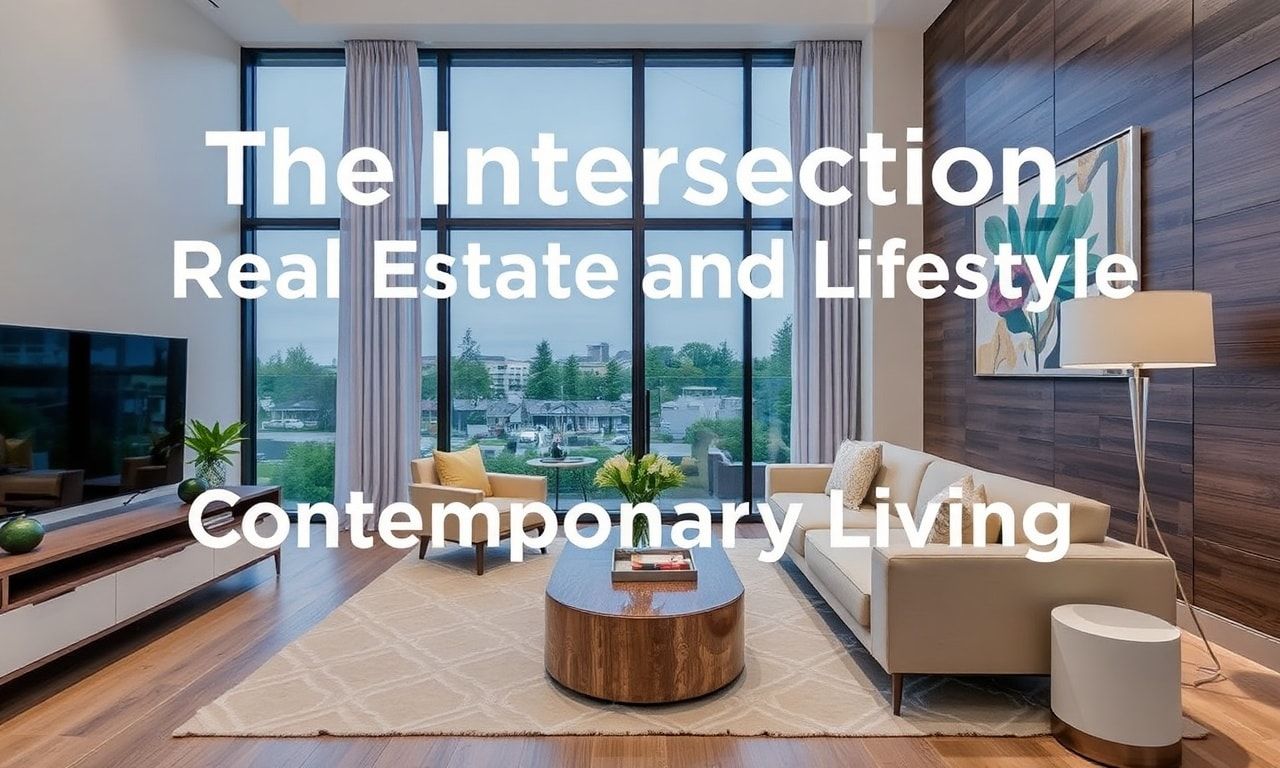
The Evolving Landscape of Property Design
The real estate market is not just about bricks and mortar anymore. It’s about creating spaces that reflect the lifestyles and aspirations of their inhabitants. As we move into a new decade, several design trends are shaping the way we think about our homes and the way we live. From the integration of smart technology to the rise of sustainable materials, the property market is evolving rapidly.
The Rise of Smart Homes
One of the most significant trends in property design is the integration of smart technology. Homebuyers are increasingly looking for properties that offer smart features, such as automated lighting, heating, and security systems. These technologies not only enhance the convenience and comfort of living spaces but also contribute to energy efficiency and cost savings. According to a recent report by PropertyENews, the demand for smart homes has seen a steady rise over the past few years, with millennials and Gen Z buyers leading the charge.
Smart home technology is not just about gadgets and gizmos. It’s about creating a seamless, interconnected living experience. For instance, smart thermostats can learn your preferences and adjust the temperature accordingly, while smart lighting systems can be controlled via voice commands or mobile apps. These innovations are transforming the way we interact with our homes, making them more responsive to our needs and preferences.
The Impact of Sustainable Design
Another key trend in property design is the growing emphasis on sustainability. As awareness of environmental issues continues to rise, more homebuyers are seeking properties that are eco-friendly and energy-efficient. This shift is driving demand for sustainable materials, such as reclaimed wood, recycled glass, and low-VOC paints. Additionally, features like solar panels, rainwater harvesting systems, and green roofs are becoming increasingly popular.
Sustainable design is not just about reducing our carbon footprint. It’s also about creating healthier, more comfortable living environments. For example, energy-efficient windows can help regulate indoor temperatures, reducing the need for artificial heating and cooling. Similarly, natural ventilation systems can improve air quality and reduce the risk of respiratory issues. As the property market continues to evolve, sustainable design is set to play an increasingly important role.
The Influence of Lifestyle on Property Design
Our lifestyles are constantly evolving, and this is reflected in the way we design and use our living spaces. For instance, the rise of remote work has led to a growing demand for home offices and flexible workspaces. Similarly, the increasing popularity of wellness and self-care has led to a greater emphasis on spa-like bathrooms, home gyms, and outdoor living areas.
When it comes to styling and decorating our homes, we often look for inspiration from various sources. For those interested in exploring different fashion strategies and how they can be applied to interior design, resources like styling tips for different fashion strategies can be invaluable. These resources offer a wealth of ideas and advice, helping homeowners to create spaces that are not only functional but also aesthetically pleasing.
The Role of Technology in Property Marketing
Technology is not just transforming the way we design and build properties. It’s also revolutionizing the way we market and sell them. Virtual tours, 3D modeling, and augmented reality are becoming increasingly common in the property market, allowing potential buyers to explore properties remotely and get a better sense of what they’re buying. These technologies are not only making the buying process more convenient but also helping to reduce the risk of miscommunication and disappointment.
Moreover, data analytics and machine learning are playing an increasingly important role in property marketing. By analyzing data on buyer preferences, market trends, and property performance, real estate agents can gain valuable insights into what buyers are looking for and tailor their marketing strategies accordingly. This data-driven approach is helping to make the property market more efficient and transparent, benefiting both buyers and sellers.
The Future of Property Design
As we look to the future, several trends are set to shape the property market in the coming years. For instance, the growing demand for affordable housing is likely to drive innovation in modular and prefabricated construction. Similarly, the increasing popularity of co-living and co-working spaces is likely to lead to a greater emphasis on community and shared amenities.
Furthermore, the ongoing COVID-19 pandemic has highlighted the importance of flexible, adaptable living spaces. As we continue to navigate the challenges of the pandemic, the demand for properties that can accommodate remote work, home schooling, and other lifestyle changes is likely to remain high. This trend is set to have a lasting impact on the property market, shaping the way we design and use our living spaces in the years to come.
In conclusion, the property market is undergoing a period of rapid evolution, driven by advances in technology, changing lifestyle preferences, and growing environmental awareness. As we look to the future, it’s clear that the real estate industry will continue to adapt and innovate, creating spaces that are not only functional and efficient but also reflective of our values and aspirations.