
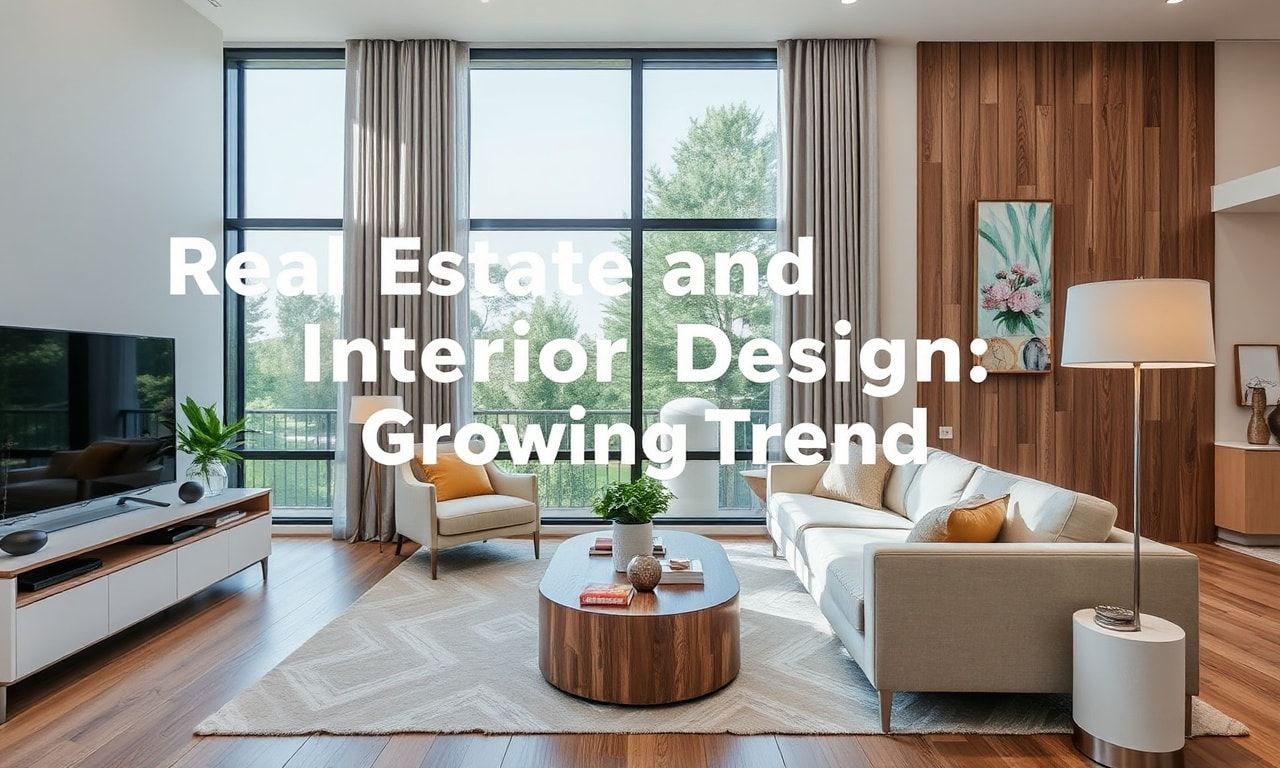
The Evolution of Real Estate and Interior Design
The real estate market is constantly evolving, and one of the most notable trends in recent years is the growing emphasis on interior design. Homebuyers and renters alike are increasingly prioritizing the aesthetic and functional aspects of their living spaces, driving demand for properties that offer both. This shift has significant implications for the real estate industry, as developers and agents are now required to think beyond the structural aspects of a property and consider the overall ambiance and design.
Interior design has become a critical factor in the valuation and marketability of properties. A well-designed space can significantly enhance the perceived value of a home, making it more attractive to potential buyers or renters. This trend is particularly evident in urban areas, where competition for desirable properties is fierce. As a result, real estate professionals are increasingly collaborating with interior designers to create spaces that appeal to modern tastes and lifestyles.
The Impact of Social Media
The rise of social media platforms like Instagram and Pinterest has played a significant role in popularizing interior design trends. These platforms provide a constant stream of inspiration and ideas, influencing how people envision their ideal living spaces. Homeowners are now more informed and discerning, with a clear idea of what they want in terms of design and functionality. This has led to a greater demand for customization and personalization in real estate.
Social media has also made it easier for interior designers to showcase their work and reach a wider audience. This increased visibility has helped to elevate the profile of interior design as a profession, making it an integral part of the real estate value chain. As a result, many real estate agencies are now offering interior design services as part of their packages, recognizing the added value it brings to their clients.
The Role of Technology
Technology has revolutionized the way real estate and interior design intersect. Virtual reality (VR) and augmented reality (AR) technologies, for example, allow potential buyers to visualize how a space can be transformed with different design elements. This not only enhances the buying experience but also helps buyers make more informed decisions. Additionally, online platforms and apps have made it easier for homeowners to access a wide range of design options and products, from furniture to decor.
For those looking to embark on an interior design project, there are numerous online resources available. Websites like ev dekorasyonu yapmak için en iyi ürünler offer a comprehensive selection of products that can help bring any design vision to life. These platforms provide a convenient way to browse and purchase items, making the design process more accessible and enjoyable.
The Economic Implications
The growing emphasis on interior design has economic implications for both the real estate and design industries. On one hand, it has created new opportunities for interior designers, as demand for their services continues to rise. On the other hand, it has increased the costs associated with buying or renting a property, as homeowners are willing to invest more in creating their ideal living spaces.
This trend has also led to the emergence of new business models, such as design-build firms that combine architectural, construction, and design services. These firms offer a one-stop solution for homeowners, streamlining the process of building or renovating a property. The integration of these services has made it easier for homeowners to achieve their design goals, further driving demand for high-quality interior design.
The Future of Real Estate and Interior Design
Looking ahead, the intersection of real estate and interior design is likely to become even more pronounced. As homeowners continue to prioritize the aesthetic and functional aspects of their living spaces, the demand for innovative and personalized design solutions will grow. This trend is expected to drive further collaboration between real estate professionals and interior designers, leading to the development of more integrated and holistic approaches to property development and management.
Moreover, the increasing use of technology in both industries is expected to enhance the design process, making it more efficient and accessible. From VR and AR technologies to online platforms and apps, technology is transforming the way we think about and interact with our living spaces. As these technologies continue to evolve, they will undoubtedly play a crucial role in shaping the future of real estate and interior design.
In conclusion, the growing emphasis on interior design in the real estate market reflects a broader shift in consumer preferences and behaviors. As homeowners increasingly prioritize the aesthetic and functional aspects of their living spaces, the demand for high-quality interior design solutions will continue to rise. This trend presents significant opportunities for both the real estate and design industries, driving innovation and collaboration in the years to come.