
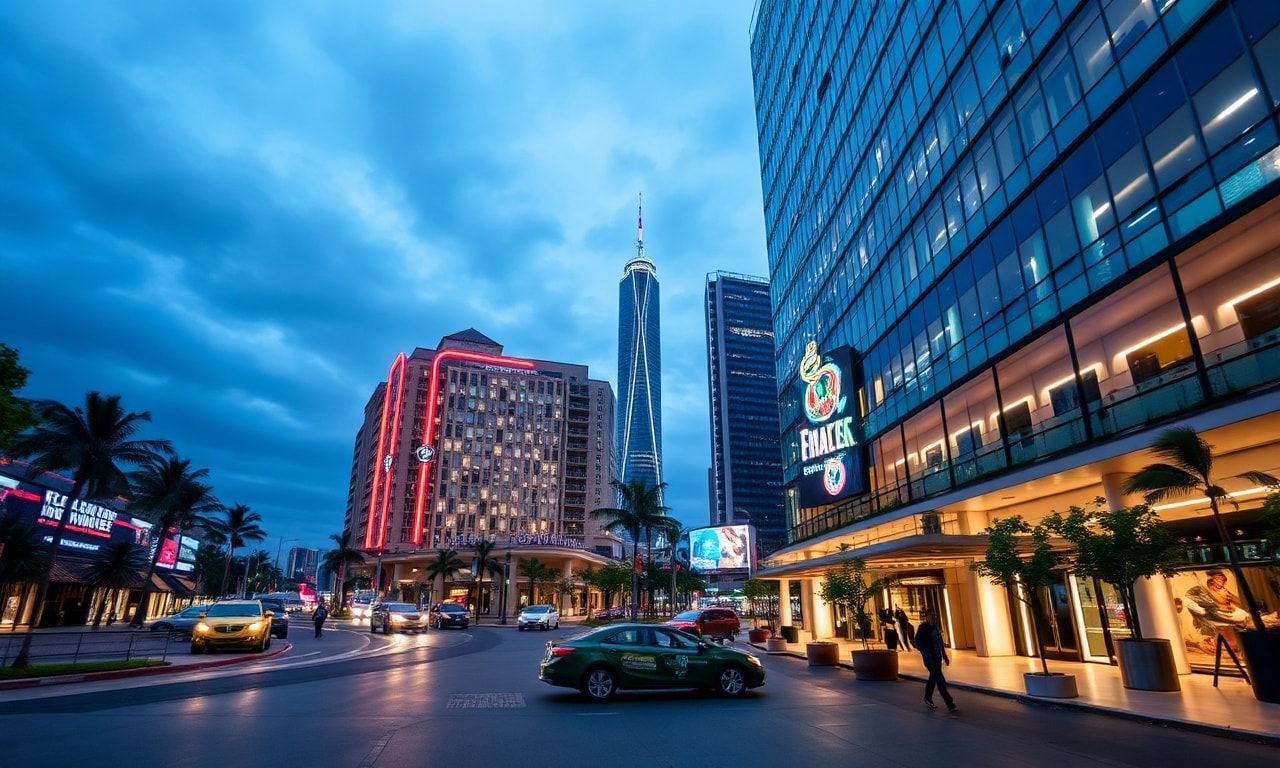
The Growing Symbiosis Between Property and Entertainment
The real estate market is witnessing a significant shift, with entertainment playing a pivotal role in property development. This trend is not only reshaping urban landscapes but also redefining the way investors and developers approach new projects. The integration of entertainment elements into residential, commercial, and mixed-use developments is creating a new wave of opportunities and challenges.
According to industry experts, the demand for properties that offer more than just a roof over one’s head is on the rise. Buyers and renters are increasingly looking for spaces that provide a lifestyle experience, complete with amenities that cater to their leisure and entertainment needs. This shift is driven by a younger generation that values experiences over material possessions, as well as a growing trend of remote work that blurs the lines between home and office.
The Rise of Mixed-Use Developments
Mixed-use developments, which combine residential, commercial, and entertainment facilities, are at the forefront of this trend. These projects aim to create self-contained communities where residents can live, work, and play without needing to travel far. For instance, developments like Hudson Yards in New York City and Santa Monica’s Water Garden in California are setting new standards by integrating theaters, restaurants, and retail spaces into their designs.
These developments are not only attractive to end-users but also to investors. The diversification of income streams from different types of tenants reduces risk and enhances the overall stability of the investment. Moreover, the presence of entertainment venues can significantly boost the value of adjacent properties, creating a ripple effect that benefits the entire community.
The Role of Technology in Entertainment-Driven Properties
Technology is playing a crucial role in the integration of entertainment into real estate. Smart home systems, virtual reality experiences, and interactive digital interfaces are becoming standard features in modern developments. For example, some apartment complexes now offer virtual reality entertainment centers, while others provide smart home systems that allow residents to control their environment with a tap on their smartphones.
Additionally, the rise of streaming services and online gaming has led to an increased demand for high-speed internet and advanced audiovisual systems. Developers are responding by equipping their properties with state-of-the-art technology to cater to these needs. This not only enhances the living experience but also makes the properties more attractive to potential buyers and renters.
The Impact on Urban Planning and Infrastructure
The integration of entertainment into real estate is also influencing urban planning and infrastructure. Cities are increasingly focusing on creating walkable, vibrant communities that offer a mix of residential, commercial, and entertainment options. This approach not only improves the quality of life for residents but also reduces traffic congestion and environmental impact.
For instance, cities like Barcelona and Copenhagen have successfully implemented this model by creating pedestrian-friendly zones and integrating green spaces with entertainment venues. These cities serve as examples of how entertainment-driven developments can contribute to sustainable urban growth.
Challenges and Considerations
While the integration of entertainment into real estate presents numerous opportunities, it also comes with its own set of challenges. One of the primary concerns is the need for careful planning and management to ensure that entertainment venues do not disrupt the residential experience. Noise pollution, increased traffic, and security issues are some of the potential drawbacks that developers need to address.
Moreover, the success of entertainment-driven properties often depends on the availability of eğlence sektörü haberleri güncel and trends. Developers must stay informed about the latest trends and preferences to ensure that their offerings remain relevant and attractive to their target audience. This requires a deep understanding of the entertainment industry and a willingness to adapt to changing market conditions.
The Future of Entertainment-Driven Real Estate
The future of entertainment-driven real estate looks promising, with continued innovation and investment in this sector. As technology advances and consumer preferences evolve, developers will need to stay ahead of the curve to meet the demands of a dynamic market. The integration of entertainment into real estate is not just a trend; it is a fundamental shift in the way we think about property and lifestyle.
In conclusion, the intersection of real estate and entertainment is creating exciting opportunities for developers, investors, and communities. By embracing this trend and addressing the associated challenges, the real estate industry can continue to evolve and thrive in the years to come.
To delve deeper into the city’s vibrant arts landscape, consider exploring Sheffield’s evolving cultural scene and its unique blend of heritage and contemporary influences.
In the midst of today’s fast-paced news cycle, consider exploring daily mindfulness for journalists to maintain balance and focus.
To understand the shifting trends in global digital entertainment, consider exploring how digital entertainment is changing worldwide.