
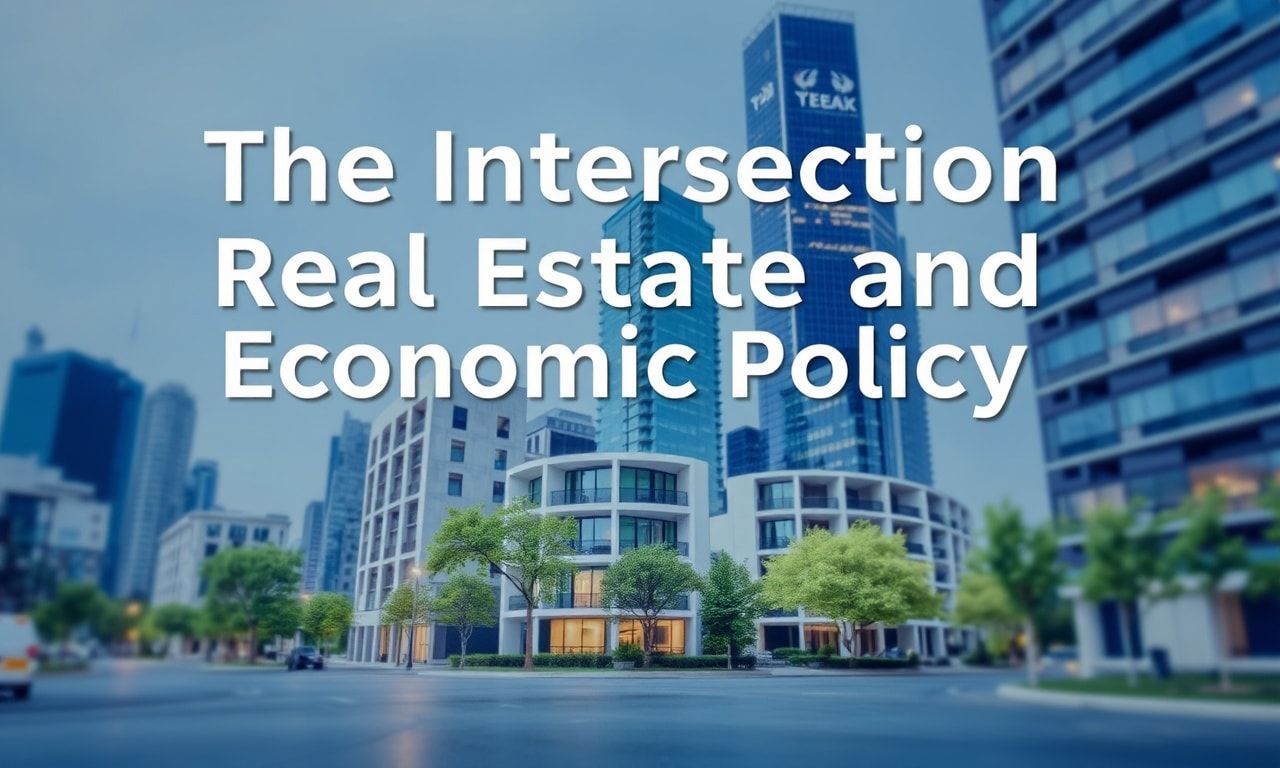
The Impact of Economic Policies on the Real Estate Market
The real estate market is a barometer of economic health, reflecting the broader trends and policies that shape global economies. Recent shifts in economic policy have had profound effects on property values, investment strategies, and market stability. Understanding these dynamics is crucial for investors, policymakers, and homeowners alike.
Central banks around the world have implemented various monetary policies to stimulate economic growth or control inflation. For instance, the Federal Reserve’s decisions on interest rates have a ripple effect on mortgage rates, influencing the affordability of homes in the United States. Similarly, quantitative easing measures in Europe have bolstered property markets by injecting liquidity into the financial system.
In addition to monetary policies, fiscal measures such as tax incentives and subsidies play a pivotal role in shaping the real estate landscape. Governments often introduce tax breaks for first-time homebuyers or offer subsidies for energy-efficient housing to encourage investment and sustainability. These policies not only stimulate demand but also drive innovation in the construction and property sectors.
The Role of Government Regulations
Government regulations are another critical factor influencing the real estate market. Zoning laws, building codes, and environmental regulations determine where and how properties can be developed. For example, stricter zoning laws in urban areas can limit the supply of housing, driving up prices and exacerbating affordability issues. Conversely, relaxed regulations can spur development and create more housing options.
Environmental regulations are also gaining prominence as governments worldwide commit to sustainability goals. Green building standards and energy efficiency requirements are becoming more stringent, pushing developers to adopt eco-friendly practices. This shift not only benefits the environment but also creates new opportunities for investors in green real estate projects.
For those interested in the broader economic context, exploring popular articles recommended reading can provide additional insights into how economic policies impact various sectors, including real estate.
Global Real Estate Trends
The real estate market is not isolated; it is deeply interconnected with global economic trends. The rise of remote work, for instance, has led to a surge in demand for suburban and rural properties as people seek more space and affordability. This trend has been particularly evident in countries like the United States, Canada, and Australia, where urban exodus has become a notable phenomenon.
Additionally, the global pandemic has accelerated the adoption of technology in the real estate sector. Virtual tours, digital transactions, and online property management platforms have become the norm, transforming the way buyers, sellers, and agents interact. This digital shift is expected to continue, making the real estate market more accessible and efficient.
Investors are also looking beyond their domestic markets, seeking opportunities in emerging economies. Countries in Asia, Africa, and Latin America offer high growth potential due to rapid urbanization and economic development. However, investing in these markets comes with its own set of challenges, including political instability, regulatory hurdles, and currency risks.
Challenges and Opportunities
The real estate market is fraught with challenges, from economic downturns to regulatory uncertainties. However, these challenges also present opportunities for savvy investors and policymakers. For instance, economic downturns can create buying opportunities as property prices dip, allowing investors to acquire assets at lower costs. Similarly, regulatory changes can open up new markets or create incentives for specific types of developments.
One of the most significant challenges facing the real estate market is affordability. Rising property prices and stagnant wages have made homeownership increasingly difficult for many people. Addressing this issue requires a multifaceted approach, including policies that increase housing supply, improve affordability, and promote equitable access to housing.
Another challenge is the impact of climate change on real estate. Rising sea levels, increased frequency of natural disasters, and changing weather patterns pose risks to property values and insurance costs. Developers and investors must consider these factors when planning new projects, ensuring that they are resilient to climate-related risks.
Conclusion
The real estate market is a dynamic and complex sector influenced by a myriad of economic, regulatory, and global factors. Understanding these dynamics is essential for navigating the market successfully. Whether you are an investor, policymaker, or homeowner, staying informed about the latest trends and policies can help you make better decisions and capitalize on emerging opportunities.
As the world continues to evolve, the real estate market will undoubtedly face new challenges and opportunities. By adopting a proactive and informed approach, stakeholders can contribute to a more sustainable, equitable, and resilient real estate sector.
As the retail landscape continues to evolve, a new report delves into innovations shaping ecommerce and their potential impact on consumer behavior.