
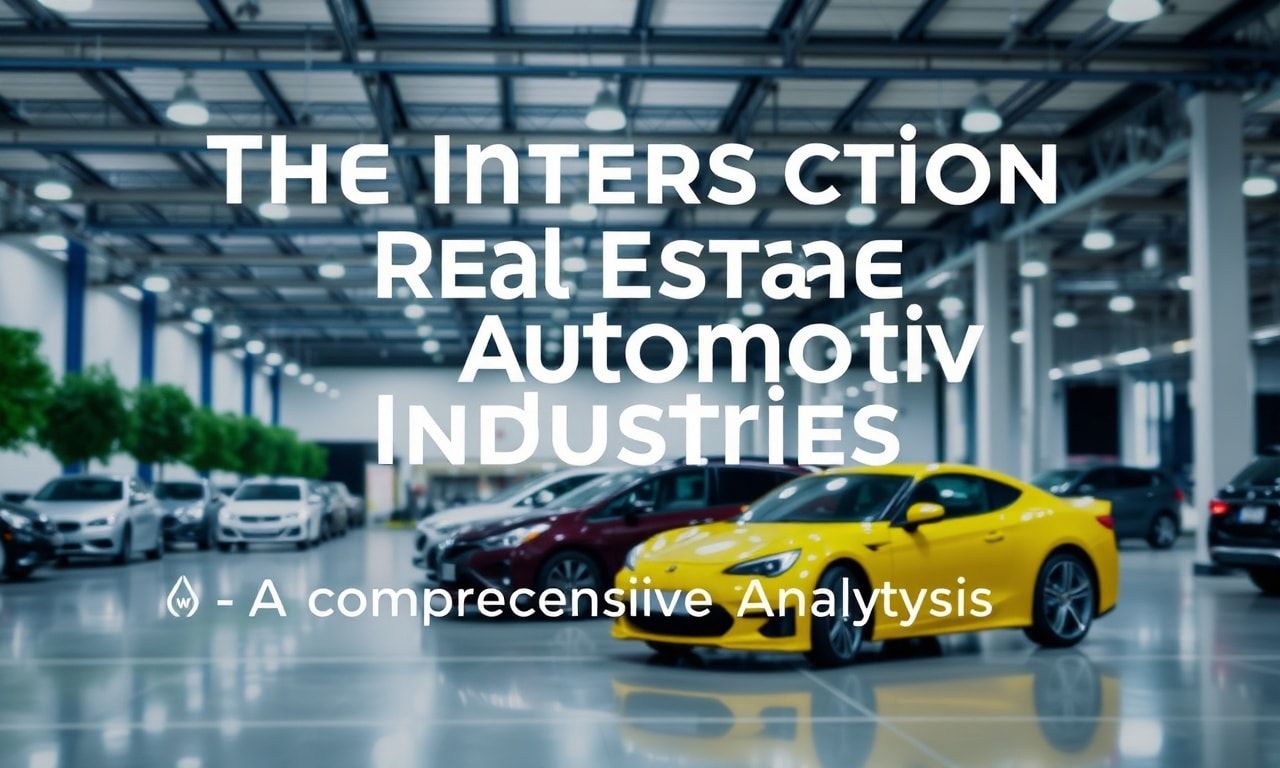
The Growing Symbiosis Between Real Estate and Automotive Sectors
The real estate and automotive industries, two of the most significant economic sectors globally, are increasingly intertwined. This convergence is driven by technological advancements, changing consumer preferences, and the rise of smart cities. Understanding this relationship is crucial for investors, policymakers, and consumers alike.
The Impact of Smart Cities on Both Industries
Smart cities are urban areas that use technology to improve the quality of life for their residents. This includes everything from traffic management to energy efficiency. The development of smart cities has significant implications for both the real estate and automotive sectors. For instance, the demand for properties in well-connected, tech-savvy areas is on the rise. Similarly, the automotive industry is witnessing a surge in the production of electric and autonomous vehicles, which are better suited for smart city environments.
Moreover, the integration of smart technologies in real estate, such as smart homes and buildings, is creating new opportunities for the automotive industry. For example, electric vehicle (EV) charging stations are becoming a standard feature in modern residential and commercial properties. This trend is not only enhancing the value of properties but also driving the adoption of EVs.
The Role of Infrastructure in Shaping the Future
Infrastructure development is a critical factor in the evolution of both industries. The construction of new roads, bridges, and public transportation systems directly impacts the real estate market by influencing property values and accessibility. Conversely, the automotive industry benefits from improved infrastructure, as it facilitates the movement of goods and people, thereby boosting economic activity.
In addition, the rise of shared mobility services, such as ride-hailing and car-sharing, is reshaping urban planning and real estate development. These services reduce the need for personal vehicle ownership, leading to a decrease in parking requirements and an increase in demand for mixed-use developments. This shift is prompting developers to rethink their strategies and incorporate more flexible and sustainable designs into their projects.
The Importance of Maintenance and Upkeep
Maintaining both real estate and automotive assets is essential for ensuring their longevity and value. For property owners, regular maintenance and upgrades can significantly enhance the appeal and functionality of their assets. Similarly, for vehicle owners, adhering to a comprehensive maintenance schedule is crucial for optimal performance and safety.
For those looking to stay on top of their vehicle maintenance, resources like the latest car maintenance schedule guide can be invaluable. These guides provide detailed information on the recommended maintenance tasks for various vehicle models, helping owners keep their cars in top condition. By following these guidelines, vehicle owners can prevent costly repairs and ensure their vehicles remain reliable and safe.
The Future of Real Estate and Automotive Integration
The future of the real estate and automotive industries is likely to be characterized by even greater integration. Advances in technology, such as the Internet of Things (IoT) and artificial intelligence (AI), are expected to drive further innovation in both sectors. For example, the development of autonomous vehicles could lead to the creation of new types of real estate, such as autonomous vehicle depots and charging stations.
Furthermore, the growing emphasis on sustainability is prompting both industries to adopt more eco-friendly practices. The real estate sector is increasingly focusing on green building certifications and energy-efficient designs, while the automotive industry is investing heavily in the development of electric and hybrid vehicles. These trends are not only beneficial for the environment but also create new opportunities for collaboration and growth.
The Role of Government Policies
Government policies play a crucial role in shaping the future of both industries. Policies related to urban planning, transportation, and environmental regulations can significantly impact the growth and development of the real estate and automotive sectors. For instance, incentives for green building and the adoption of electric vehicles can accelerate the transition to more sustainable and efficient urban environments.
Additionally, policies that promote public-private partnerships can facilitate the development of smart city initiatives and infrastructure projects. By working together, governments and private entities can create more livable, efficient, and sustainable urban areas that benefit both industries and residents.
Conclusion
The real estate and automotive industries are increasingly interconnected, driven by technological advancements, changing consumer preferences, and the rise of smart cities. Understanding this relationship is essential for stakeholders to capitalize on emerging opportunities and navigate the challenges ahead. By embracing innovation and collaboration, both industries can contribute to the creation of more sustainable, efficient, and livable urban environments.