
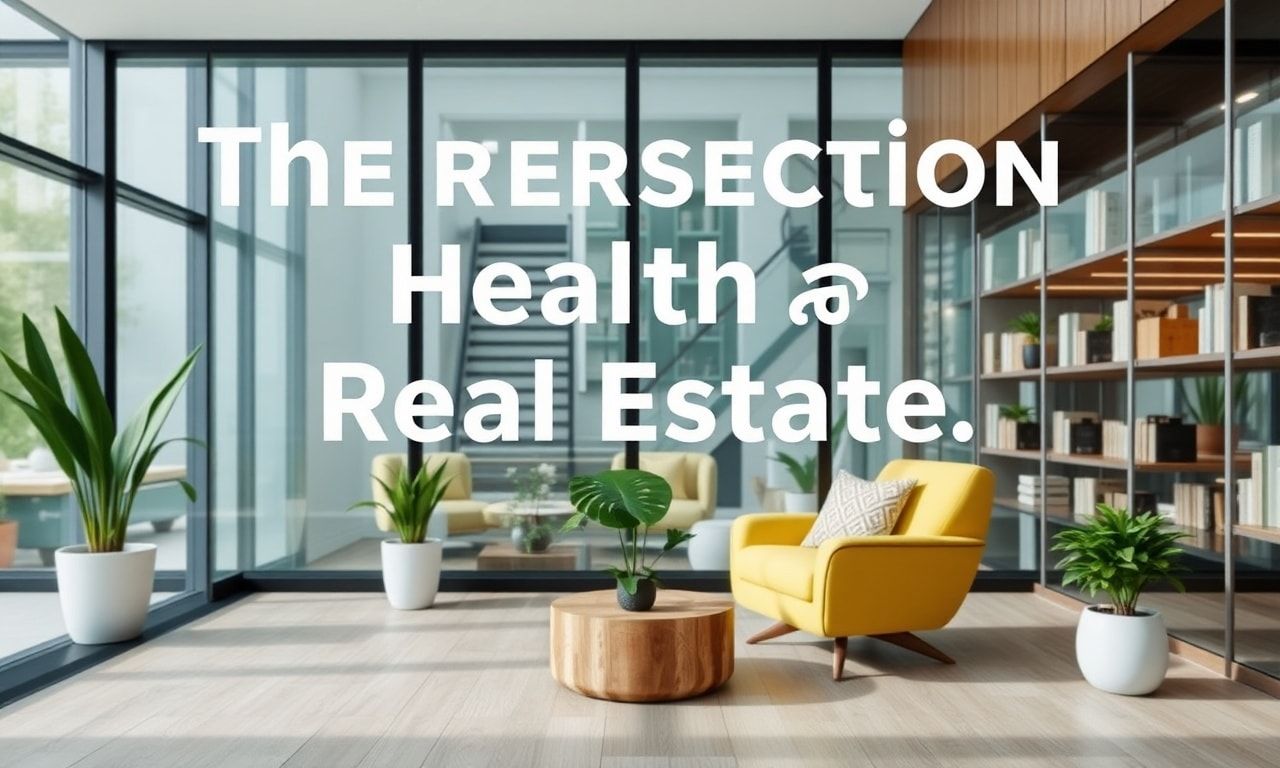
The Rise of Wellness Real Estate
The real estate market is undergoing a significant transformation, driven by the growing emphasis on health and wellness. This shift is not just about aesthetics or luxury; it’s about creating living spaces that promote physical and mental well-being. Developers and investors are increasingly incorporating wellness features into their projects, from air purification systems to dedicated wellness centers. This trend is reshaping the property landscape, making it essential for industry stakeholders to stay informed about the latest health news on best vitamins for women and other wellness trends.
Key Features of Wellness-Focused Properties
Wellness real estate is characterized by several key features that cater to the health-conscious consumer. These include:
- Air and Water Quality: Properties are now equipped with advanced filtration systems to ensure clean air and water, reducing the risk of respiratory and other health issues.
- Natural Light and Ventilation: Designs prioritize natural light and ventilation to create a healthier indoor environment. Large windows, skylights, and open floor plans are becoming standard.
- Green Spaces: The inclusion of green spaces, such as rooftop gardens and indoor plants, is becoming a hallmark of wellness-focused properties. These spaces not only enhance the aesthetic appeal but also improve air quality and provide a calming environment.
- Fitness and Wellness Centers: Many properties now include state-of-the-art fitness centers, yoga studios, and even spa facilities. These amenities encourage residents to maintain an active and healthy lifestyle.
- Smart Home Technology: Smart home systems that allow residents to control lighting, temperature, and security from their smartphones are becoming increasingly popular. These technologies not only enhance convenience but also contribute to a healthier living environment.
The Impact on Property Values
The integration of wellness features into properties is having a notable impact on property values. Studies have shown that homes and buildings with wellness certifications, such as WELL Building Standard, command higher prices and rental rates. Buyers and renters are willing to pay a premium for properties that prioritize their health and well-being. This trend is particularly evident in urban areas where pollution and stress levels are higher.
Moreover, the demand for wellness-focused properties is not limited to residential real estate. Commercial properties, including offices and retail spaces, are also benefiting from this trend. Employers are increasingly recognizing the importance of a healthy work environment and are investing in wellness features to attract and retain talent. This shift is driving demand for commercial properties that prioritize employee well-being.
The Role of Technology in Wellness Real Estate
Technology plays a crucial role in the evolution of wellness real estate. From smart home systems to advanced air purification technologies, innovation is driving the creation of healthier living spaces. Developers are leveraging technology to monitor and improve indoor air quality, control lighting and temperature, and even track residents’ health metrics.
For instance, some properties are equipped with sensors that monitor air quality and automatically adjust ventilation systems to maintain optimal levels. Others use smart lighting systems that mimic natural light patterns to support circadian rhythms and improve sleep quality. These technological advancements are not only enhancing the living experience but also contributing to better health outcomes for residents.
The Future of Wellness Real Estate
The future of wellness real estate looks promising, with continued growth and innovation expected in the coming years. As consumers become more health-conscious, the demand for properties that prioritize well-being is likely to increase. Developers and investors who recognize this trend and adapt their strategies accordingly will be well-positioned to capitalize on this growing market.
Furthermore, the integration of wellness features into properties is expected to become more sophisticated. Advances in technology and a deeper understanding of the factors that contribute to health and well-being will drive the development of new and innovative solutions. This will not only enhance the living experience but also contribute to a healthier and more sustainable future.
Conclusion
The intersection of health and real estate is reshaping the property market, creating new opportunities for developers, investors, and consumers alike. By prioritizing wellness features, properties can command higher values, attract health-conscious buyers and renters, and contribute to a healthier and more sustainable future. As the demand for wellness-focused properties continues to grow, staying informed about the latest trends and innovations will be crucial for industry stakeholders.
For those interested in learning more about the best vitamins for women and other health news, visiting health news on best vitamins for women can provide valuable insights and information.
As alternative medicine gains traction, our latest feature explores natural healing in Turkey and its growing popularity among locals and visitors alike.