
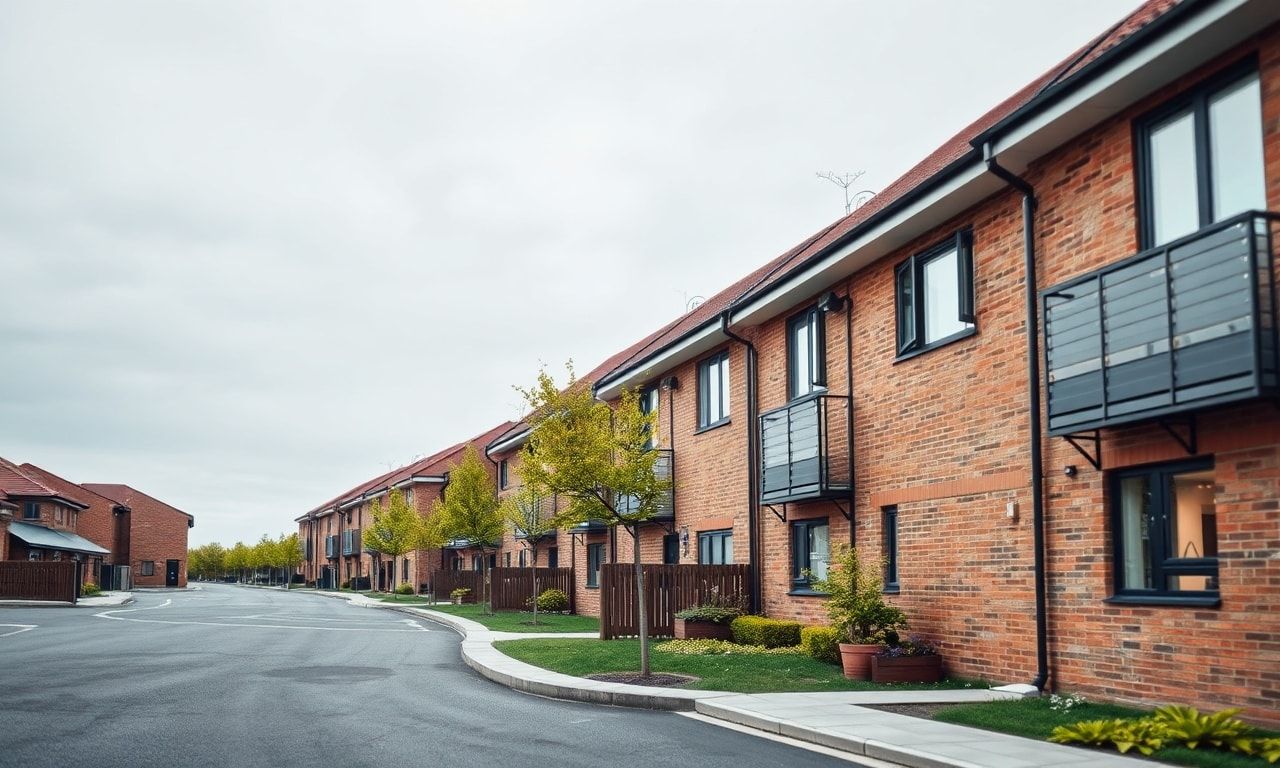
The Link Between Health and Housing
The relationship between health and housing has become an increasingly significant topic in the UK, as studies continue to highlight the profound impact that living conditions can have on an individual’s well-being. Poor housing conditions, such as damp, overcrowding, and inadequate heating, have been linked to a range of health issues, including respiratory problems, cardiovascular diseases, and mental health disorders. This article explores the current state of health and housing in the UK, with a particular focus on the city of Bristol.
According to recent reports, the UK is facing a housing crisis that is exacerbating health inequalities. The lack of affordable housing, coupled with the rising cost of living, has left many individuals and families struggling to maintain a healthy and safe living environment. The situation is further complicated by the ongoing COVID-19 pandemic, which has highlighted the importance of adequate housing in preventing the spread of infectious diseases.
The Impact of Poor Housing on Health
Poor housing conditions can have a detrimental effect on both physical and mental health. For instance, cold and damp housing has been linked to an increased risk of respiratory infections, such as bronchitis and pneumonia. Additionally, overcrowded living conditions can contribute to the spread of infectious diseases and exacerbate mental health issues, such as anxiety and depression.
Moreover, inadequate housing can also impact an individual’s access to healthcare services. Those living in poor housing conditions are more likely to experience health problems that require medical attention, but they may also face barriers to accessing these services due to financial constraints or a lack of transportation. This can lead to a vicious cycle of poor health and inadequate housing, which can be difficult to break without intervention.
Bristol’s Housing and Health Challenges
Bristol, a vibrant city in the south-west of England, is not immune to the challenges posed by poor housing and its impact on health. According to Bristol health service news today, the city has seen a rise in the number of individuals experiencing homelessness, which has been exacerbated by the COVID-19 pandemic. This has placed a significant strain on the city’s health and social care services, as well as highlighting the need for more affordable housing options.
In response to these challenges, the Bristol City Council has implemented a range of initiatives aimed at improving housing conditions and promoting better health outcomes. These include the provision of emergency accommodation for those experiencing homelessness, as well as the development of affordable housing projects to address the city’s housing shortage. Additionally, the council has worked closely with local health services to ensure that those living in poor housing conditions have access to the care and support they need.
The Role of Government Policy
The UK government has a crucial role to play in addressing the intersection of health and housing. In recent years, there have been calls for the government to implement policies that promote the development of affordable housing, as well as those that improve the quality of existing housing stock. This could include measures such as:
- Increasing investment in social housing
- Implementing stricter regulations on private landlords to ensure that properties meet minimum standards
- Providing financial support to those struggling to meet the cost of living
- Promoting the integration of health and housing services to ensure that those in need receive comprehensive support
By taking a holistic approach to the issue of health and housing, the government can help to break the cycle of poor health and inadequate housing, ultimately improving the well-being of individuals and communities across the UK.
Looking to the Future
As the UK continues to grapple with the challenges posed by poor housing and its impact on health, it is essential that all stakeholders, including the government, local authorities, and health services, work together to find sustainable solutions. This could involve the development of innovative housing models, such as co-housing or community land trusts, as well as the implementation of policies that promote the integration of health and housing services.
Furthermore, it is crucial that those affected by poor housing and health inequalities are given a voice in the decision-making process. By listening to the experiences and perspectives of those directly impacted by these issues, policymakers can ensure that their responses are both effective and equitable. Only by taking a collaborative and inclusive approach can the UK hope to address the complex and interconnected challenges of health and housing.
You may also find The Intersection of Fitness and Community: helpful as it covers related aspects of this subject.
For a deeper understanding of this topic, The Evolution of Ecommerce: Trends and offers valuable insights worth exploring.
For a deeper understanding of this topic, Embracing the Spooky Season: Lifestyle Tips offers valuable insights worth exploring.