
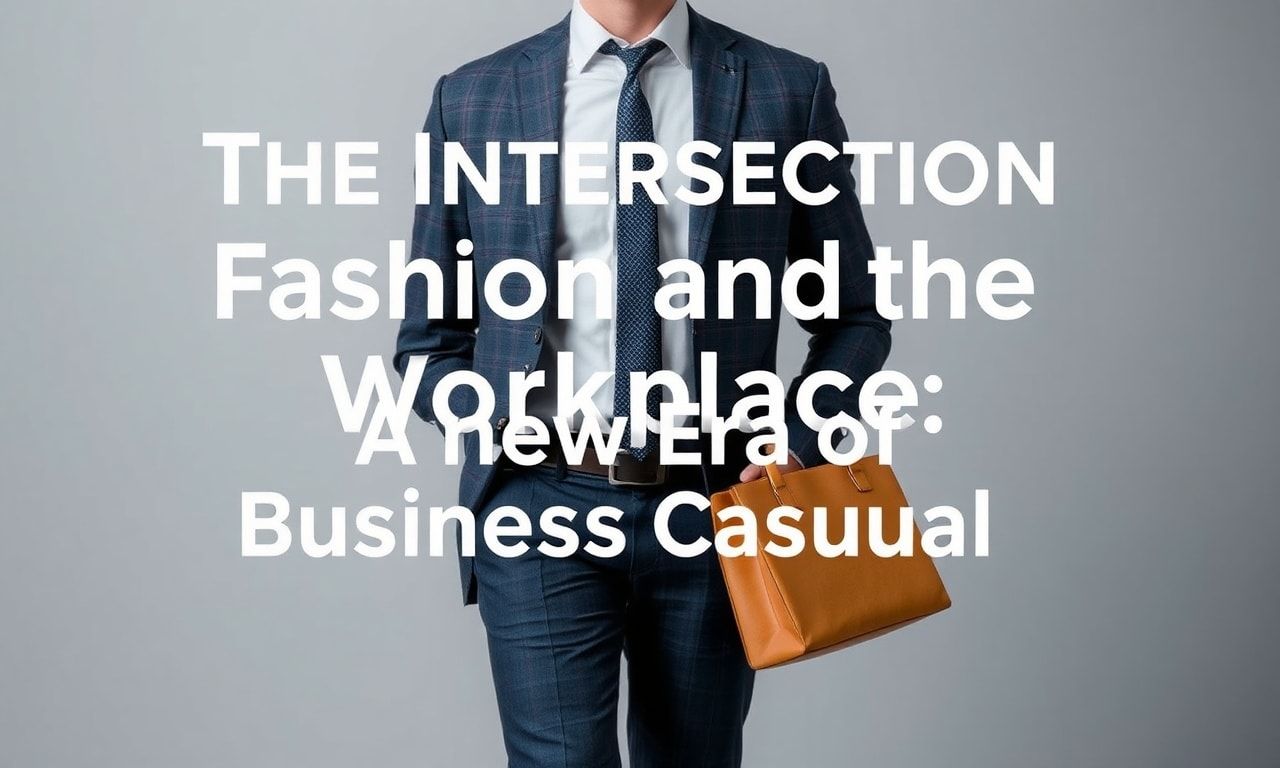
The Evolution of Business Attire
The landscape of workplace attire has undergone a significant transformation over the past few decades. The rigid dress codes of the past have given way to more flexible and comfortable styles, reflecting the changing dynamics of the modern workplace. This shift is not just about comfort; it’s a response to the evolving nature of work, the influence of technology, and the growing emphasis on individual expression.
Business casual has become the norm in many industries, but what exactly does it entail? It’s a blend of professional and casual elements, allowing employees to express their personal style while maintaining a level of professionalism. This shift has been welcomed by many, but it also comes with its own set of challenges and considerations.
The Impact of Business Casual on Workplace Culture
The adoption of business casual dress codes has had a profound impact on workplace culture. It has been linked to increased job satisfaction and employee morale, as individuals feel more comfortable and authentic in their work environment. Moreover, it has been shown to foster a sense of inclusivity and diversity, as employees from different backgrounds and styles feel accepted and valued.
However, the shift to business casual has also raised questions about professionalism and perception. Some argue that dressing more casually can lead to a lack of seriousness or professionalism, while others contend that it promotes a more relaxed and creative work environment. The key lies in striking the right balance, ensuring that the dress code aligns with the company’s culture and values.
Navigating Business Casual: Tips and Guidelines
Navigating the nuances of business casual can be tricky, especially for those new to the concept. The goal is to look polished and professional while feeling comfortable and authentic. Here are some tips to help you master the art of business casual:
- Understand Your Industry: Different industries have different norms and expectations. What’s acceptable in a tech startup might not be appropriate in a law firm. Research your industry’s standards and adapt accordingly.
- Invest in Versatile Pieces: Build a wardrobe with versatile pieces that can be mixed and matched to create different looks. Neutral colors and classic styles are always a safe bet.
- Accessories Matter: Accessories can elevate a casual outfit to business casual. A simple piece of jewelry, like a delicate necklace or a pair of stud earrings, can make a significant difference. For those looking to enhance their business casual wardrobe, consider exploring options like best jewelry for business casual Fridays.
- Pay Attention to Fit: No matter how casual your outfit, it should always fit well. Ill-fitting clothes can make you look unprofessional, even if the individual pieces are appropriate.
- Be Mindful of Occasions: While business casual is the norm, there may be occasions that call for more formal attire. Be aware of your company’s dress code policy and adapt as needed.
The Role of Leadership in Shaping Dress Codes
Leadership plays a crucial role in shaping and enforcing dress codes. Clear communication and consistent enforcement are essential to ensure that everyone is on the same page. Leaders should also be mindful of the message they send with their own attire, as it sets the tone for the rest of the organization.
Moreover, leaders should be open to feedback and willing to adapt the dress code as needed. The workplace is dynamic, and what works today might not work tomorrow. Regularly reviewing and updating the dress code can help ensure it remains relevant and effective.
The Future of Workplace Attire
The future of workplace attire is likely to continue evolving, driven by technological advancements, cultural shifts, and changing work patterns. Remote work, for instance, has blurred the lines between professional and personal spaces, leading to a more relaxed approach to dress codes.
As we move forward, it’s essential to strike a balance between professionalism and personal expression. Dress codes should be flexible enough to accommodate individual styles and preferences while maintaining a level of professionalism that aligns with the company’s values and culture. The goal is to create a work environment where everyone feels comfortable, valued, and respected.
In conclusion, the intersection of fashion and the workplace is a complex and evolving landscape. As we navigate this terrain, it’s crucial to remain open-minded, adaptable, and respectful of diverse styles and preferences. After all, our attire is not just about how we look; it’s a reflection of who we are and how we choose to present ourselves to the world.
As the season of galas and events approaches, our guide to elevating your wardrobe essentials offers practical advice for navigating the latest fashion trends.