
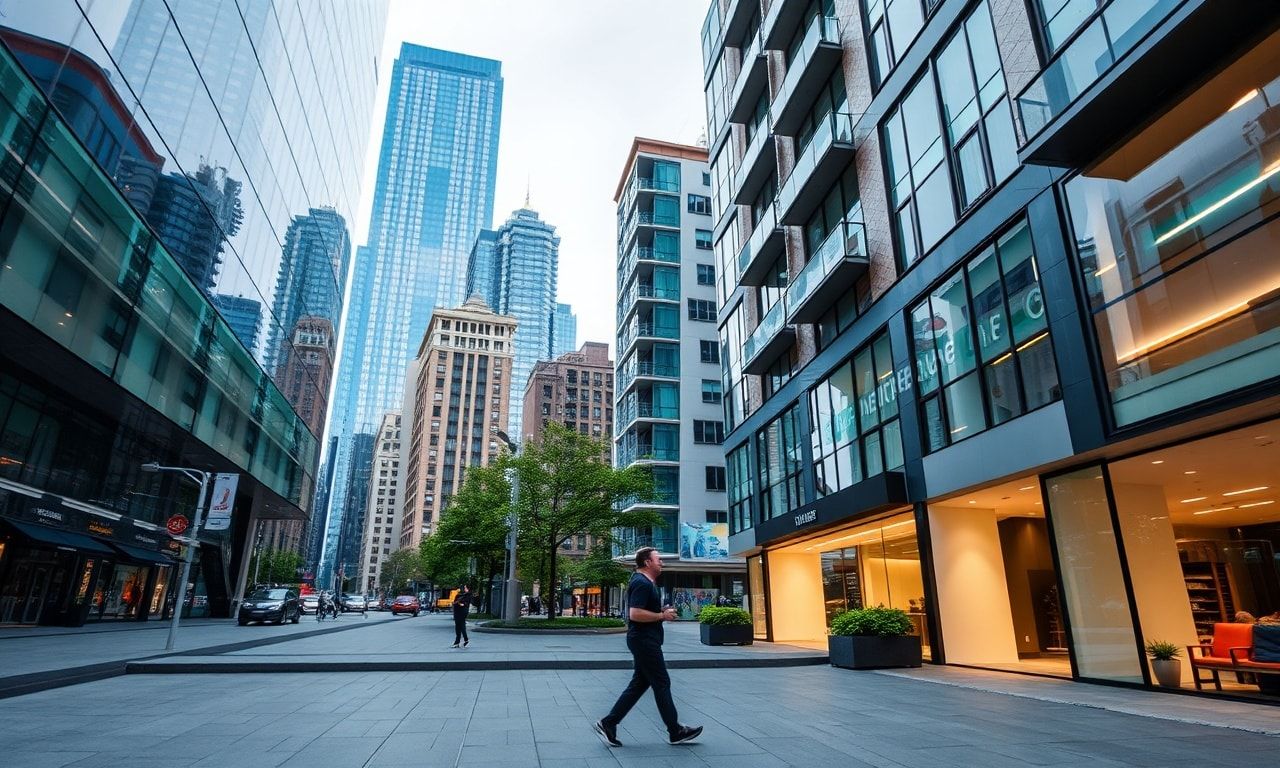
The Rise of Fashion-Inspired Urban Spaces
The real estate industry is witnessing an unexpected trend: the integration of fashion into urban development projects. This fusion is not just about aesthetics; it’s a strategic move to attract younger demographics and create vibrant, community-centric spaces. Developers are collaborating with fashion brands to design buildings, public spaces, and even entire districts that reflect the latest trends in style and functionality.
This trend is particularly evident in major cities like New York, London, and Tokyo, where fashion is a significant cultural export. The idea is to create environments that resonate with the local population and attract tourists. For instance, the transformation of old industrial areas into trendy fashion districts has become a common practice. These areas often feature pop-up shops, art installations, and co-working spaces that cater to the creative class.
The Role of Fashion in Urban Revitalization
Fashion has become a key player in urban revitalization efforts. By incorporating elements of fashion into urban planning, cities can breathe new life into neglected areas. This approach not only enhances the visual appeal of the city but also stimulates economic growth. Retailers, designers, and artists are drawn to these revitalized spaces, creating a dynamic ecosystem that benefits both residents and visitors.
For example, the High Line in New York City is a prime example of how fashion and urban development can intersect. This elevated park, built on a former freight rail line, has become a hub for fashion events, pop-up shops, and art installations. It attracts millions of visitors each year, contributing significantly to the local economy. The success of the High Line has inspired similar projects in other cities, demonstrating the power of fashion in urban revitalization.
The Impact on Real Estate Values
The integration of fashion into urban development has a direct impact on real estate values. Properties located in fashion-forward districts tend to command higher prices due to their desirability. This trend is particularly noticeable in areas that have undergone significant transformations, such as the transformation of the Meatpacking District in New York City.
Investors are increasingly recognizing the value of fashion-inspired urban spaces. They are willing to pay a premium for properties that offer a unique blend of style and functionality. This trend is not limited to residential properties; commercial real estate is also benefiting from the fashion boom. Retailers and businesses are eager to establish a presence in these trendy locations, driving up demand and property values.
The Future of Fashion-Inspired Urban Development
The future of fashion-inspired urban development looks promising. As cities continue to evolve, the integration of fashion into urban planning will become more prevalent. This trend is driven by the growing demand for unique, experiential spaces that cater to the needs of modern urban dwellers.
One of the key factors driving this trend is the rise of e-commerce and the need for physical retail spaces to offer something unique. Fashion brands are increasingly investing in experiential retail, creating stores that double as social hubs and cultural centers. This approach not only enhances the shopping experience but also contributes to the overall vibrancy of the urban landscape.
Moreover, the growing emphasis on sustainability is influencing the way fashion and urban development intersect. Eco-friendly materials, energy-efficient designs, and sustainable practices are becoming integral to the creation of fashion-inspired urban spaces. This trend is not only beneficial for the environment but also enhances the appeal of these spaces to a wider audience.
Budget Fashion Shopping Guide
For those looking to incorporate the latest fashion trends into their wardrobe without breaking the bank, there are numerous resources available. One such resource is the budget fashion shopping guide, which offers tips and tricks for finding affordable yet stylish clothing. This guide is particularly useful for those who want to stay on-trend without compromising on quality.
The guide provides insights into the best places to shop for budget-friendly fashion, including online retailers, thrift stores, and outlet malls. It also offers advice on how to mix and match pieces to create a cohesive and stylish wardrobe. By following these tips, fashion enthusiasts can enjoy the latest trends without overspending.
Conclusion
The intersection of fashion and real estate is a trend that is here to stay. As cities continue to evolve, the integration of fashion into urban development will play a crucial role in shaping the urban landscape. This trend not only enhances the visual appeal of cities but also stimulates economic growth and creates vibrant, community-centric spaces. For those looking to incorporate the latest fashion trends into their lives, resources like the budget fashion shopping guide offer valuable insights and tips.
As we look to the future, the fusion of fashion and urban development will continue to drive innovation and creativity in the real estate industry. By embracing this trend, cities can create environments that are not only aesthetically pleasing but also functional and sustainable. This approach will not only benefit residents and visitors but also contribute to the overall vitality of urban centers.
Innovations in fashion are shaping the industry’s future, as detailed in the latest developments in fashion.
As global events continue to shape our world, they also influence fashion trends in unexpected ways; explore this dynamic intersection in fashion’s response to global shifts.
In the realm of current trends and innovation, a new study delves into how education shapes fashion, offering a unique perspective on creativity and industry developments.