
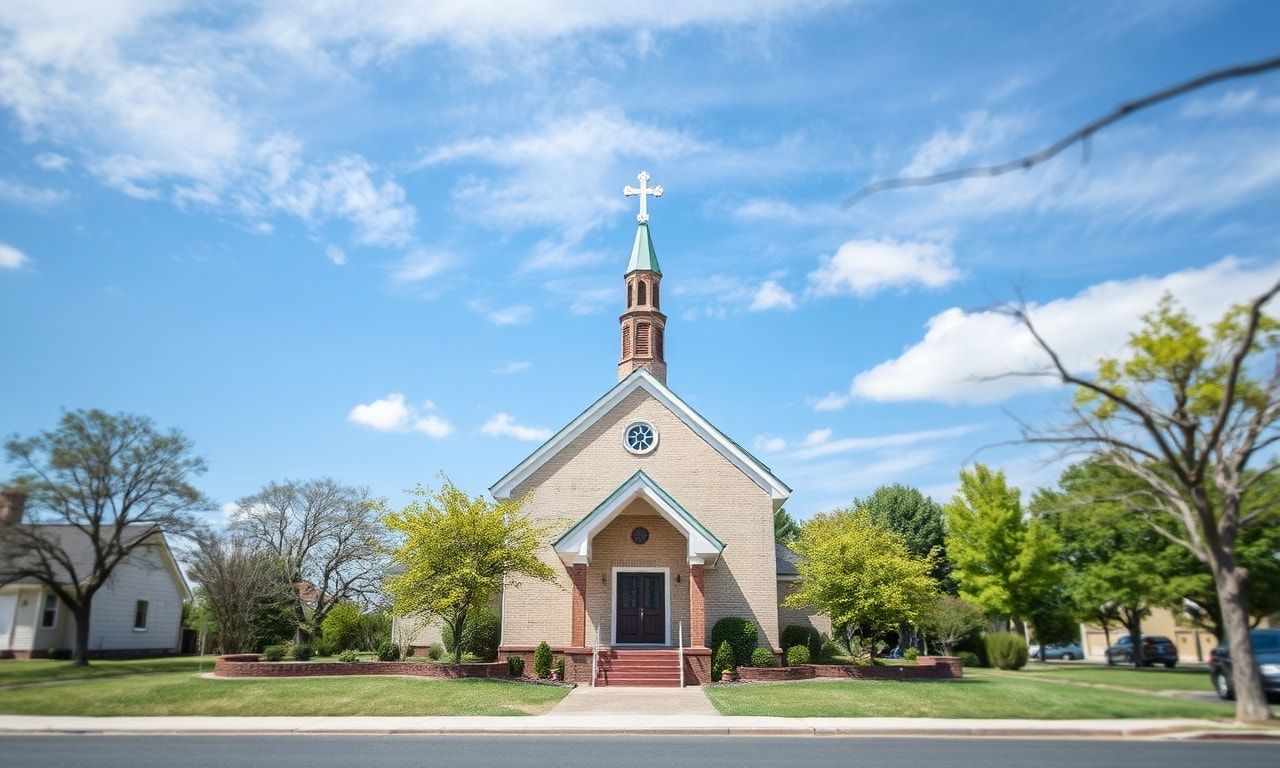
The Influence of Religious Sites on Property Markets
The relationship between religious sites and real estate has long been a topic of interest for property developers, investors, and urban planners. Recent studies and market trends suggest that the presence of religious sites can significantly influence property values and community dynamics. This article explores the multifaceted impact of religious sites on real estate markets, highlighting both the opportunities and challenges they present.
The Positive Impact on Property Values
Religious sites, such as churches, mosques, temples, and synagogues, often serve as community hubs that foster social cohesion and cultural identity. Properties located near these sites can benefit from increased foot traffic, enhanced security, and a sense of stability. For example, residential properties near well-established religious institutions may attract families seeking a community-oriented environment. Similarly, commercial properties can benefit from the steady influx of visitors, leading to higher demand and potentially higher rental yields.
Moreover, religious sites often contribute to the aesthetic and historical value of a neighborhood. Historic churches or mosques, for instance, can become tourist attractions, drawing visitors and boosting local economies. This can lead to increased property values and a more vibrant community. Additionally, the presence of religious sites can enhance the overall desirability of an area, making it more attractive to potential buyers and renters.
The Challenges and Considerations
While the presence of religious sites can bring numerous benefits, it also presents certain challenges. One of the primary concerns is the potential for noise and traffic congestion, particularly during religious events and holidays. This can impact the quality of life for residents and may deter some potential buyers or renters. Additionally, the zoning and land use regulations associated with religious sites can be complex, requiring careful navigation by property developers and investors.
Another consideration is the cultural and religious sensitivity involved in developing properties near religious sites. Developers must be mindful of the community’s values and traditions to avoid potential conflicts. Engaging with local religious leaders and community members can help ensure that development projects are respectful and aligned with the community’s needs and expectations.
The Role of Digital Resources in Understanding Religious Sites
In the digital age, resources like the Kur’an ayetler portal provide valuable insights into the religious practices and beliefs of different communities. These resources can help property developers and investors better understand the cultural context of a neighborhood, enabling them to make more informed decisions. By leveraging digital tools and resources, developers can gain a deeper appreciation of the community’s needs and preferences, leading to more successful and harmonious development projects.
Case Studies and Market Trends
Several case studies highlight the impact of religious sites on property values. For instance, a study conducted in a major European city found that properties located within a one-mile radius of a historic cathedral experienced a 15% increase in value over a five-year period. This trend was attributed to the cathedral’s role as a tourist attraction and community gathering place. Similarly, a study in an Asian metropolis revealed that residential properties near well-established mosques commanded higher rental yields due to the stability and community-oriented environment they provided.
Market trends also indicate that the demand for properties near religious sites is on the rise. As urbanization continues to drive population growth in cities, the need for community-oriented living spaces is becoming increasingly important. Religious sites, with their ability to foster social cohesion and cultural identity, are playing a crucial role in meeting this demand.
Future Outlook and Recommendations
As the real estate market continues to evolve, the intersection of faith and property will remain a critical area of focus. Developers and investors should prioritize community engagement and cultural sensitivity in their projects. By understanding the unique needs and preferences of religious communities, they can create developments that not only enhance property values but also contribute to the overall well-being of the community.
Moreover, leveraging digital resources and tools can provide valuable insights into the cultural context of a neighborhood, enabling developers to make more informed decisions. By embracing a holistic approach that considers both the economic and cultural aspects of religious sites, the real estate industry can unlock new opportunities for growth and development.
To understand the implications of the recent Turkish elections, our analysis examines the global impact in detail.
As societal shifts continue to reshape global dynamics, delve into religion’s evolving global influence to understand the intricate interplay between faith and contemporary issues.