
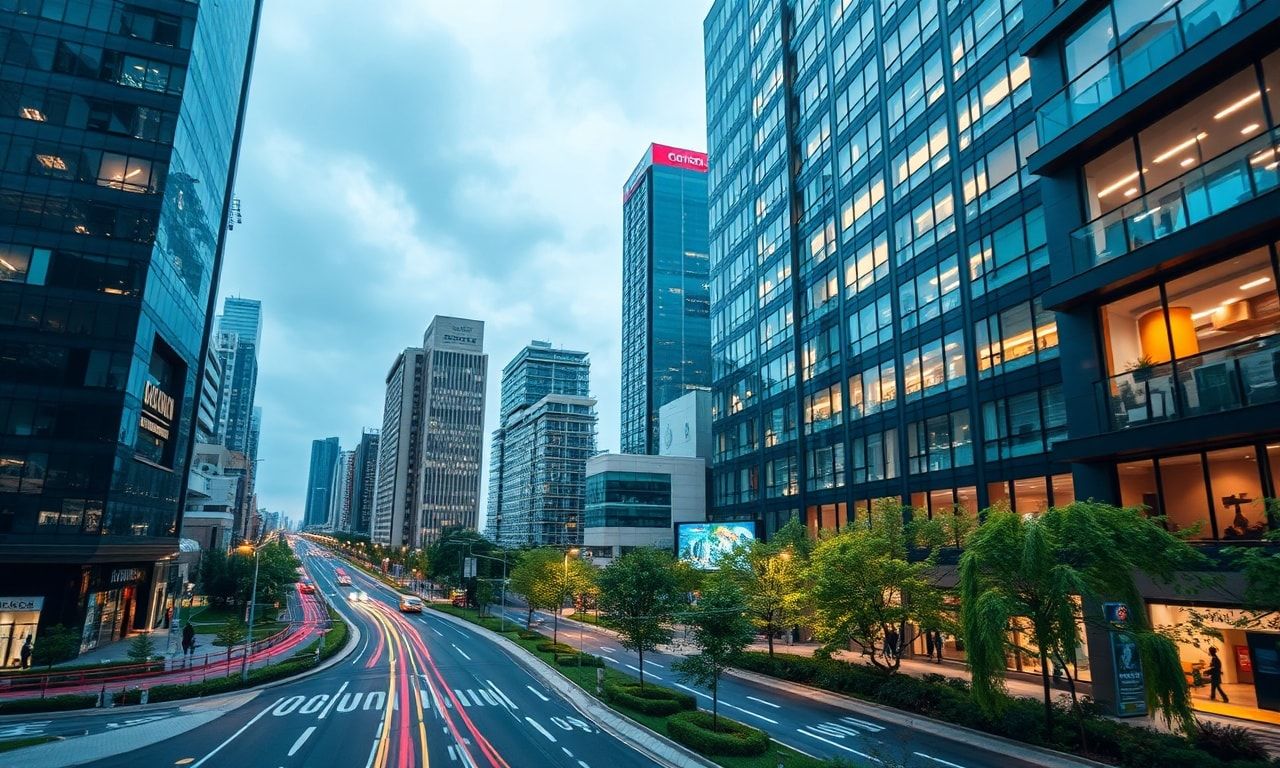
The Rapid Pace of Urbanization
Urbanization is a global phenomenon that is reshaping our world at an unprecedented pace. According to the United Nations, more than half of the world’s population now lives in urban areas, and this trend is expected to continue. By 2050, it is projected that 68% of the world’s population will be living in cities. This rapid urbanization has significant implications for property markets worldwide.
Cities are expanding both vertically and horizontally, with skylines dominated by towering skyscrapers and sprawling suburbs. This growth is driven by a multitude of factors, including economic opportunities, improved infrastructure, and the allure of urban lifestyles. However, the pace and scale of urbanization present both opportunities and challenges for property developers, investors, and policymakers.
The Property Market Boom
The demand for housing, commercial spaces, and infrastructure in urban areas has led to a boom in the property market. In many cities around the world, property prices have skyrocketed, driven by high demand and limited supply. This trend is particularly evident in global cities like London, New York, and Tokyo, where property prices have reached record highs.
Investors are flocking to urban property markets, attracted by the potential for high returns. Real estate investment trusts (REITs) and private equity firms are pouring billions of dollars into urban development projects. This influx of capital is fueling a construction boom, with new residential and commercial buildings springing up at a rapid pace.
However, this boom is not without its challenges. The rapid pace of development has led to concerns about sustainability, affordability, and the quality of urban living. As cities continue to grow, there is a pressing need for innovative solutions to address these challenges and ensure that urbanization benefits all residents.
The Role of Technology in Urban Development
Technology is playing a crucial role in shaping the future of urban development. From smart cities to green buildings, technological innovations are transforming the way we live and work in urban areas. Smart cities, for example, use advanced technologies like the Internet of Things (IoT) and artificial intelligence (AI) to improve the efficiency and sustainability of urban infrastructure.
Green buildings, which are designed to be energy-efficient and environmentally friendly, are becoming increasingly popular. These buildings use sustainable materials, renewable energy sources, and advanced technologies to reduce their environmental impact. The demand for green buildings is driven by both regulatory requirements and consumer preferences, as more people seek to live and work in sustainable and healthy environments.
In addition to smart cities and green buildings, technology is also transforming the way we buy, sell, and manage property. Online platforms like Zillow and Rightmove have revolutionized the property market, making it easier for buyers and sellers to connect. Virtual reality (VR) and augmented reality (AR) technologies are also being used to provide immersive property tours, allowing potential buyers to explore properties from the comfort of their own homes.
The Challenges of Urbanization
Despite the many benefits of urbanization, it also presents significant challenges. One of the most pressing challenges is the issue of affordability. As property prices continue to rise, many people are being priced out of the market. This is particularly true in cities like London and San Francisco, where the cost of living is extremely high.
The affordability crisis is exacerbated by the lack of affordable housing. In many cities, the supply of affordable housing is insufficient to meet the demand, leading to a growing homelessness crisis. This crisis is a complex issue that requires coordinated efforts from policymakers, developers, and community organizations.
Another challenge of urbanization is the impact on the environment. Rapid urbanization often leads to increased pollution, deforestation, and loss of biodiversity. As cities expand, they encroach on natural habitats, leading to the displacement of wildlife and the destruction of ecosystems. This has significant implications for the environment and the health and well-being of urban residents.
To address these challenges, there is a need for sustainable urban planning and development. This includes the development of green spaces, the promotion of public transportation, and the implementation of policies that encourage sustainable practices. By adopting a holistic approach to urban development, cities can mitigate the negative impacts of urbanization and create more sustainable and livable communities.
The Future of Urbanization
The future of urbanization is uncertain, but one thing is clear: cities will continue to play a central role in the global economy and society. As urbanization continues to reshape our world, there is a need for innovative solutions to address the challenges and opportunities that it presents.
One of the key trends shaping the future of urbanization is the concept of the 15-minute city. This concept, popularized by Paris Mayor Anne Hidalgo, envisions a city where residents can access all their daily needs within a 15-minute walk or bike ride. This includes access to housing, employment, education, healthcare, and recreational facilities. The 15-minute city aims to create more sustainable, equitable, and livable urban environments.
Another trend shaping the future of urbanization is the rise of remote work. The COVID-19 pandemic has accelerated the shift towards remote work, with many companies adopting hybrid or fully remote work models. This trend has significant implications for urbanization, as it reduces the need for daily commuting and allows people to live in more affordable and less crowded areas.
As cities continue to evolve, there is a need for ongoing research and innovation to address the challenges of urbanization. This includes research into sustainable urban planning, the development of new technologies, and the implementation of policies that promote equitable and inclusive growth. By working together, cities can create a more sustainable and prosperous future for all residents.
For those looking to invest in urban property markets, it is essential to stay informed about the latest trends and developments. Websites like Perth restaurants best rated review provide valuable insights into local property markets and can help investors make informed decisions.
Conclusion
Urbanization is a complex and multifaceted phenomenon that is reshaping our world in profound ways. While it presents significant challenges, it also offers immense opportunities for innovation, growth, and sustainable development. By adopting a holistic approach to urban planning and development, cities can create more sustainable, equitable, and livable communities that benefit all residents.
As we look to the future, it is essential to remain informed and engaged with the latest trends and developments in urbanization. By working together, we can create a more sustainable and prosperous future for all.
Stay informed about the latest advancements in science with our comprehensive overview of recent scientific breakthroughs shaping our world.
In light of recent economic shifts, understanding personal finance strategies is more crucial than ever; consider exploring practical financial management tips to navigate these changes effectively.
To stay informed about the latest shifts in Germany’s capital, consider exploring Berlin’s evolving landscape and challenges in our recent feature.