
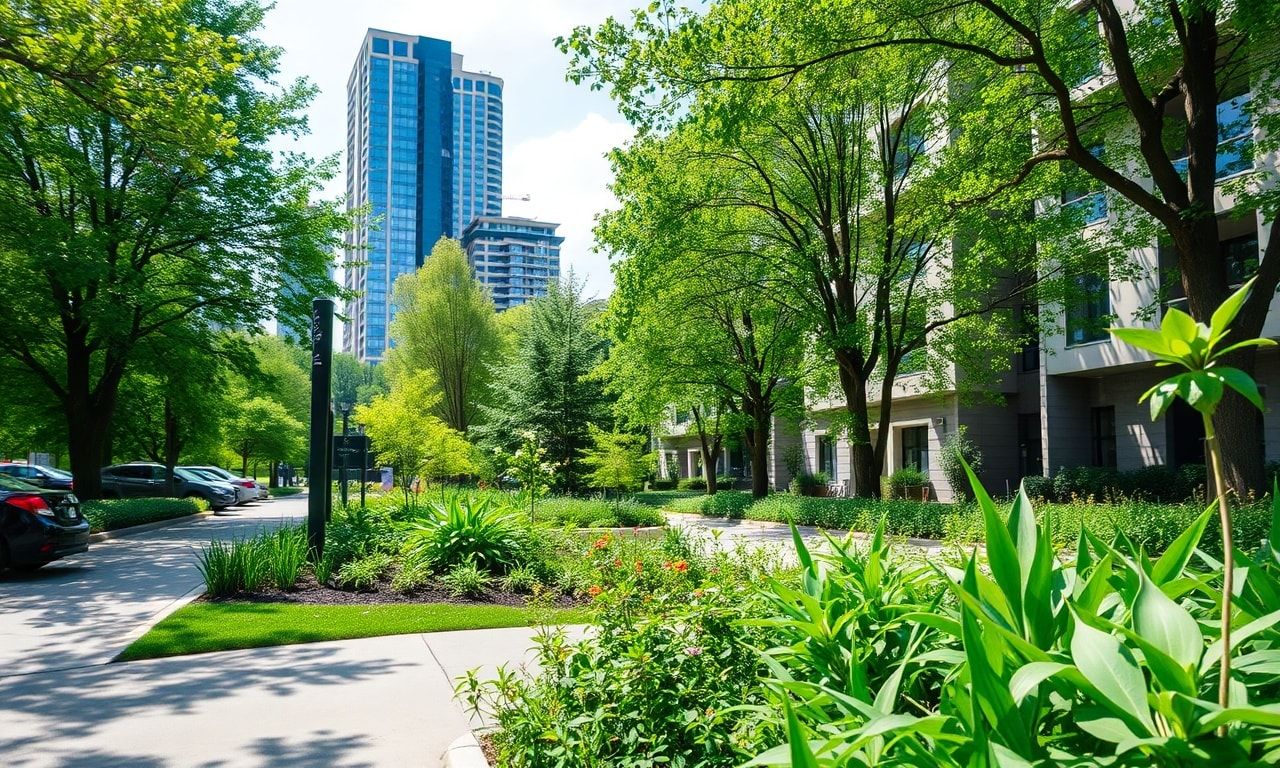
The Rising Importance of Urban Green Spaces
In an era where urbanization is rapidly expanding, the importance of green spaces within cities cannot be overstated. These areas, which include parks, community gardens, and recreational facilities, play a crucial role in enhancing the quality of life for residents. Recent studies have shown that the presence of urban green spaces can significantly impact property values and contribute to the overall well-being of communities. As cities continue to grow, the demand for these green oases is on the rise, prompting developers and urban planners to prioritize their inclusion in new projects.
Economic Benefits: Boosting Property Values
One of the most notable impacts of urban green spaces is their ability to boost property values. Homes and commercial properties located near parks and recreational areas often command higher prices. This is due to the perceived increase in quality of life and the aesthetic appeal that green spaces bring to a neighborhood. According to real estate experts, properties within a short walking distance to parks can see a value increase of up to 20%. This trend is not only beneficial for homeowners but also for investors looking to maximize their returns. The presence of green spaces can also attract more businesses to the area, further stimulating economic growth.
For instance, cities like Vancouver and Singapore have successfully integrated green spaces into their urban landscapes, resulting in higher property values and a thriving local economy. These examples serve as a testament to the economic benefits that come with investing in urban green spaces. Additionally, the Pakistan parks recreation activities have shown that well-maintained parks can become community hubs, fostering social interactions and promoting healthier lifestyles.
Health and Well-being: The Human Factor
The benefits of urban green spaces extend beyond economic gains. Numerous studies have highlighted the positive impact of these areas on mental and physical health. Access to parks and recreational facilities encourages residents to engage in physical activities, such as walking, jogging, and cycling, which can lead to a reduction in obesity rates and improved cardiovascular health. Moreover, green spaces provide a serene environment for relaxation and stress relief, contributing to better mental health outcomes. Children, in particular, benefit from having access to safe and engaging play areas, which are essential for their physical and cognitive development.
Environmental Benefits: A Greener Future
Urban green spaces also play a vital role in environmental sustainability. Trees and plants help to absorb carbon dioxide and other pollutants, improving air quality and mitigating the effects of climate change. Green spaces can also reduce the urban heat island effect, where cities become significantly warmer than their surrounding rural areas due to the concentration of buildings and pavement. By incorporating more green spaces into urban planning, cities can create a more sustainable and resilient environment for future generations.
Challenges and Solutions
Despite the numerous benefits, the development and maintenance of urban green spaces come with their own set of challenges. Limited land availability, budget constraints, and competing priorities often hinder the creation of new parks and recreational facilities. However, innovative solutions such as vertical gardens, rooftop parks, and community-led initiatives can help overcome these obstacles. Governments and private developers must collaborate to ensure that green spaces are integrated into urban planning from the outset. Additionally, public awareness campaigns can encourage community involvement in the maintenance and upkeep of these spaces, ensuring their long-term sustainability.
Case Studies: Success Stories from Around the World
Several cities around the world have set excellent examples of how to effectively integrate green spaces into urban environments. For instance, Copenhagen’s extensive network of parks and greenways has made it one of the most livable cities in the world. Similarly, Melbourne’s Royal Botanic Gardens and numerous community parks contribute to the city’s high quality of life. These success stories demonstrate that with proper planning and investment, urban green spaces can become a cornerstone of community well-being and economic prosperity.
In conclusion, the importance of urban green spaces cannot be overlooked. They offer a multitude of benefits, from boosting property values to enhancing the health and well-being of residents. As cities continue to grow, it is crucial to prioritize the development and maintenance of these green oases. By doing so, we can create more sustainable, livable, and economically vibrant urban environments for future generations.
Delve into the fascinating world of sports and culture with our latest feature, global sports meet local culture, offering a unique perspective on current events.
To gain a deeper understanding of the latest international trends, consider exploring recent global developments and their potential impacts.
In the realm of international sports, Shanghai’s growing influence is a story that continues to captivate audiences and industry experts alike.