
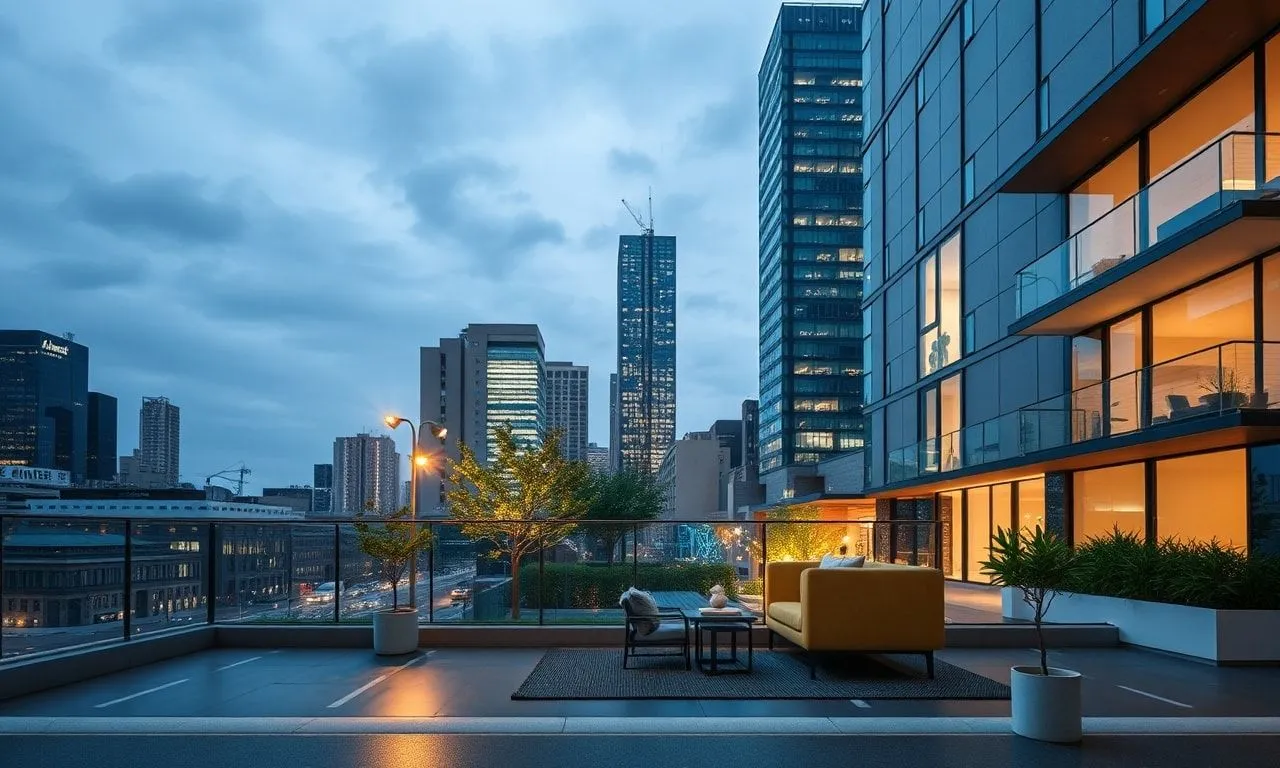
The Rise of Remote Work and Its Effects on Cities
The COVID-19 pandemic has brought about significant changes in the way we work, with remote work becoming the new norm for many industries. This shift has had a profound impact on urban real estate markets, as people reevaluate their living situations and priorities. As companies continue to embrace flexible work arrangements, the demand for urban housing is evolving, presenting both challenges and opportunities for real estate professionals and city planners.
Decline in Urban Housing Demand
One of the most notable effects of remote work on urban real estate markets is the decline in demand for housing in city centers. With many employees working from home, the need for proximity to offices has diminished, leading to a decrease in demand for apartments and condos in high-rise buildings. This trend has been particularly evident in major cities like New York, San Francisco, and London, where housing prices have historically been driven by the need for convenient commutes.
As a result, landlords and property developers are facing challenges in filling vacancies and maintaining rental income. Some have responded by offering incentives such as discounted rent or waived fees to attract tenants. However, the long-term implications of this shift remain uncertain, and the real estate market is likely to continue evolving as remote work becomes more entrenched in the corporate world.
The Rise of Suburban and Rural Living
With the flexibility to work from anywhere, many urban dwellers are choosing to relocate to suburban or rural areas in search of more space, affordability, and a higher quality of life. This exodus from cities has led to an increase in demand for single-family homes in these areas, driving up property prices and fueling a construction boom.
In addition to the desire for more living space, the appeal of suburban and rural living is further enhanced by the availability of high-speed internet and the growing acceptance of remote work. As a result, many people are finding that they can enjoy the benefits of both urban and rural living, without having to sacrifice their careers or social connections.
Commercial Real Estate Challenges
The shift to remote work has also had a significant impact on the commercial real estate market, particularly in the office sector. With many companies downsizing their office spaces or adopting hybrid work models, the demand for traditional office space has declined, leading to increased vacancies and lower rental rates.
In response to these challenges, property developers and investors are exploring new ways to repurpose office buildings and adapt to the changing needs of tenants. Some are converting office spaces into mixed-use developments that combine residential, commercial, and retail components. Others are focusing on creating flexible workspaces that cater to the needs of remote workers and small businesses.
Investing in the Future of Urban Real Estate
As the real estate market continues to evolve in response to the rise of remote work, investors and developers must stay informed about emerging trends and opportunities. One way to stay ahead of the curve is by consulting resources like the product reviews recommendation guide, which provides valuable insights into the latest innovations and best practices in the real estate industry.
In addition to staying informed, investors and developers should consider diversifying their portfolios to include a mix of urban, suburban, and rural properties. This approach can help mitigate the risks associated with any single market and position investors for long-term success in the ever-changing real estate landscape.
Conclusion
The impact of remote work on urban real estate markets is undeniable, and the long-term implications of this shift remain to be seen. However, by staying informed, adapting to changing trends, and exploring new opportunities, real estate professionals and investors can navigate this evolving landscape and position themselves for success in the years to come.
Staying informed about the latest developments in the sports world is crucial for fans and journalists alike, making sports trends and tips a must-read.
Amidst the hustle of daily news cycles, taking time for oneself is crucial; consider exploring practices for a fulfilling life to maintain balance and well-being.
As technology continues to reshape various industries, a fascinating evolution is occurring in fashion; explore this transformation in tech’s impact on style trends.