
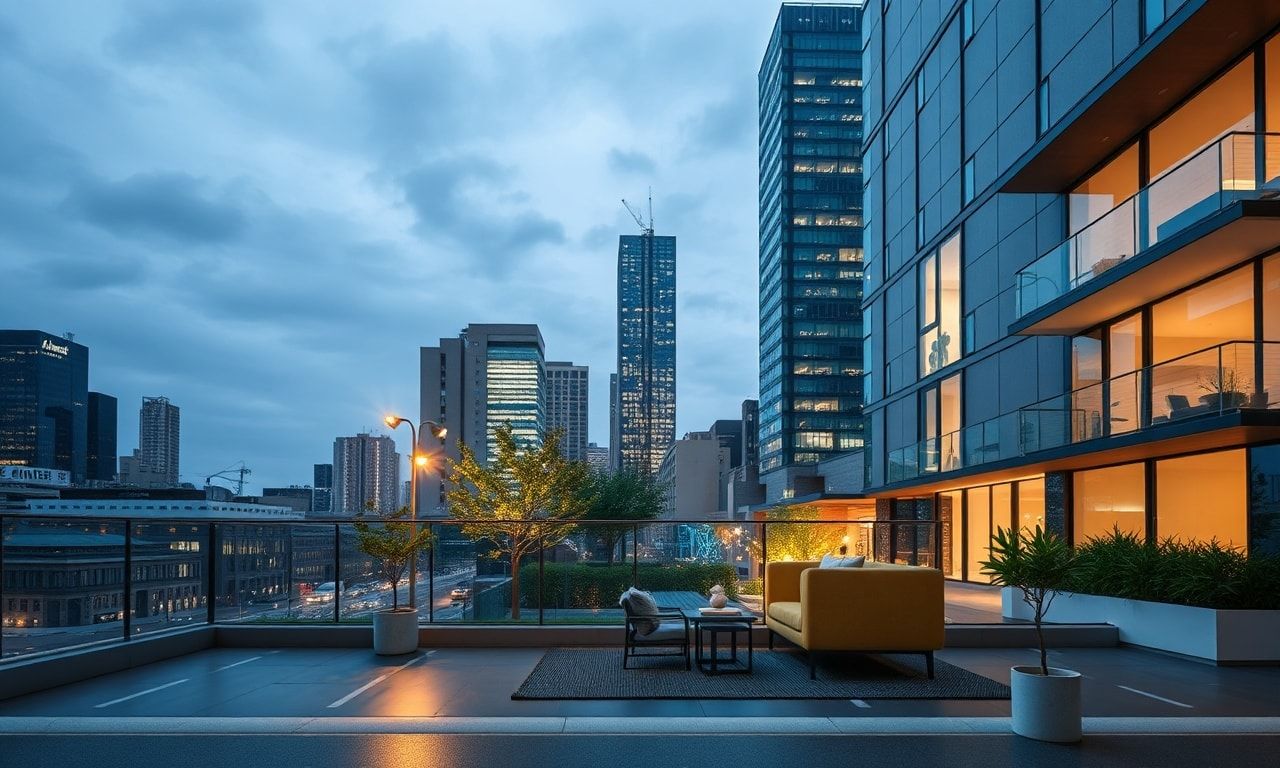
The Rise of Remote Work and Its Effects on Cities
The global shift towards remote work, accelerated by the COVID-19 pandemic, has significantly altered urban landscapes and real estate markets. As companies adopt flexible work policies, employees are reevaluating their living arrangements, leading to notable changes in property demand and urban dynamics.
Decline in Urban Property Demand
Major cities that once attracted professionals seeking proximity to offices are now experiencing a decline in property demand. High-rise apartments and downtown condos, which were previously in high demand, are seeing slower sales and increased vacancy rates. This trend is particularly evident in financial hubs like New York, London, and San Francisco, where the cost of living has long been a driving factor for remote workers to seek more affordable alternatives.
According to recent reports, the exodus from urban centers has been driven by a desire for more space, lower living costs, and a better quality of life. Suburban areas and smaller cities are benefiting from this shift, as remote workers prioritize larger homes, outdoor spaces, and community amenities over the convenience of a short commute.
Suburban and Rural Areas See a Boom
Suburban and rural areas are experiencing a surge in property demand as remote workers relocate in search of more affordable housing and a higher quality of life. Smaller towns and suburban neighborhoods are seeing increased interest from buyers who can now work from anywhere. This trend has led to a rise in home prices and rental rates in these areas, as demand outstrips supply.
In addition to affordable housing, remote workers are drawn to suburban and rural areas for their access to nature, outdoor activities, and a sense of community. The ability to work from home has made these locations more appealing, as professionals no longer need to be tied to a specific city for their jobs.
The Role of Technology in Facilitating Remote Work
Advancements in technology have played a crucial role in enabling the shift to remote work. Video conferencing tools, cloud-based software, and collaborative platforms have made it possible for employees to work effectively from anywhere. This technological infrastructure has not only supported the remote work trend but has also contributed to the changing dynamics of urban and suburban real estate markets.
As remote work continues to gain traction, the demand for high-speed internet and reliable technology infrastructure in suburban and rural areas is expected to grow. This presents an opportunity for local governments and private investors to invest in these areas, further supporting the growth of these communities.
Challenges and Considerations
While the shift to remote work offers numerous benefits, it also presents challenges for urban real estate markets. Cities that rely heavily on commercial real estate, such as office buildings and retail spaces, are facing increased vacancies and declining property values. This trend has raised concerns about the long-term viability of urban centers and the potential for economic decline in these areas.
Additionally, the impact of remote work on urban real estate markets is not uniform across all cities. Some urban centers, particularly those with strong cultural, educational, and entertainment offerings, continue to attract residents despite the rise of remote work. These cities may be better positioned to weather the changes brought about by the shift to remote work.
Adapting to the New Normal
As the real estate market continues to evolve in response to the rise of remote work, cities and property developers must adapt to the changing needs of residents. This may involve reimagining urban spaces to accommodate a more flexible and mobile workforce, as well as investing in infrastructure and amenities that cater to the preferences of remote workers.
For those looking to make the most of their newfound flexibility, exploring easy cooking recipes for quick dinners can be a great way to save time and enjoy home-cooked meals. With a little creativity and the right resources, remote workers can create a comfortable and productive home environment that supports their work-life balance.
In conclusion, the impact of remote work on urban real estate markets is a complex and multifaceted issue. While the shift to remote work presents challenges for urban centers, it also offers opportunities for suburban and rural areas to grow and thrive. As the real estate market continues to evolve, cities and property developers must adapt to the changing needs of residents to create vibrant and sustainable communities.