
The Twice-Yearly Ritual and Its Effects
Daylight Saving Time (DST), the practice of setting the clock forward by one hour in the spring and back by one hour in the autumn, is a topic that sparks debate every year. While the primary goal of DST is to make better use of daylight, its impact on various sectors, including the property market, is often overlooked. As we approach the next change, it’s essential to understand how DST can influence property values, demand, and even the way we interact with our living spaces.
Property Values and the Perception of Light
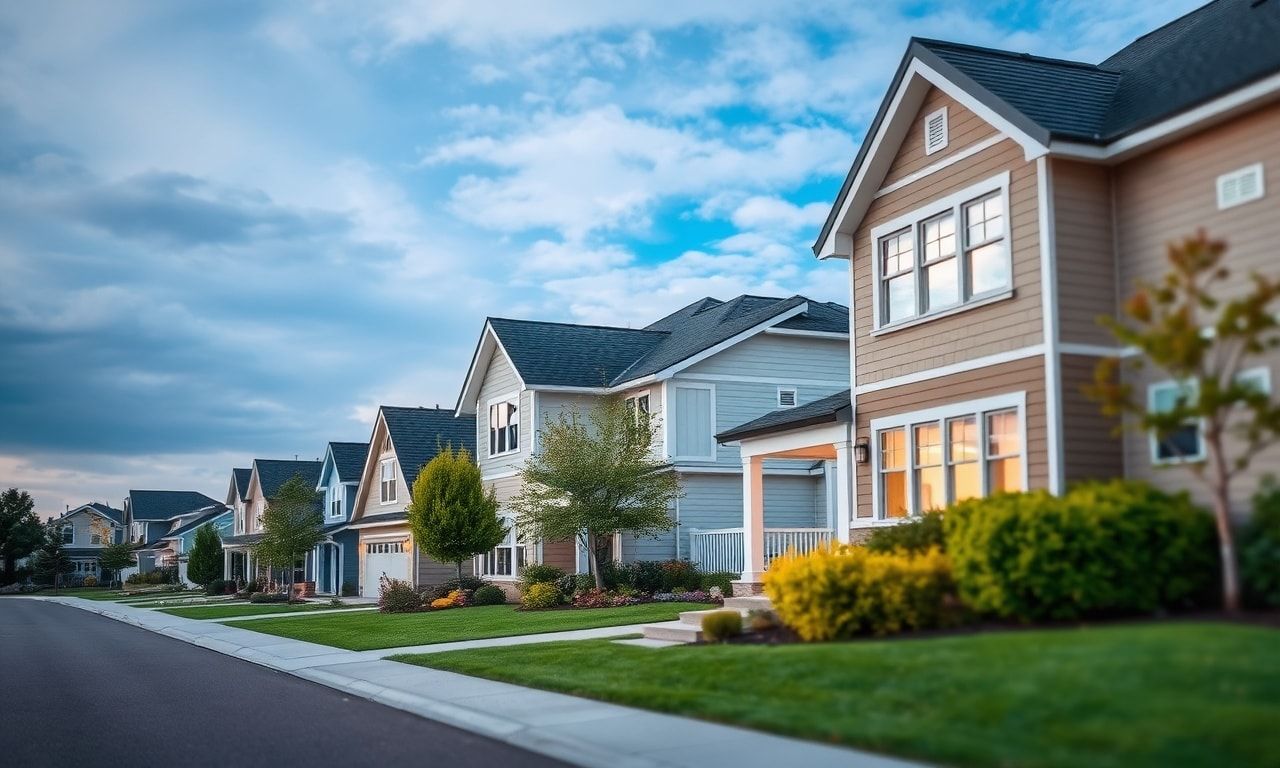
One of the most significant ways DST affects the property market is through the perception of light. Homes with ample natural light are often more desirable and can command higher prices. During the longer days of DST, properties that make the most of natural light can stand out, potentially increasing their value. Conversely, properties that remain dark for extended periods, even during the day, may see a decrease in desirability. This is particularly relevant for properties in urban areas with tall buildings that can obstruct sunlight.
Moreover, the sunset time can influence how potential buyers or renters perceive a property. For instance, a property that enjoys late afternoon sun may be seen as more appealing than one that doesn’t. This can be a crucial factor for those who enjoy outdoor activities or have a strong preference for natural light.
The Role of Outdoor Spaces
DST also highlights the importance of outdoor spaces. With more daylight in the evenings, properties with gardens, patios, or balconies can become more attractive. This is particularly true for families with children who can now enjoy outdoor activities for longer periods. Additionally, properties with access to parks or recreational areas may see an increase in demand during DST.
Energy Efficiency and Property Appeal
DST can also influence the appeal of energy-efficient properties. With longer days, the demand for properties with features such as solar panels or energy-efficient windows may increase. These features can help homeowners make the most of natural light and reduce energy consumption, making them more attractive to eco-conscious buyers.
Furthermore, properties with good insulation and heating systems may also see an increase in demand. As the days get shorter and colder, the ability to keep a home warm and comfortable becomes a priority for many. This can be particularly relevant for properties in colder climates where the transition to DST can be more pronounced.
The Impact on Rental Markets
The rental market is not immune to the effects of DST. Landlords may find that properties with features that make the most of natural light or outdoor spaces command higher rents. Additionally, the demand for short-term rentals, such as vacation homes or Airbnbs, may also be influenced by DST. Properties in popular tourist destinations may see an increase in demand during the longer days of summer, while those in ski resorts may see a boost during the shorter days of winter.
The Role of Location
The impact of DST on the property market can also vary depending on location. In northern cities where the variation in daylight is more pronounced, the effects of DST may be more significant. Conversely, in cities closer to the equator where the variation in daylight is less pronounced, the impact may be less noticeable.
Furthermore, the impact of DST on the property market can also be influenced by local regulations and cultural practices. For instance, in some countries, DST is not observed, which can affect the demand for properties from international buyers or renters who are used to DST.
Conclusion: Navigating the DST Effect
As we approach the next change in DST, it’s essential for property owners, buyers, and renters to understand its potential impact on the market. While the effects of DST may vary depending on location and property type, the influence of natural light and outdoor spaces is undeniable. By making the most of these factors, property owners can enhance the appeal of their properties and potentially increase their value.
For buyers and renters, understanding the impact of DST can help them make more informed decisions. By considering factors such as natural light, outdoor spaces, and energy efficiency, they can find properties that meet their needs and preferences, regardless of the time of year.