
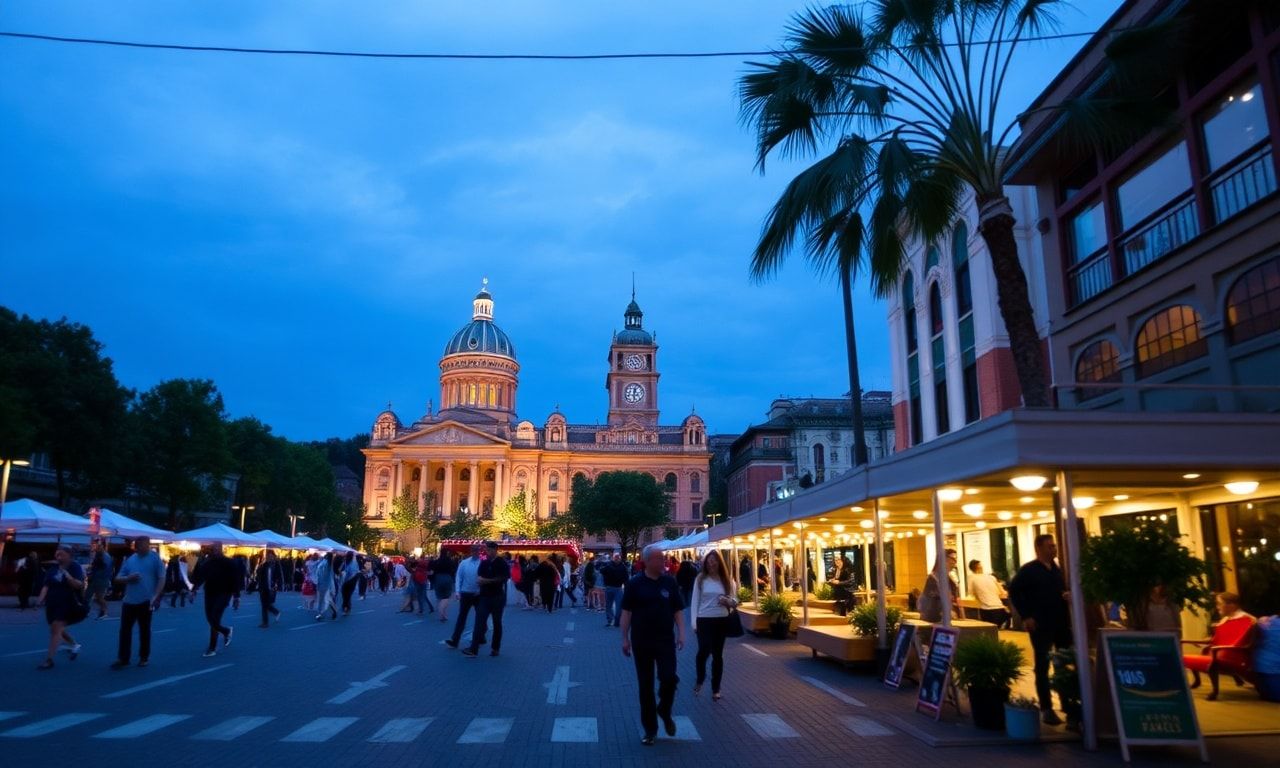
The Intersection of Culture and Real Estate
The real estate market is influenced by a multitude of factors, from economic indicators to demographic shifts. However, one often overlooked aspect is the impact of cultural events on property values and market dynamics. Cultural events can attract tourists, boost local economies, and enhance the desirability of neighborhoods, thereby influencing real estate trends.
Tourism and Property Demand
Cultural events, such as festivals, concerts, and art exhibitions, draw visitors from far and wide. These events can lead to a temporary surge in demand for short-term rentals and hotel accommodations. In cities like Mexico City, where cultural events are a staple, the demand for vacation rentals often spikes during major festivals. For instance, during the Day of the Dead celebrations, tourists flock to the city, leading to a temporary boost in the local real estate market. To stay updated on such events, locals and tourists alike can refer to resources like Mexico eventos fin semana calendario.
The Long-Term Effects on Property Values
The long-term impact of cultural events on property values can be significant. Neighborhoods that host frequent cultural events often become more desirable places to live. This increased desirability can lead to higher property values and rental prices. For example, areas known for their vibrant arts scenes or historic significance often see a steady appreciation in property values. This trend is not limited to major cities; even smaller towns can experience a boost in real estate values if they become known for hosting popular cultural events.
Case Study: The Role of Festivals
Festivals, in particular, can have a profound impact on local real estate markets. Take, for instance, the Rio de Janeiro Carnival, which attracts millions of visitors each year. The influx of tourists not only boosts the local economy but also increases demand for housing in the surrounding areas. Property developers often capitalize on this demand by constructing new residential and commercial properties. Similarly, the Edinburgh Festival Fringe in Scotland has led to a surge in property investments in the city, as both locals and tourists seek to be close to the action.
Economic Benefits and Community Development
Cultural events can also lead to economic benefits that indirectly support the real estate market. These events often result in increased spending on local businesses, which can lead to job creation and economic growth. A thriving local economy can make an area more attractive to potential homebuyers and investors. Additionally, cultural events can foster a sense of community, making neighborhoods more cohesive and desirable places to live. This sense of community can be a significant factor in the decision-making process for potential homebuyers.
Investment Opportunities
For real estate investors, cultural events present unique opportunities. Investing in properties located near popular cultural event venues can yield high returns, especially if the area is poised for future development. Investors should keep an eye on upcoming cultural events and their potential impact on the local real estate market. By staying informed and strategic, investors can capitalize on the growing demand for properties in areas that benefit from cultural events.
Challenges and Considerations
While cultural events can have a positive impact on the real estate market, there are also challenges to consider. For instance, the influx of tourists during major events can lead to increased traffic, noise, and strain on local infrastructure. These factors can sometimes deter potential homebuyers who prefer a quieter living environment. Additionally, the temporary nature of cultural events means that the boost in property values may not be sustained throughout the year. It is essential for real estate professionals to weigh these factors carefully when advising clients on property investments.
Balancing Act
Finding the right balance between leveraging the benefits of cultural events and mitigating their potential drawbacks is crucial. Local governments and urban planners play a vital role in ensuring that cultural events enhance the quality of life for residents while also supporting economic growth. By implementing effective urban planning strategies, cities can maximize the positive impact of cultural events on the real estate market while minimizing any negative consequences.
Conclusion
The impact of cultural events on local real estate markets is multifaceted and complex. While these events can lead to increased property values, rental demand, and economic benefits, they also present challenges that need to be carefully managed. For real estate professionals, staying informed about upcoming cultural events and their potential impact on the market is essential. By understanding the dynamics at play, investors and homebuyers can make well-informed decisions that align with their long-term goals. As cultural events continue to shape the real estate landscape, their influence will undoubtedly remain a critical factor in the years to come.