
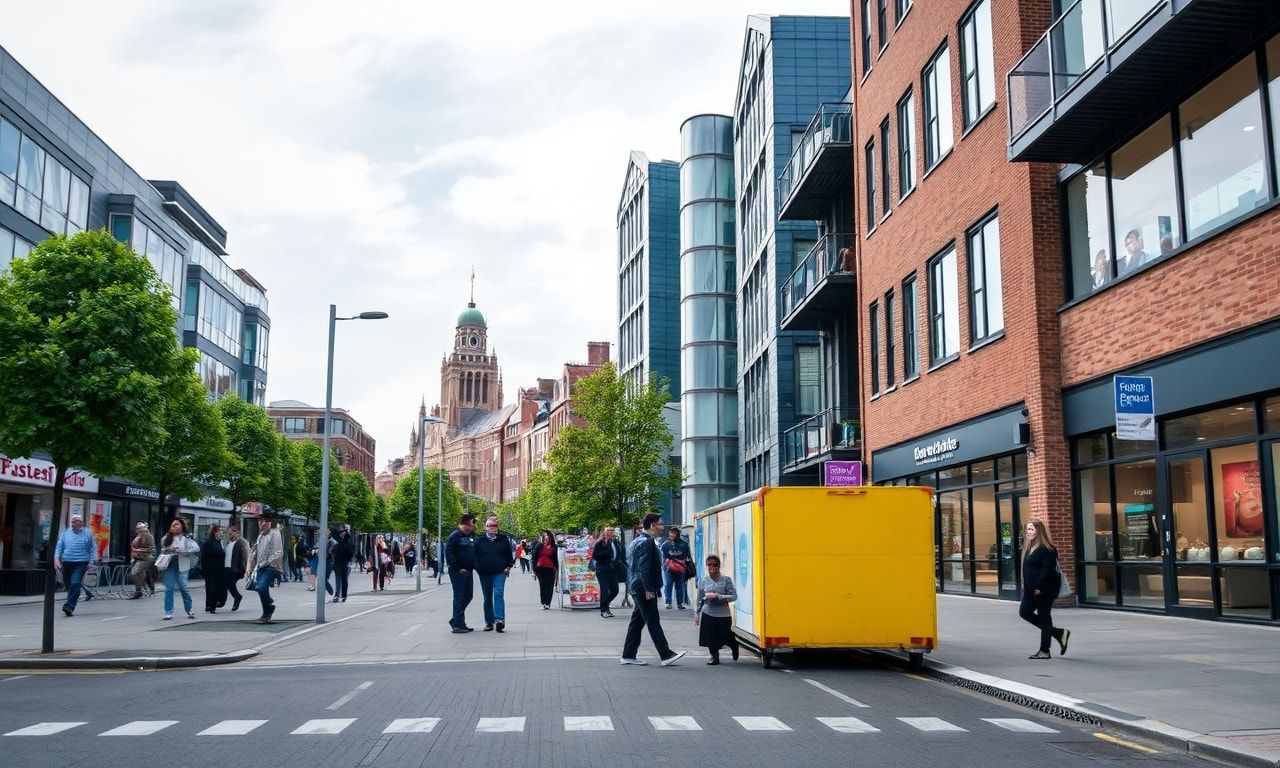
The Role of Community in Shaping Cities
In the rapidly evolving landscape of urban development, the role of community engagement has become increasingly pivotal. Cities around the world are recognizing the importance of involving local residents in planning and decision-making processes. This shift towards inclusive urban development is not only democratizing the planning process but also ensuring that the unique needs and aspirations of communities are met. Manchester, a vibrant city in the northwest of England, stands as a prime example of how community involvement can drive sustainable and inclusive urban growth.
Manchester’s Journey Towards Community-Centric Development
Manchester has undergone a remarkable transformation over the past few decades. From its industrial roots to its current status as a cultural and economic hub, the city has consistently sought to integrate community feedback into its development plans. This approach has led to the creation of public spaces, cultural centers, and infrastructure projects that truly reflect the needs of the people. The city’s commitment to community engagement is evident in its numerous initiatives aimed at fostering local participation and collaboration.
Initiatives and Projects
One of the key initiatives that highlight Manchester’s dedication to community engagement is the ‘Manchester Locality Plan.’ This plan involves extensive consultation with local residents, businesses, and community groups to identify priorities and develop strategies for urban improvement. Additionally, the city has launched various projects focused on revitalizing public spaces, such as the Northern Quarter and the Castlefield Viaduct. These projects not only enhance the aesthetic appeal of the city but also provide spaces for community events local activities, fostering a sense of belonging and pride among residents.
Case Study: The Castlefield Viaduct
The Castlefield Viaduct project is a testament to the power of community engagement in urban development. Originally a disused railway viaduct, the structure was transformed into a green public space through a collaborative effort involving local residents, urban planners, and environmentalists. The project included the creation of gardens, walking paths, and recreational areas, all designed with input from the community. The result is a space that serves as a hub for community events local activities, promoting social interaction and environmental sustainability.
The Benefits of Community Engagement
Engaging the community in urban development offers numerous benefits. Firstly, it ensures that development projects are aligned with the actual needs and preferences of the residents. This alignment reduces the likelihood of projects being abandoned or underutilized. Secondly, community engagement fosters a sense of ownership and pride among residents, leading to increased participation in local activities and a stronger sense of community. Lastly, it promotes transparency and accountability in the planning process, building trust between local authorities and the public.
Economic and Social Impacts
The economic benefits of community engagement are also significant. Projects that are developed with community input are more likely to attract investment and generate economic activity. For instance, the Northern Quarter in Manchester has become a thriving cultural and economic hub, thanks to its vibrant mix of independent shops, cafes, and cultural spaces. The social impacts are equally profound, as community engagement helps to bridge social divides and promote inclusivity. By involving diverse groups in the planning process, cities can create spaces that cater to the needs of all residents, regardless of their background or socioeconomic status.
Challenges and Solutions
While the benefits of community engagement are clear, the process is not without its challenges. One of the main challenges is ensuring that the voices of all community members are heard and represented. This requires careful planning and the use of inclusive consultation methods. Another challenge is balancing the needs and preferences of different groups, which can sometimes be conflicting. To address these challenges, cities like Manchester have adopted a multi-stakeholder approach, involving a diverse range of community representatives in the planning process. Additionally, the use of digital tools and platforms has facilitated broader participation, allowing residents to provide feedback and engage in discussions online.
Best Practices for Community Engagement
To maximize the effectiveness of community engagement, cities can adopt several best practices. These include:
- Early and Continuous Involvement: Involving the community from the early stages of planning and maintaining continuous engagement throughout the project lifecycle.
- Diverse Representation: Ensuring that consultation processes include a diverse range of community members, representing different ages, backgrounds, and interests.
- Transparent Communication: Providing clear and transparent information about the planning process and the decisions being made.
- Feedback Mechanisms: Implementing robust feedback mechanisms to gather and incorporate community input effectively.
Conclusion
The case of Manchester demonstrates the transformative power of community engagement in urban development. By involving residents in the planning process, cities can create spaces that are not only functional and aesthetically pleasing but also inclusive and sustainable. The benefits of community engagement extend beyond the physical environment, fostering social cohesion, economic growth, and a stronger sense of community. As cities around the world grapple with the challenges of urbanization, the lessons from Manchester offer valuable insights into the importance of community-centric development.
In today’s interconnected world, understanding the impact of different languages in daily life is crucial; explore this phenomenon in languages shaping everyday routines.
To gain a deeper understanding of the evolving landscape of crime, consider exploring modern crime patterns and trends in our latest in-depth analysis.
To gain a deeper understanding of today’s international dynamics, consider exploring modern geopolitical challenges and their global implications.