
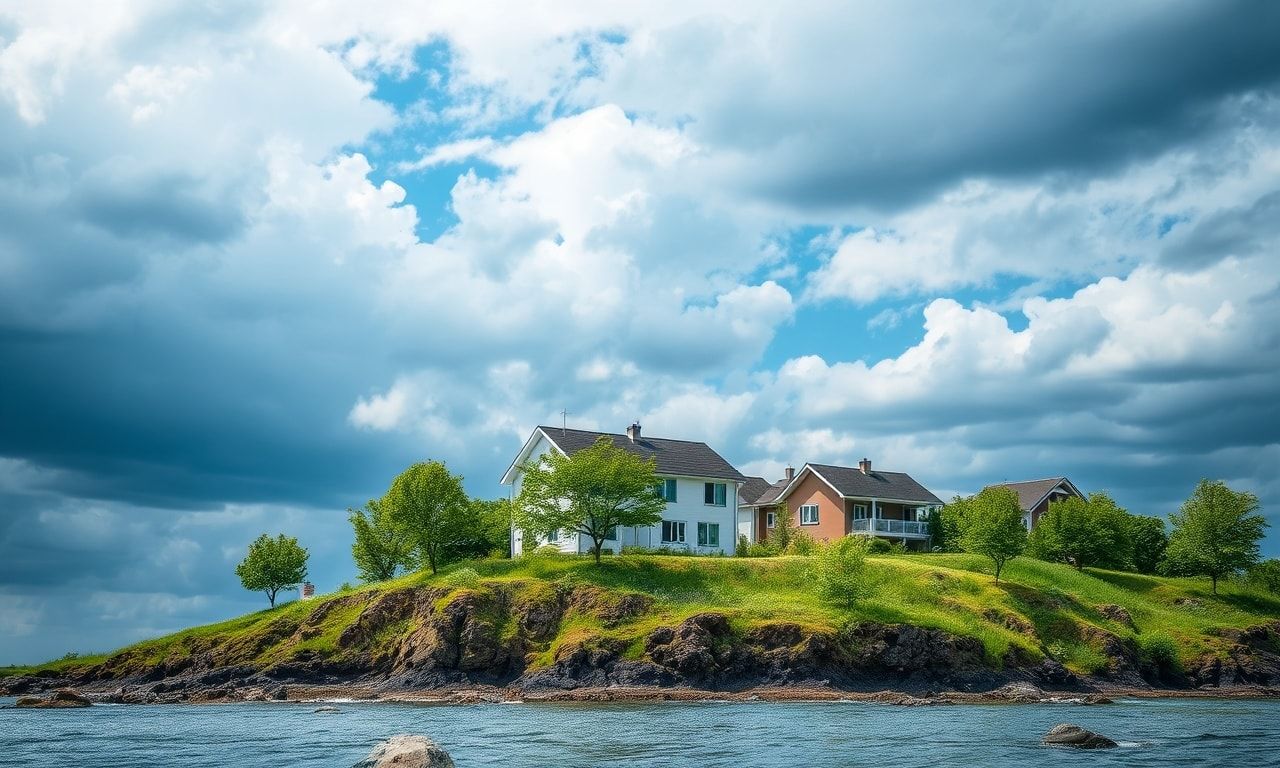
The Far-Reaching Effects of Climate Change
Climate change is no longer a distant threat; it’s a present reality that’s reshaping industries and economies worldwide. Among the sectors feeling the heat is real estate, where shifting weather patterns, rising sea levels, and extreme weather events are forcing a reevaluation of property values, insurance policies, and urban planning strategies. This article delves into the multifaceted impact of climate change on global real estate markets, exploring the challenges and opportunities that lie ahead.
Rising Sea Levels and Coastal Property Values
One of the most immediate effects of climate change on real estate is the threat posed by rising sea levels to coastal properties. According to a study by the Union of Concerned Scientists, by 2045, as many as 670 coastal communities in the U.S. could experience chronic inundation, with property values at risk. This trend is not limited to the U.S.; coastal cities worldwide, from Miami to Mumbai, are grappling with the same issue. As a result, investors and homeowners alike are seeking guidance on how to navigate this shifting landscape. For those looking to make informed decisions, resources like the product reviews recommendation guide can provide valuable insights into sustainable and resilient building materials and technologies.
Extreme Weather Events and Insurance Implications
Extreme weather events, such as hurricanes, wildfires, and floods, are becoming more frequent and intense, leading to significant losses in the real estate sector. Insurance companies are responding by reevaluating their policies, often leading to higher premiums or even the withdrawal of coverage from high-risk areas. This shift can make properties in these areas less attractive to investors and potential buyers, further depressing property values. Moreover, the increased frequency of these events is prompting a demand for more robust and climate-resilient construction methods, which can drive up development costs.
The Rise of Climate-Resilient Cities
In response to these challenges, cities around the world are beginning to implement climate-resilient urban planning strategies. These efforts include the development of green infrastructure, such as permeable pavements and green roofs, to manage stormwater and reduce urban heat island effects. Additionally, cities are investing in early warning systems and emergency response plans to better prepare for extreme weather events. These initiatives not only help to protect existing properties but also make cities more attractive to investors looking for stable, long-term opportunities.
Opportunities in Sustainable and Green Real Estate
The challenges posed by climate change also present opportunities for innovation and investment in sustainable and green real estate. There is a growing demand for energy-efficient buildings, powered by renewable energy sources and equipped with smart technologies to optimize energy use. Green certifications, such as LEED and BREEAM, are becoming increasingly important, as they signal a property’s commitment to sustainability and can enhance its marketability. Furthermore, the development of green spaces and urban forests can improve the livability of cities, making them more resilient to the impacts of climate change.
The Role of Policy and Regulation
Government policies and regulations play a crucial role in shaping the real estate market’s response to climate change. For instance, carbon pricing mechanisms can incentivize the development of low-carbon buildings, while building codes can mandate the use of climate-resilient materials and designs. Additionally, policies that promote urban densification and mixed-use development can help to reduce the environmental footprint of cities and enhance their resilience. As such, stakeholders in the real estate sector must stay informed about evolving policies and regulations to adapt and thrive in the face of climate change.
Looking Ahead: The Future of Real Estate in a Changing Climate
The real estate market is at a crossroads, facing significant challenges but also unprecedented opportunities. As climate change continues to reshape our world, the industry must adapt by embracing sustainable practices, investing in resilient infrastructure, and advocating for supportive policies. By doing so, the real estate sector can not only mitigate the impacts of climate change but also contribute to the creation of more livable, equitable, and sustainable communities for future generations.
As women’s football continues to gain global traction, our latest feature examines its remarkable evolution and impact on the sporting landscape.
To gain a deeper understanding of the city’s evolving cultural landscape, consider exploring Dundee’s arts and events scene in our latest feature.