
The Far-Reaching Effects of Climate Change
Climate change is undeniably one of the most pressing issues of our time, and its effects are being felt across various sectors, including real estate. As temperatures rise, sea levels continue to climb, and weather patterns become increasingly unpredictable, the real estate market is facing unprecedented challenges and opportunities. This article delves into the multifaceted impact of climate change on global real estate markets, exploring everything from property values to insurance policies and urban planning.
Rising Sea Levels and Coastal Properties
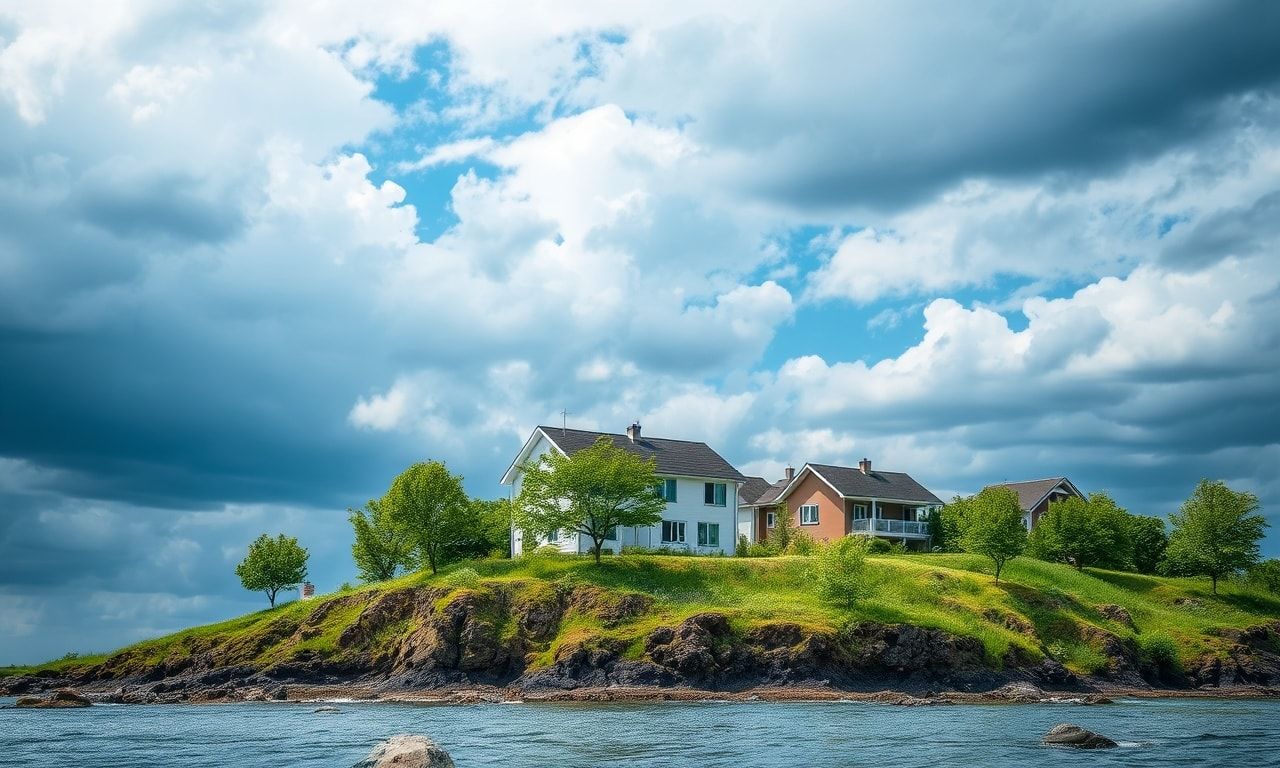
One of the most immediate and visible impacts of climate change on real estate is the rise in sea levels, which poses a significant threat to coastal properties. According to a study by the Union of Concerned Scientists, by 2045, as many as 311,000 homes along the U.S. coast could be chronically inundated, potentially rendering them uninhabitable and worthless. This trend is not limited to the United States; coastal cities around the world, from Miami to Shanghai, are grappling with the same issues.
As a result, insurance companies are reassessing their policies, and some are even refusing to cover properties in high-risk areas. This has led to a surge in demand for climate-resilient homes and communities designed to withstand extreme weather events. For instance, developers are increasingly incorporating features like elevated foundations, flood barriers, and storm-resistant materials into their projects.
The Shift in Property Values
The value of real estate is intrinsically linked to its location, and climate change is altering the desirability and, consequently, the value of certain areas. Properties in regions prone to wildfires, hurricanes, or flooding are seeing a decline in value, while those in safer, more resilient areas are becoming more attractive to buyers. This shift is driving a migration of both people and investment capital towards regions perceived as less vulnerable to climate-related disasters.
For example, cities in the Midwest and the Mountain West regions of the United States are experiencing a surge in interest from homebuyers and investors looking to escape the risks associated with coastal living. This trend is also evident in Europe, where inland cities are becoming increasingly popular as coastal areas face the brunt of rising sea levels and extreme weather events.
Insurance and Regulatory Changes
The insurance industry is at the forefront of responding to the challenges posed by climate change. Insurers are revising their underwriting criteria, adjusting premiums, and, in some cases, withdrawing coverage from high-risk areas. This has led to a growing market for parametric insurance, which provides coverage based on the occurrence of specific triggers, such as the intensity of a hurricane or the height of a storm surge.
Regulatory changes are also playing a crucial role in shaping the real estate market’s response to climate change. Governments around the world are implementing stricter building codes, zoning laws, and environmental regulations to mitigate the risks associated with climate change. For instance, the European Union’s Green Deal aims to make the bloc climate-neutral by 2050, which will have significant implications for real estate development and investment.
Urban Planning and Sustainable Development
Climate change is also reshaping urban planning and sustainable development practices. Cities are increasingly focusing on creating resilient infrastructure that can withstand extreme weather events and adapt to changing environmental conditions. This includes investing in green spaces, improving drainage systems, and developing climate-resilient buildings.
Moreover, there is a growing emphasis on sustainable development, with a focus on reducing carbon emissions and promoting energy efficiency. Green building certifications, such as LEED and BREEAM, are becoming more prevalent, and developers are incorporating sustainable features into their projects to attract environmentally conscious buyers and tenants.
Community Resilience and Adaptation
As climate change continues to impact communities worldwide, there is a growing recognition of the need for community resilience and adaptation. This involves not only physical infrastructure but also social and economic resilience. Communities are coming together to develop localized solutions to climate-related challenges, such as creating emergency response plans, investing in renewable energy, and promoting sustainable agriculture.
For instance, the city of Rotterdam in the Netherlands has become a global leader in climate adaptation, implementing innovative solutions like floating homes, water plazas, and green roofs to mitigate the effects of rising sea levels and extreme weather events. Similarly, cities in the United States, such as New Orleans and Miami, are investing in resilience projects to protect their communities from the impacts of climate change.
In conclusion, climate change is having a profound impact on global real estate markets, influencing everything from property values to insurance policies and urban planning. As the effects of climate change become more pronounced, the real estate industry will need to continue adapting and innovating to meet the challenges ahead. For the latest updates on trending topics popular discussions, visit Liverpool Daily.
In today’s interconnected world, understanding how technology shapes global dynamics is crucial; delve into tech’s role in international relations for a comprehensive analysis.
To understand the driving forces behind Edinburgh’s economic growth, consider exploring the city’s thriving tech sector and its impact on the region.
In today’s interconnected world, sports often reflect and influence current affairs, a dynamic explored in depth in sports and global issues.