
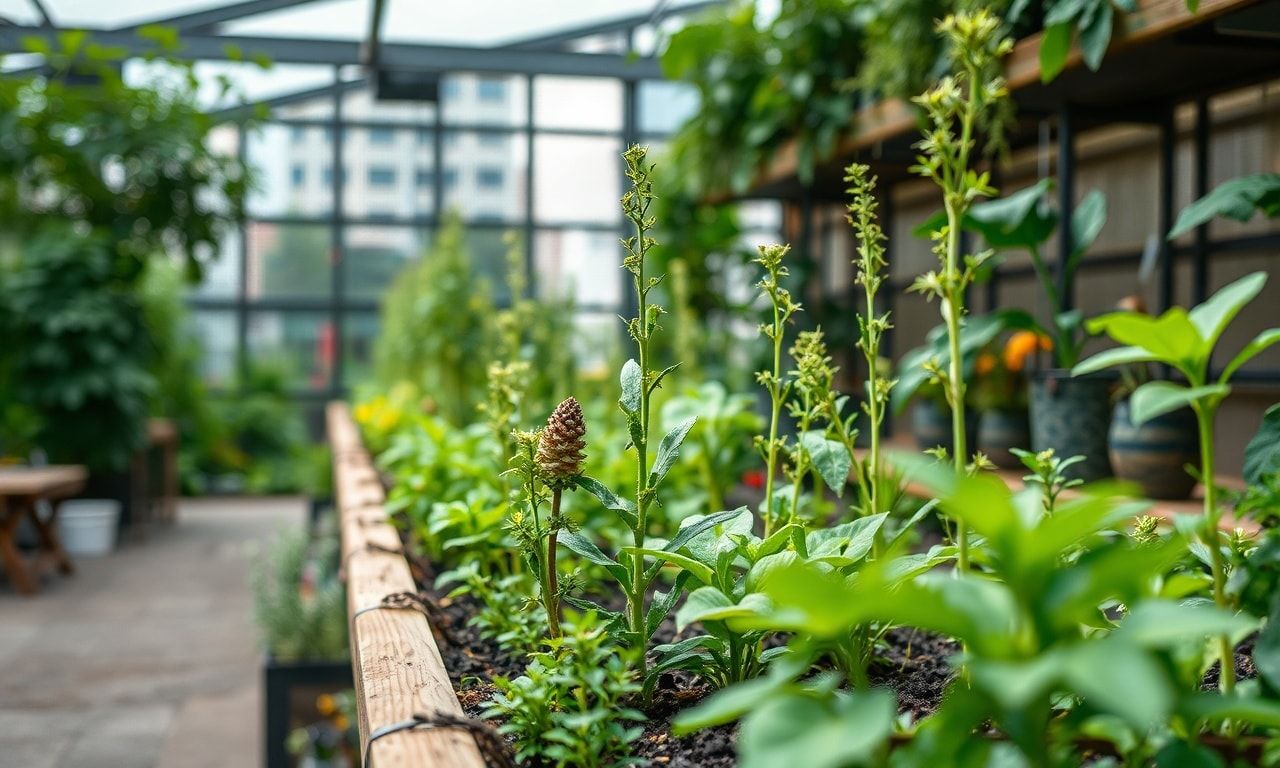
The Rise of Urban Gardening
The world is witnessing a significant shift towards urban gardening, as cities around the globe embrace the green revolution. This movement is not just about aesthetics; it’s a response to environmental concerns, food security issues, and a growing desire for sustainable living. Urban gardening encompasses a variety of practices, from rooftop gardens to community plots, and it’s transforming the way we think about food production and green spaces in urban environments.
Benefits of Urban Gardening
Urban gardening offers numerous benefits, both for individuals and communities. For starters, it promotes healthier eating habits by providing fresh, organic produce. It also helps reduce the carbon footprint associated with transporting food from rural areas to cities. Additionally, urban gardens serve as green spaces that improve air quality, reduce urban heat islands, and provide habitats for local wildlife.
Beyond environmental benefits, urban gardening fosters community engagement and social interaction. Community gardens, in particular, bring people together, creating a sense of belonging and shared purpose. They also serve as educational hubs where people can learn about sustainable practices and gardening techniques. For those new to gardening, resources like the gardening tips beginners guide can be invaluable in getting started.
Health and Well-being
The mental health benefits of urban gardening are well-documented. Engaging in gardening activities has been shown to reduce stress, anxiety, and depression. The act of nurturing plants and watching them grow can be incredibly therapeutic. Moreover, urban gardens provide spaces for physical activity, which contributes to overall well-being.
Challenges and Solutions
Despite its many benefits, urban gardening faces several challenges. Limited space, soil contamination, and lack of access to water are common issues in urban areas. However, innovative solutions are emerging to address these challenges. Vertical gardening, hydroponics, and aquaponics are space-saving techniques that allow for efficient food production in small areas. Additionally, community efforts to clean and enrich urban soils are making gardening safer and more accessible.
Water management is another critical aspect of urban gardening. Techniques such as rainwater harvesting and drip irrigation help conserve water and ensure that plants receive the necessary hydration. Community initiatives to share resources and knowledge further enhance the sustainability of urban gardening projects.
Policy and Support
Governments and local authorities are increasingly recognizing the value of urban gardening and are implementing policies to support it. Zoning laws are being revised to accommodate urban farms and community gardens. Incentives such as tax breaks and grants are being offered to encourage individuals and organizations to engage in urban agriculture. Educational programs are also being developed to teach people about the benefits and practices of urban gardening.
Case Studies: Urban Gardening Around the World
Urban gardening initiatives are thriving in various parts of the world, each with its unique approach and success story. In Detroit, Michigan, the Green Garage initiative has transformed vacant lots into productive urban farms, providing fresh produce to local communities. In Singapore, the Urban Redevelopment Authority has integrated rooftop gardens into building designs, creating green spaces that improve the quality of life for residents.
In Europe, the city of Copenhagen has set a goal to become the world’s first carbon-neutral capital by 2025. Urban gardening plays a crucial role in this ambition, with community gardens and urban farms contributing to the city’s sustainability efforts. Similarly, in Latin America, cities like Bogotá and Medellín have embraced urban gardening as a means to address food insecurity and promote environmental stewardship.
The Future of Urban Gardening
The future of urban gardening looks promising, with technology playing a significant role in its evolution. Smart gardening tools, such as sensors and automated irrigation systems, are making it easier for urban dwellers to maintain their gardens. Additionally, the use of renewable energy sources, such as solar power, is enhancing the sustainability of urban gardening practices.
As awareness about the benefits of urban gardening continues to grow, more people are likely to engage in this transformative practice. Community efforts, government support, and technological advancements will all contribute to the expansion and success of urban gardening initiatives worldwide.
In a bid to promote mental well-being, Düsseldorf introduces new mindfulness initiatives as reported in innovative programs for residents.
As sustainability gains momentum in global discussions, exploring green fashion’s impact offers a timely examination of the industry’s evolution.
In the realm of tech and health, a new trend is emerging that’s capturing public attention; explore how smartwatches enhance daily wellness in our latest feature.