
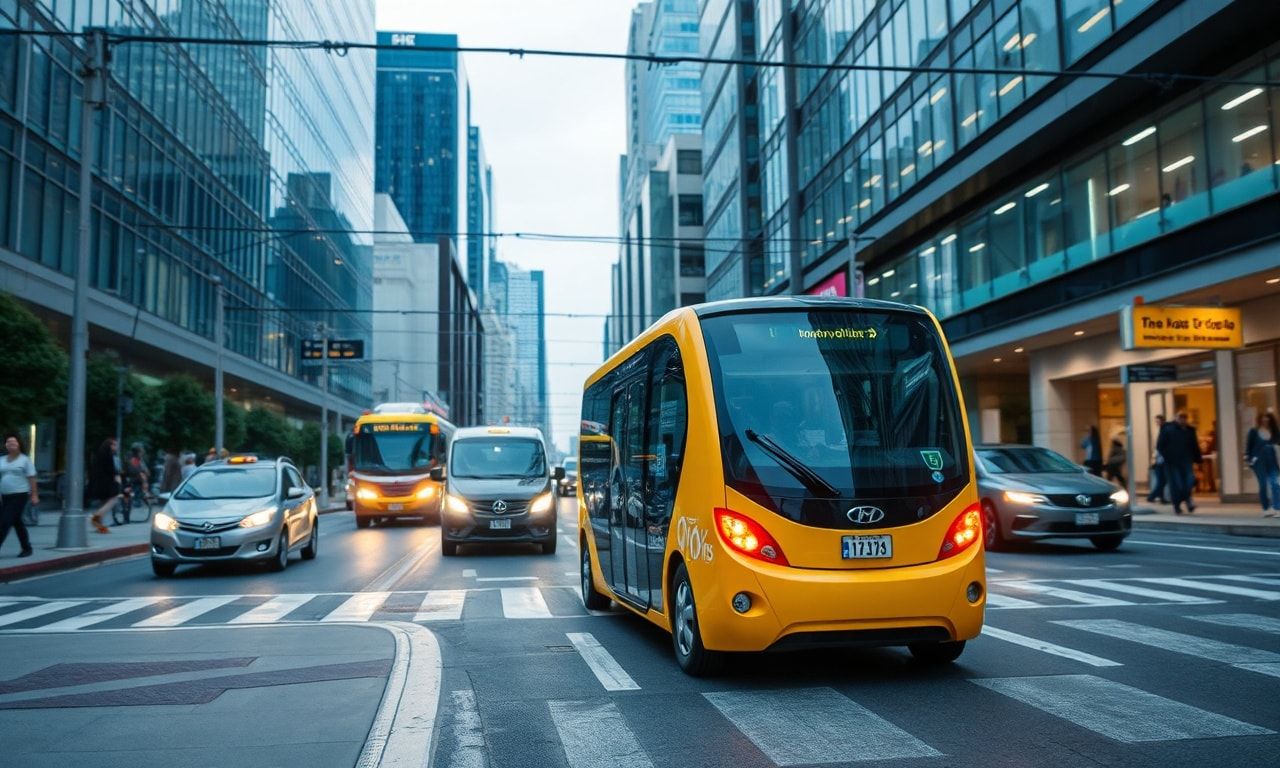
The Evolution of Urban Transportation
The landscape of urban mobility is undergoing a profound transformation, driven by technological advancements, environmental concerns, and changing consumer preferences. Cities around the world are grappling with the challenges of congestion, pollution, and sustainability, prompting a wave of innovations aimed at redefining how we move within our urban environments.
Electric Vehicles and Sustainable Transportation
One of the most significant shifts in urban mobility is the rise of electric vehicles (EVs). Governments and automakers are increasingly focusing on EVs as a solution to reduce greenhouse gas emissions and dependence on fossil fuels. Major cities are implementing policies to incentivize the adoption of electric cars, including tax credits, subsidies, and the expansion of charging infrastructure.
In addition to personal electric vehicles, public transportation systems are also embracing electrification. Electric buses, trams, and even electric bicycles are becoming more common, offering cleaner and more efficient alternatives to traditional diesel-powered vehicles. These innovations are not only reducing emissions but also improving air quality in densely populated urban areas.
Autonomous Vehicles and Smart Cities
The development of autonomous vehicles (AVs) is another game-changer in the realm of urban mobility. Self-driving cars promise to enhance safety, reduce traffic congestion, and improve the overall efficiency of transportation networks. Companies like Tesla, Waymo, and Uber are at the forefront of this technology, investing heavily in research and development to bring fully autonomous vehicles to market.
Smart cities are leveraging the potential of AVs to create more integrated and responsive transportation systems. By utilizing data analytics and artificial intelligence, cities can optimize traffic flow, reduce travel times, and enhance the overall user experience. The integration of AVs with other smart city technologies, such as smart traffic lights and real-time navigation systems, is expected to revolutionize urban mobility in the coming years.
The Role of Micromobility
Micromobility solutions, such as electric scooters, e-bikes, and shared bicycles, are gaining popularity as viable alternatives to traditional modes of transportation. These compact, eco-friendly vehicles are ideal for short-distance travel within urban areas, providing a convenient and cost-effective solution for commuters.
Cities are increasingly embracing micromobility by implementing dedicated lanes, parking facilities, and regulatory frameworks to ensure the safe and efficient operation of these vehicles. The integration of micromobility with public transportation systems is also being explored, with initiatives such as bike-sharing programs and scooter rentals becoming more common.
Technological Innovations in Urban Mobility
Technological advancements are playing a crucial role in shaping the future of urban mobility. From advanced driver-assistance systems (ADAS) to connected car technologies, the automotive industry is continuously evolving to meet the demands of modern urban living.
For instance, the Honda Civic tech news and features for 2026 highlight the integration of cutting-edge technologies such as advanced safety features, infotainment systems, and connected car services. These innovations are not only enhancing the driving experience but also contributing to the broader goals of sustainability and efficiency in urban transportation.
Moreover, the rise of mobility-as-a-service (MaaS) platforms is transforming the way people access and use transportation services. MaaS integrates various modes of transportation, including public transit, ride-sharing, and car-sharing, into a single, seamless platform. This approach offers users a more flexible and personalized mobility experience, reducing the need for private car ownership and promoting more sustainable transportation habits.
Challenges and Opportunities
Despite the numerous advancements in urban mobility, several challenges remain. Issues such as infrastructure limitations, regulatory hurdles, and public acceptance of new technologies pose significant barriers to the widespread adoption of innovative transportation solutions.
However, these challenges also present opportunities for collaboration and innovation. Governments, automakers, and technology companies must work together to address these issues and create a more sustainable and efficient urban mobility ecosystem. By leveraging the power of data, technology, and policy, cities can pave the way for a future where transportation is not only efficient and convenient but also environmentally responsible.