
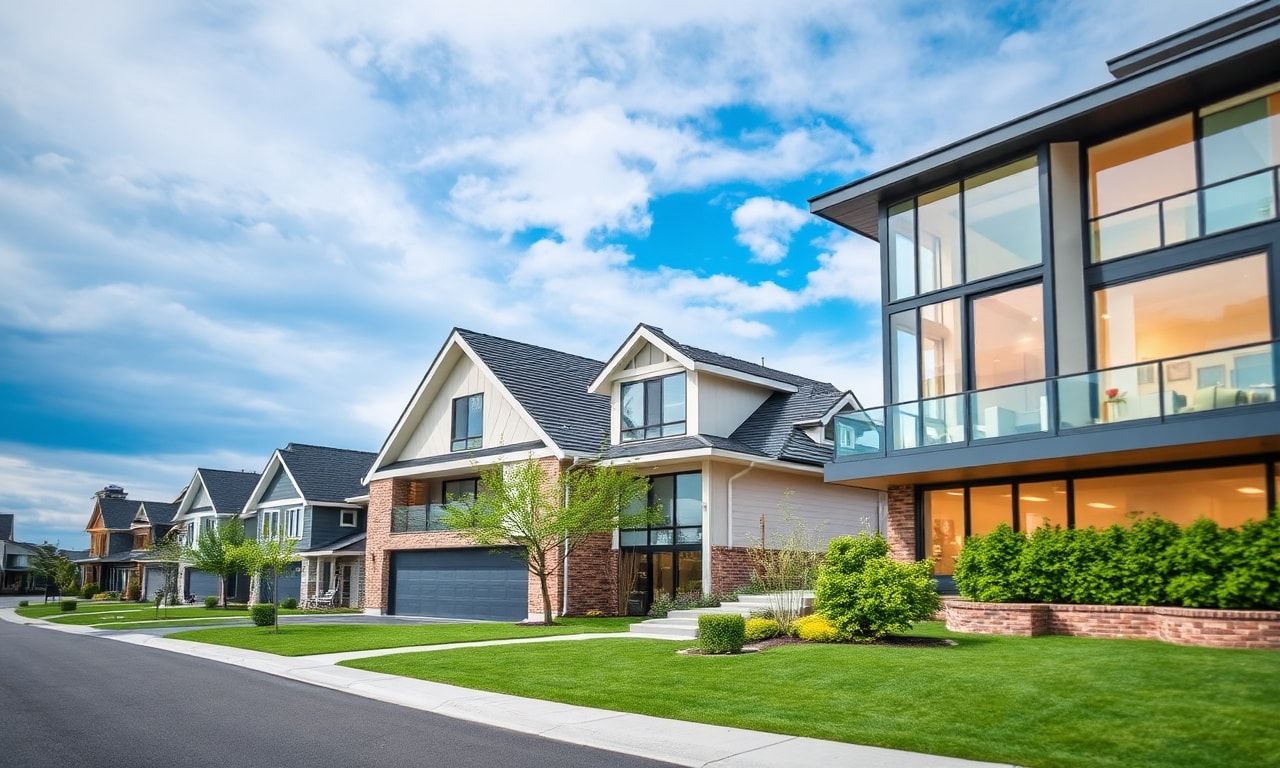
The Evolving Landscape of Property Markets
The real estate industry is constantly evolving, driven by technological advancements, economic shifts, and changing consumer preferences. As we look ahead to 2026, several key trends are expected to shape the property market, influencing everything from home design to investment strategies. Understanding these trends can help buyers, sellers, and investors make informed decisions in an increasingly dynamic market.
Technological Innovations Reshaping Real Estate
Technology continues to be a major disruptor in the real estate sector. Virtual reality (VR) and augmented reality (AR) are becoming integral tools for property viewings, allowing potential buyers to tour homes remotely with a level of immersion previously unattainable. Additionally, blockchain technology is poised to revolutionize property transactions by enhancing transparency and security. Smart home technologies, including AI-driven systems for energy management and home security, are also expected to become standard features in new constructions.
Another significant development is the integration of big data analytics in real estate. This technology enables more accurate property valuations and helps investors identify lucrative opportunities by analyzing vast amounts of market data. The use of drones for property inspections and 3D printing for construction are other innovations that are likely to gain traction by 2026, streamlining processes and reducing costs.
The Rise of Sustainable and Eco-Friendly Properties
Sustainability is no longer a buzzword but a critical consideration for modern property developers and buyers. The demand for eco-friendly homes is on the rise, driven by environmental awareness and government incentives. By 2026, green building certifications, such as LEED and BREEAM, will likely become standard requirements for new developments. Features like solar panels, rainwater harvesting systems, and energy-efficient appliances will be commonplace, appealing to environmentally conscious consumers.
Moreover, the concept of biophilic design, which incorporates natural elements into building structures, is expected to gain popularity. This approach not only enhances the aesthetic appeal of properties but also promotes mental and physical well-being. As sustainability becomes a cornerstone of real estate development, properties that fail to meet these standards may find themselves at a competitive disadvantage.
Changing Urban and Suburban Dynamics
The COVID-19 pandemic has significantly altered the way people view their living spaces, accelerating the shift towards suburban and rural areas. Remote work has made it possible for many professionals to relocate to less densely populated regions, seeking larger homes and more affordable living costs. This trend is expected to continue into 2026, with suburban areas experiencing increased demand and urban centers facing potential declines in property values.
However, urban areas are not being left behind. The concept of the 15-minute city, where residents can access all essential services within a short walk or bike ride, is gaining traction. This model promotes walkability and reduces reliance on private transportation, aligning with broader sustainability goals. Urban planners are likely to focus on creating more livable cities by investing in green spaces, public transportation, and mixed-use developments.
Investment Opportunities and Market Predictions
As the real estate market evolves, new investment opportunities are emerging. The growing popularity of co-living spaces, particularly among young professionals and students, presents a lucrative niche for investors. Similarly, the demand for senior living facilities is expected to rise, driven by an aging population. Investors who can cater to these specific demographics are likely to see significant returns.
Another area of interest is the short-term rental market, which has seen explosive growth due to platforms like Airbnb. By 2026, this sector is expected to become even more diversified, with a range of unique and themed properties attracting travelers seeking authentic experiences. However, investors must navigate regulatory challenges and market saturation to succeed in this competitive space.
For those interested in the latest trends in home decoration, the 2026 yılı için ev dekorasyonu trendleri güncellemesi provides valuable insights into the future of interior design, helping homeowners and investors stay ahead of the curve.
The Role of Government Policies and Regulations
Government policies play a crucial role in shaping the real estate market. In 2026, we can expect to see more regulations aimed at promoting affordable housing and sustainable development. Policies that incentivize green building practices and penalize environmentally harmful constructions will likely become more prevalent. Additionally, zoning laws may be revised to accommodate the growing demand for mixed-use developments and flexible living spaces.
Tax incentives for first-time homebuyers and renters may also be introduced to stimulate market activity and make homeownership more accessible. Governments are increasingly recognizing the importance of stable and affordable housing in fostering economic growth and social well-being. As such, policies that support these goals will be a key focus in the coming years.
Conclusion
The real estate market in 2026 will be shaped by a combination of technological advancements, sustainability initiatives, and shifting consumer preferences. Investors, developers, and homeowners who stay informed about these trends will be well-positioned to navigate the evolving landscape. By embracing innovation and adapting to changing market dynamics, stakeholders can capitalize on the numerous opportunities that lie ahead.
As home improvement trends continue to evolve, our latest feature 2023’s top home decor trends offers a comprehensive look at what’s shaping interior design this year.