
Renting vs. Buying Abroad: How to Compare the Costs
Compare renting and buying a home abroad by weighing total costs, time horizon, currency exposure, local rules and the risks of owning or moving.

Renting is usually the more flexible choice when you may leave within a few years, while buying can make sense if you expect to stay long enough to absorb purchase and resale costs. Compare the full cost of each option in the same currency, then test how local taxes, financing, exchange rates and property rules could change your budget.
Start with the length and purpose of your stay: a temporary move, a trial period or a long-term home can lead to different choices. A low monthly rent does not automatically beat ownership, and a mortgage payment alone does not reveal the full cost of buying.
For an overseas decision, separate property research from currency conversion. Check local prices, rental terms, taxes and ownership rules directly, then convert the expected cash flows using a consistent method and allow for exchange-rate changes.
- Renting often fits a short or uncertain stay; buying needs time to absorb transaction and resale costs.
- Compare the full cost of each option, including taxes, fees, repairs, financing and lease terms.
- Convert costs consistently, but do not mistake exchange-rate conversion for property research.
- Verify local ownership rules, title or lease terms, and the cash needed before committing.
Start With Your Housing Needs and Time Horizon
Match the Home to Your Stay
Estimate how long you are likely to live in the country before comparing monthly payments. Renting often suits a short or uncertain stay because it avoids purchase and resale costs, while buying may be easier to justify when your plans are stable and the home will meet your needs for years. Before choosing a lease or purchase, güncel döviz kurları can help translate likely housing expenses into the currency you use for planning.
- A shorter or uncertain stay generally favors the flexibility of renting.
- A longer stay gives more time to spread purchase and resale costs.
- Choose a home that fits likely changes in work and family needs.
Write down the practical requirements that could affect either choice, such as commute, schools, accessibility and space for family visits. A rental may offer a furnished home near work, while a purchase may provide more control over layout but require renovation or furnishing before it is comfortable.
Consider whether your plans depend on a job contract, residency status or family circumstances that could change. If leaving early is plausible, estimate how difficult it would be to end a lease or sell the property; a decision that works only under a fixed long stay carries more risk.
Define Your Flexibility Needs
Treat flexibility as a real part of the comparison, not an abstract preference. A renter may be able to move when a job changes, subject to the lease, whereas an owner must arrange a sale, keep paying carrying costs, or find a tenant if plans shift.
Check how easily each option can adapt to your likely circumstances. Lease length, notice periods and renewal terms shape a renter’s ability to leave, while a buyer should consider whether the property could be rented out and what local rules would apply.
Separate what you know from what you are assuming about the move. If your employer may transfer you or your residency permission has conditions, compare a flexible rental with the costs of owning under an early-exit scenario, rather than relying only on your preferred plan.
- Confirm lease duration and notice requirements.
- Ask whether subletting or early termination is allowed.
- Check whether a purchased home can be rented out.
- Model a move before your expected stay ends.
Compare the Full Cost of Renting and Buying

Count Every Ownership Cost
Compare rent with the total cost of owning, not with the mortgage payment alone. Add purchase taxes and fees, legal and inspection costs, insurance, maintenance, property charges and any building or community fees that apply in the location.
- Mistake: comparing rent only with the mortgage; better: include all ownership charges.
- Mistake: assuming repairs are negligible; better: inspect the home and budget for upkeep.
- Mistake: ignoring resale costs; better: estimate the likely cost of exiting.
A home that appears affordable at the asking price can require substantial cash before move-in. For example, an older property may need repairs, while an apartment may carry shared building costs; ask for records and local estimates rather than treating these expenses as minor exceptions.
Include the cost of selling when you assess ownership over your expected stay. Agent charges, legal work, taxes and the time needed to find a buyer can reduce the proceeds, so a short holding period may not leave enough time to recover the transaction costs.
Compare Rent and Financing
Put recurring rent beside recurring ownership costs, but keep one-time costs visible in a separate line. Mortgage interest, insurance, maintenance and property taxes affect the cost of living in the home; principal repayments also build equity, although that equity is not immediately available as cash.
Review the lease before assuming rent will remain steady. Renewal rules, permitted increases, utility responsibilities and deposits can change the actual cost, while a mortgage may expose a buyer to interest-rate changes if the loan is variable or its fixed period ends.
Convert a planned rent payment or purchase amount consistently when you compare it with income or savings; a dolar TL çevirici can show the Turkish-lira equivalent, but it does not include exchange fees or property expenses. Treat the result as a currency comparison, not a complete affordability test.
- List recurring rent and lease-related charges.
- Separate mortgage interest from principal repayments.
- Include utilities, insurance and maintenance where applicable.
- Check whether loan payments can change.
Set a Realistic Budget Across Currencies
Use a Consistent Conversion
Build the budget in the currency you earn and the currency you will spend, then use one stated exchange-rate assumption to compare them. Readers budgeting for a home abroad can use güncel döviz kurları to translate expected costs into a familiar currency before setting them against income and savings.
Keep the conversion date and source with your calculation so you can update it later. Comparing a current rent quote with an old exchange rate, or a purchase estimate converted on a different date, can make one option appear cheaper for reasons unrelated to the property.
Test what happens if the exchange rate moves against you before committing to regular payments. A renter with income in another currency may face a higher effective rent, and an owner may need to fund local taxes, utilities and repairs from the same changing pool of money.
| Method | Useful for | Main limitation |
|---|---|---|
| One conversion date | Comparing current quotes | Does not predict future rates |
| Several rate scenarios | Testing budget resilience | Scenarios are not forecasts |
| Separate currency budgets | Tracking income and spending | Requires regular updates |
| Local market comparisons | Checking rent and purchase value | Needs comparable property evidence |
Separate Cash From Paper Value
Keep purchase funds, monthly living costs and emergency reserves in separate budget lines. A home may represent substantial wealth on paper, but it cannot reliably cover an urgent bill unless it can be sold or borrowed against on acceptable terms.
Allow for the timing of payments as well as their total. Buyers may need funds for a deposit, taxes and closing costs before moving in, while renters may face a deposit, advance rent and moving expenses; check when each amount is due and in which currency.
Do not treat a favorable currency conversion as proof that a property is fairly priced. Compare similar homes in the same area, inspect the condition, check local transaction costs and use current rental evidence before deciding whether the quoted amount makes sense.
- Separate upfront funds from ongoing costs.
- Keep an accessible reserve for unexpected expenses.
- Record payment dates and required currencies.
- Compare local properties and rents independently.
Before making an offer, confirm whether a foreign buyer can own the property and what legal steps apply in that jurisdiction.
Assess the Purchase and Rental Options

Check Local Ownership Conditions
Before making an offer, confirm whether a foreign buyer can own the property and what legal steps apply in that jurisdiction. Rules may vary by location and property type, so verify requirements with qualified local professionals and official sources rather than relying on a seller’s informal assurance.
- Confirm foreign-buyer eligibility and local procedures.
- Verify title, permitted use and property charges.
- Arrange an independent inspection and legal review.
- Check financing terms against your income currency.
Review the title, permitted use, outstanding charges and any restrictions attached to the property. An independent inspection can identify defects that affect repair costs or safety, while a legal review can clarify what rights and obligations transfer with ownership.
Ask how the purchase will be financed and whether the loan terms fit income earned in another currency. Lenders may assess foreign income differently, and exchange-rate movements can raise the effective burden of repayments even when the payment in the loan currency stays unchanged.
Review the Rental Terms
Read the lease for the details that determine how secure and predictable the rental will be. Confirm the rent, deposit, payment currency, renewal terms, notice period, responsibility for repairs and the process for resolving disputes before transferring money or signing.
Check who may live in the home, whether pets or alterations are permitted, and which utilities or building charges the tenant must pay. A low advertised rent can become less attractive if essential services are excluded or the agreement places major upkeep obligations on the renter.
Verify that the person offering the property has authority to rent it and that the home matches the written description. Keep copies of the signed lease, payment records and move-in condition notes; these help clarify responsibilities if a deposit or repair becomes disputed later.
- Confirm rent, deposit and payment currency.
- Check notice, renewal and early-exit rules.
- Clarify repairs, utilities and building charges.
- Document the home’s condition at move-in.
Account for Ownership and Rental Risks
Plan for Local Ownership Rules
Before buying abroad, confirm that foreign buyers can own the property type and location you are considering. Rules may differ for apartments, land, or homes in restricted areas, and ownership can involve permits or local registration. Check the title, outstanding charges, and any limits on resale with an independent local professional before paying a deposit.
A quoted housing expense and funds held in dollars need a common currency basis; checking dolar kaç Türk lirası can help you compare the figures before completing your own cost comparison. Exchange rates can shift between budgeting and payment, so use a current rate for an initial estimate, then confirm the amount and payment terms with your bank or transfer provider.
Buying also creates obligations that a rent payment does not, including repairs, insurance, taxes, and fees for shared facilities. Ask who is responsible for structural work and whether planned building repairs could bring a special charge. Keep written records of answers and check them against the sale contract, rather than relying on verbal assurances.
Prepare for Rental Uncertainty
A rental can be easier to leave than a purchase, but the lease may still restrict your options. Check its term, renewal process, notice period, permitted rent increases, deposit rules, and responsibility for repairs before signing. Ask how the agreement treats early departure, especially if work, residency status, or family plans could change.
Rental protections and common lease practices vary by country and sometimes by city. A landlord may be able to end a tenancy under conditions that differ from those at home, while recovering a deposit can require documented evidence of the property's condition. Photograph existing damage at move-in and make sure the condition record is accepted by both parties.
Consider practical risks alongside the contract: a home far from reliable transport, schools, or essential services can become costly in time and travel. Confirm that utilities are connected, understand how bills are paid, and ask whether furnishings or appliances are included. A short initial lease may offer flexibility while you learn the area, if its terms and costs are clear.
Check What Currency Conversion Leaves Out
Separate Rates From Total Costs
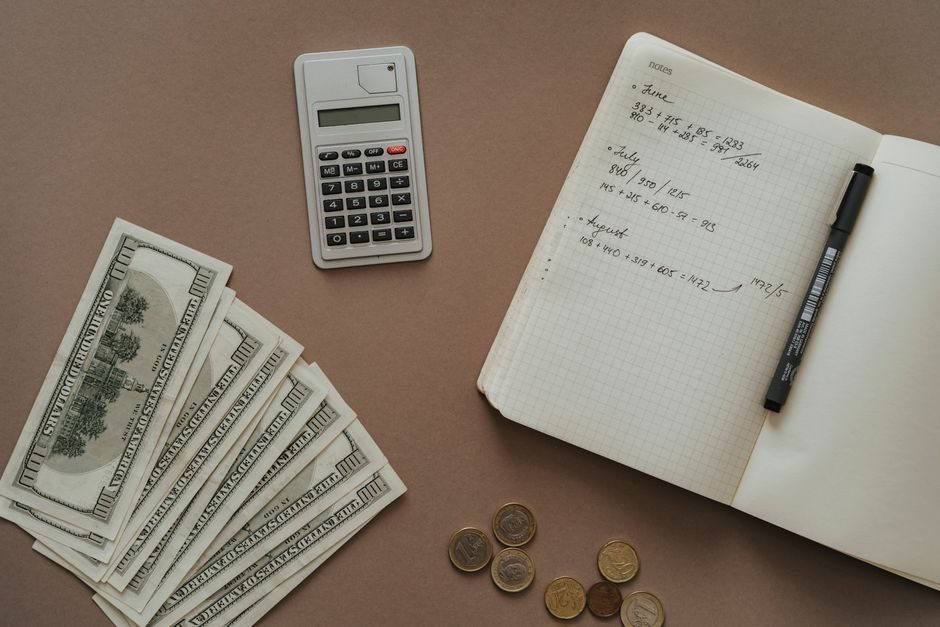
A currency converter can translate a rent quote or purchase price, but it cannot tell you whether the property is fairly priced. It also does not account for taxes, legal fees, insurance, maintenance, or the cost of moving money. Treat the converted figure as one input, then build a separate estimate of all payments required to live there.
The rate shown for a currency pair may differ from the rate you receive after a provider's spread, commission, or transfer fee. Check the amount that would arrive in the destination currency, not only the headline rate. For a large purchase, ask how the rate is set, when it is locked, and whether the transfer can be delayed or rejected.
Exchange-rate movement can change the home-country cost of a foreign rent or mortgage even when the local payment stays the same. This matters most when income and housing expenses are in different currencies. Test a few plausible rate scenarios using your own budget, but do not mistake those illustrations for a forecast of future rates.
Verify Every Payment Channel
Before sending funds, confirm the recipient, account details, payment deadline, and any required reference with a trusted contact using a separate communication channel. Property transactions can involve deposits, rent, taxes, and closing funds sent to different recipients. A copied or altered account number can be difficult to recover from, so verify instructions before authorizing a transfer.
Ask whether rent, a deposit, or a purchase payment must be made in local currency or can be paid in another currency. The contract should make the amount and currency clear, along with any rule for converting a foreign-currency payment. If the agreement leaves this ambiguous, request clarification in writing before committing.
Retain receipts and bank confirmations, and compare the amount delivered with the amount due. A fee deducted during transfer can leave a shortfall even when you sent what appeared to be the full payment. For recurring expenses, check whether a standing transfer is practical and review it when the exchange rate, bank terms, or local payment instructions change.
Build a Like-for-Like Cost Comparison
Match Costs Across Time
Compare renting and buying over the same period, using the same currency and assumptions for occupancy. A monthly rent beside a full purchase price is not a useful comparison; instead, include the costs that arise during your expected stay and account for the money tied up in a purchase. A shorter stay may leave buying costs difficult to recover through resale.
For renting, include recurring rent, likely increases, utilities not covered by the landlord, insurance, and any non-refundable fees. For buying, include upfront transaction costs, financing charges, taxes, maintenance, building fees, and a realistic allowance for eventual selling costs. Separate one-time expenses from ongoing ones so you can see which costs affect the comparison most.
Use a spreadsheet with one row per expense and a note explaining its source, timing, and currency. This makes it easier to revise the result when you receive a lender quote, lease draft, tax estimate, or maintenance assessment. Keep uncertain amounts visible rather than burying them in a single total, and test how a higher or lower estimate changes the decision.
Account for Equity and Exit
A purchase payment is not entirely an expense because some of the property's value may remain when you sell, but that value is uncertain. Estimate a cautious resale outcome after deducting selling fees, taxes, loan repayment, and any work needed to prepare the home. Do not assume prices will rise or that a quick sale will be possible.
A mortgage comparison should include the cash deposit, interest, lender charges, and repayment schedule, not just the monthly instalment. Principal repayment builds equity, but it also commits cash that could otherwise remain available for relocation or emergencies. Ask the lender for a payment schedule and check whether early repayment, refinancing, or a sale triggers extra charges.
Rent payments do not build ownership, yet renting can preserve flexibility and avoid repair or resale risks. Compare what you could do with the money not tied up in a deposit, without assuming it earns a particular return. The practical question is whether the expected benefit of ownership over your stay outweighs its costs, risks, and reduced access to cash.
Use Your Findings to Make a Housing Decision

Set a Decision Threshold
Choose a decision rule before focusing on a preferred home, such as requiring enough cash for closing costs and an emergency reserve after purchase. A threshold prevents an attractive listing from quietly pushing the budget beyond what you can sustain. Set it using your income stability, likely local expenses, and the time you may need to leave the country.
- ☐ Confirm the expected length of stay.
- ☐ Verify the full cash needed upfront.
- ☐ Check ownership or lease conditions.
- ☐ Keep a reserve for unexpected costs.
Separate must-haves from preferences, then check each option against the same needs: location, condition, access to services, and usable space. A cheaper home may demand substantial repairs or a long commute, while a more expensive rental might include maintenance or furnished accommodation. Compare the actual living arrangement, not just the headline payment.
Use the comparison to identify which assumptions matter most. If a modest change in the exchange rate, repairs, or length of stay reverses the result, the decision is sensitive and deserves more verification. If one option remains affordable under several reasonable scenarios, that resilience may matter more than a small difference in the most optimistic estimate.
Choose Flexibility or Stability
Renting may fit better when your stay is uncertain, local rules are unfamiliar, or you need time to learn which areas suit daily life. It can also limit exposure to repair bills and resale delays. Buying may become more practical with a longer, more predictable stay, but only if ownership rules, financing, and total costs are understood.
Think about what happens if plans change earlier than expected. A renter should know the notice period, deposit conditions, and any permitted way to end the lease; a buyer should understand likely sale timing, transaction costs, and whether the home could be rented out legally. These exit routes affect the real cost of committing to either option.
Before signing a lease or purchase contract, have the relevant terms reviewed by a qualified local professional who represents your interests. Confirm that the written agreement matches what you were told about payments, repairs, renewal, and termination. Keep copies of the contract and payment records, and wait to transfer major funds until the recipient and instructions have been independently verified.
Frequently asked questions
Should I rent first when moving to another country?Renting first can be useful when you have not yet learned the local market, legal requirements, or daily travel patterns. A short-term rental lets you inspect areas in person before deciding where a purchase would make sense. Compare the temporary rent and moving costs with the risk of buying a home that proves unsuitable or difficult to resell.
How should I compare a foreign mortgage with rent?Compare the mortgage's full cash cost, including interest, lender fees, taxes, insurance, maintenance, and any shared-building charges, with rent and tenant-paid expenses over the same period. Show principal repayment separately because it contributes to equity, while recognizing that equity depends on the eventual sale price and costs. Include the deposit and check how currency changes affect your income and payments.
What documents should I check before buying abroad?Ask for the title or equivalent ownership record, the sale contract, evidence of any existing liens or unpaid charges, and documents describing building rules and shared costs. Confirm that foreign ownership is permitted for the property and location. Have a local professional acting for you review the documents and explain any conditions, taxes, registration steps, or restrictions on resale.
How can I reduce exchange-rate uncertainty in my housing budget?Keep the rent, purchase price, and other obligations recorded in their original currency, then convert them using a clearly stated rate and date. Test how your budget changes if the rate moves against you, and maintain enough accessible funds for essential payments. Before a transfer, confirm the delivered amount, fees, and rate with the provider rather than relying on a general online quote.
Make the Decision With Verified Costs
A sound rent-versus-buy comparison abroad combines the full cost of each option with the length of stay, legal conditions, and ability to exit. Currency conversion helps put payments on a shared basis, but it cannot establish fair property value or remove exchange-rate risk. The better choice is the one that remains workable when uncertain costs, changing plans, and local rules are treated realistically.
Next, build a side-by-side estimate using written rent or purchase terms, verified local fees, and your expected stay. Mark every uncertain figure, then ask a qualified local adviser to check the legal and tax assumptions before you commit. If the comparison depends on a narrow or optimistic scenario, consider delaying a purchase or choosing a flexible rental while you gather better information.

Add Property eNews as a preferred source on Google


