
Post your event in Aberdeen: a clear newsroom guide
A practical, non-hype guide for posting events in Aberdeen. Learn where to publish, timing, and common pitfalls to inform readers and editors alike.

If you’re planning to announce a local event, this guide helps you publish it clearly and timely for readers. You’ll learn where to post, what details to include, and how to avoid common mistakes that slow coverage. The aim is to make your event visible to the right audience without clutter or confusion.
Start by identifying the best outlet for your event—newsrooms, community calendars, or local directories—based on audience and immediacy. Then assemble the essentials: date, time, venue, price, and a short description that answers who, what, where, when, and why. Conclude with contact details so journalists can verify the information quickly.
Finally, test your post for accuracy and readability before submission. Check for typos, conflicting times, and missing locations. A clean, complete submission increases the chance editors will pick it up for timely coverage.
- Post your event in Aberdeen by choosing the right outlet and supplying precise details. Use a standard brief format, include a clear lead, and provide updates if details change. Publish timing matters for both readers and editors. Explore multiple channels to increase visibility while avoiding promotional language.
- Keep essential facts at the top: date, time, venue, ticketing, and contact. Tailor the format to each channel and respect guidelines. Update promptly with any changes for accuracy.
- When coordinating with editors, use a reusable template and maintain verified contacts. Proofread and remove hype before submission. Always provide a path for updates and corrections to preserve credibility.
Basics of posting
Choose the right outlet
Start with established local channels that readers trust. Newsrooms, community calendars, and official venue pages offer different levels of reach. Align your post with the outlet’s format to improve chances of publication. post your event in Aberdeen is a practical step for local listings.
The aim is clarity and relevance: provide essential facts and avoid promotional language. If a newsroom asks for contacts or quotes, have them ready. A well-targeted post saves editors time and boosts your event’s visibility.
Avoid vague language and ensure the time zone is clear to prevent confusion. If there are multiple sessions, list each with start times and locations. A concise, factual approach helps reporters reproduce the information accurately.
- Include exact date and start time
- Provide full venue name and address
- State ticketing or entry details
- Offer a contact method for confirmation
- Specify accessibility options if relevant
Prepare essential details
Detail the event’s purpose, audience, and any requirements for attendees. Reporters want a clear why, who should attend, and how to participate. The more precise the core facts, the easier it is to cover.
List any fees, RSVP requirements, or limited seating to avoid follow-up questions. Include a map link or venue notes if location is tricky. Journalists value ready-to-publish material.
Double-check spellings of names, venues, and organisations. Inaccuracies create fast corrections and reduce credibility. A clean data set speeds up editorial review and increases likelihood of print or online placement.
- Purpose and audience
- RSVP or ticketing
- Accessibility and venue notes
- Correct spellings and names
- Space for updates if details change
How you publish it

Format for impact
Follow a standard event brief format: headline, lead with the most important fact, then the details. Journalists scan for immediacy and relevance. A consistent structure makes your piece easy to pick up. Aberdeen News online can amplify timely notices through trusted formats.
Avoid marketing speak; stick to facts and plain language. If the event has speakers, include their names and affiliations only if verified. Clear copy minimizes edits.
Ensure dates are unambiguous and times are listed in local time with time zone. If the event is long, provide a schedule or agenda. A simple, precise brief travels well across platforms.
- Lead with the key fact
- List essentials clearly
- Verify names and affiliations
- Provide a concise schedule
Timing and updates
Publish early enough for readers planning ahead, but allow time for last-minute changes. Newsrooms expect updates if details shift. Provide a way for editors to reach you quickly with revised information.
If the event changes, send revised lines and new times promptly. Track any cancellations or additions and keep your listing current. A proactive approach reduces confusion for readers.
Consider a follow-up message with a brief recap after the event to confirm attendance numbers or outcomes. Timely updates keep your post relevant and trustworthy.
- Publish with a deadline in mind
- Offer updated contact details
- Update promptly if changes occur
- Provide a post-event note if possible
Consider alternatives
Other local channels
Apart from main news feeds, regional sites and community boards can amplify reach. Some outlets favour calendar-style listings over feature posts. Using multiple channels increases visibility for different reader groups. local business directory in Aberdeen helps nearby readers find community events.
- ☐ Identify 2-3 suitable channels
- ☐ Tailor copy to each format
- ☐ Submit with required assets
- ☐ Monitor for publication status
Match each channel’s tone: formal for newsroom listings, concise for community boards, and friendly for social posts. This alignment helps readers see consistency across sources.
Always respect each outlet’s submission guidelines and preferred formats to avoid rejection due to misfit. A systematic approach saves time and improves publishing rates.
- Explore newsroom calendars
- Use community boards
- Coordinate with venue partners
- Respect submission guidelines
| Method | Pros | Cons |
|---|---|---|
| Newsroom listing | Broad reach, trusted tone | May require strict formats and delays |
| Community calendar | Local focus, quick updates | Smaller audience, variable coverage |
| Directory presence | Search-friendly, evergreen | Needs regular refresh |
Timing with breaking news
In a fast news cycle, breakouts can overshadow slower events. If your event is time-sensitive, emphasize relevance and proximity to the reader. Clear timing and location become essential to avoid misreporting.
Coordinate with local editors to place your post where it will be seen by readers seeking current information. Provide a concise update path as events evolve.
Be ready with a short supplementary note if circumstances change suddenly, such as venue or start times. Adaptability matters in breaking-news contexts.
- Highlight immediacy
- Provide real-time details
- Offer updates and amendments
- Be adaptable to changes
Steer clear of promotional language or unverified claims, which can undermine credibility and require corrections.
Pitfalls and best practices
Common mistakes
Avoid vague timing and missing venue details; editors rely on precise data. Incomplete submissions lead to delays or no coverage. Ensure all essentials are present before sending. second-hand items for sale in Aberdeen listings can work for swap meet notices.
Do not assume a newsroom will fill gaps with your information. Provide verifiable contact details and a clear call to action.
Steer clear of promotional language or unverified claims, which can undermine credibility and require corrections.
- Missing date or time
- Unknown venue details
- Unverified contact
- Promotional language
- Unclear instructions
Handling updates
If anything changes after you publish, alert editors immediately with revised facts. A quick follow-up minimizes confusion for readers. Maintain a single source of truth to avoid conflicting information.
Provide a revised draft that editors can drop into the system without reformatting. This reduces errors and keeps coverage consistent.
Track changes carefully and confirm receipt with editors to avoid missed updates.
- Notify editors of changes
- Provide a ready-to-use revision
- Keep a single source of truth
- Confirm receipt of updates
Audience reach and engagement
Optimize posting timing
Publish before local news cycles peak, when readers check headlines in the morning and early evening. Include essential details first—date, time and location—so readers understand the event instantly. Use concise wording that mirrors newsroom briefs, avoiding hype or ambiguity. online obituaries in Aberdeen
Frame the event for a local audience: highlight community impact, accessibility, and any free components. Provide a practical value, such as parking tips or public transport options, so readers plan ahead. If space allows, add a one-sentence human angle to personalize the read without skewing factual tone.
- Publish at local peak times
- Lead with essential details
- Add practical reader tips
- Keep a local angle in focus
- Avoid sensational framing
Using visuals for clarity
A strong image or photo caption helps readers grasp what the event offers. Choose a photo showing the venue, crowd, or a key moment to set expectations. Ensure captions state the what, where, and when, without embellishment.
If you lack images, describe the venue and activities in a brief paragraph and pair it with a neutral map or layout sketch. Visuals should complement the text, not replace it. Avoid cluttered or overly stylized pictures that distract from the facts.
- Choose venue-centered photos
- Caption with basics
- Pair visuals with maps
- Avoid cluttered imagery
- Keep focus on facts
Legal and ethical considerations
Rights and permissions
Always verify image and content rights before posting. If you use third-party pictures, ensure you have the licensing or permission to display them publicly. Attribute sources when required and avoid posting sensitive information without consent.
When describing a person or group, respect privacy and avoid sensational or defamatory language. Refrain from posting contact details or private data unless it’s essential and approved by the editor.
- Verify image rights
- Obtain permissions
- Attribute sources
- Respect privacy
- Avoid defamation
Ethically handle corrections and updates. If an event details change, publish a clear update noting what changed and when. Do not bury corrections; place them where readers expect updates, such as at the top of the listing. Maintain transparency about the status of the event.
Statements about sensitive topics require careful wording and verification. If a post involves security, safety, or legal implications, consult the newsroom’s standards before publishing. When in doubt, seek a second editor’s review to avoid misrepresentation.
Measuring success for event posts
Track reader actions
Measure basic engagement like views, shares, and comments, but interpret them in a local context. A spike in page views from Aberdeen or surrounding areas indicates the post resonates locally. Avoid overemphasizing vanity metrics without considering reader intent.
Use qualitative signals as well: readers may contact the newsroom for more details or follow-up stories. Note recurring questions or concerns, and consider updating the post with clarifications. This helps the newsroom respond quickly to public interest.
- Monitor local traffic
- Watch for reader inquiries
- Identify recurring questions
- Prioritize timely updates
- Balance metrics types
Set a clear baseline: define what a successful post looks like for Aberdeen events, such as a confirmed venue, a public running time, and accessibility details. Regularly audit posts for missing fields and correct them promptly. Use a simple checklist to ensure consistency across listings.
Share learnings with the team: note what language or formats led to quicker reader comprehension. Use this feedback to refine future posts, but keep the factual core intact. Avoid chasing novelty at the expense of accuracy.
Maintaining publication consistency
Establish a standard template
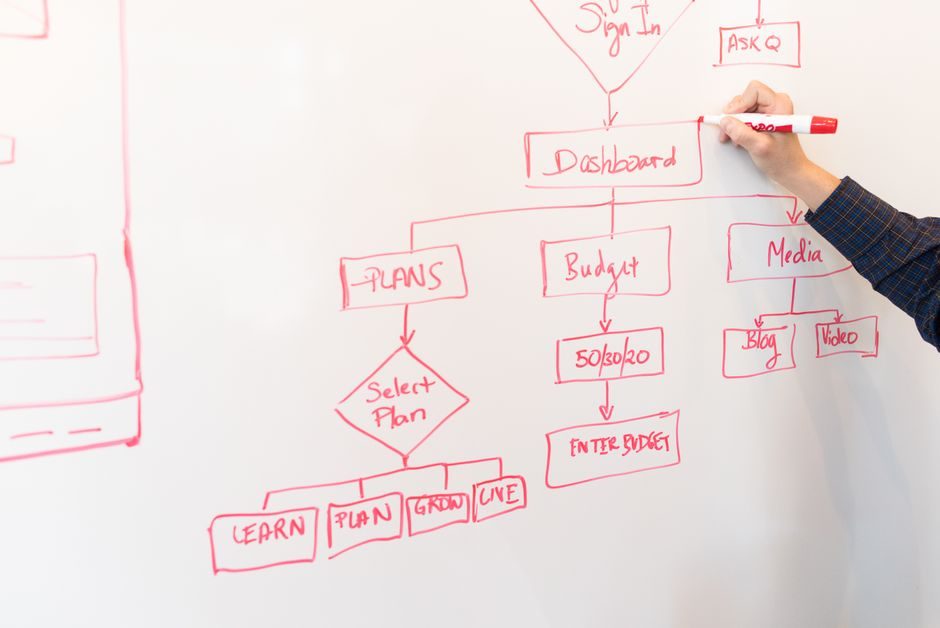
Create a reusable template that lists required fields: event name, venue, date, time, address, accessibility, and contact. Use a consistent tone and formatting to reduce reader confusion. A standard template speeds up posting and minimizes errors.
- Field list for every post.
- Clear tone and format across listings.
Train staff on the template so new contributors can publish with confidence. Include checklists for image rights, caption standards, and update procedures. Consistency builds trust among readers who rely on straightforward, predictable listings.
- Use a fixed field set
- Maintain a uniform tone
- Ensure rights checks
- Provide contributor training
- Implement update procedures
Coordinate with desk editors to keep event listings current. Set a brief cadence for updates when details change, and communicate delays or cancellations promptly. If an event is postponed, confirm the new date publicly and guide readers on attendance options. This keeps the site credible and useful during fast-changing local news.
Frequently asked questions
What should I include in the first paragraph of an Aberdeen event post?Begin with the essential facts—what, where, when, and why it matters to local readers. Then add a practical detail or two that helps someone plan their day, such as access or cost. Keep the tone neutral and avoid hype.
Can I post anonymous or unverified tips about an event?No. Posters should be either confirmed by the organizer or clearly labeled as unverified if included as background. Provide contact details for readers to verify directly and avoid presenting rumors as fact.
How soon should a post go live after details are known?Publish once the core facts are confirmed and the venue is set. If details are preliminary, label the post as subject to change and update quickly as information becomes definite.
What if event details change after posting?Publish a clear update at the top noting the change, the reason, and the new information. Avoid duplicating content; instead, edit the existing post and alert regular readers through a brief notice.
Next steps for reliable event posts
Readers gaining from clear Aberdeen posts should see consistent, factual listings that help plan their days. The next step is to implement a shared checklist across the newsroom and align on a single template for all local events. This ensures dependable, timely information for the public.
A practical follow-up is to schedule a brief weekly review of active listings to ensure accuracy and address reader questions quickly. Maintain a steady cadence of updates and corrections, reinforcing trust with readers who rely on local coverage.
Add Property eNews as a preferred source on Google


