
Introduction
The United Kingdom, known for its unpredictable weather, often finds itself at the mercy of nature’s whims. From heavy rainfall to unexpected snowstorms, these weather events can bring the nation’s transportation networks to a standstill. This article delves into the multifaceted impact of weather disruptions on the UK’s transportation sector, exploring the challenges faced and the measures being taken to mitigate these issues.
The Impact of Weather on Different Modes of Transport
The UK’s transportation network is a complex web of roads, railways, and air routes, each vulnerable to weather disruptions in unique ways. For instance, heavy rainfall can lead to flooding, causing significant delays and cancellations on rail services. Similarly, icy conditions can make roads treacherous, increasing the risk of accidents and slowing down traffic. Air travel is not immune either, with fog and high winds often leading to flight cancellations and diversions.
To understand the weather impact on UK transportation today, it’s essential to look at the specific challenges faced by each mode of transport. The rail network, for example, is particularly susceptible to weather-related disruptions due to the need for precise timing and coordination. A single derailment or landslide can cause a domino effect, leading to widespread delays and cancellations.
Road Transport: Navigating the Challenges
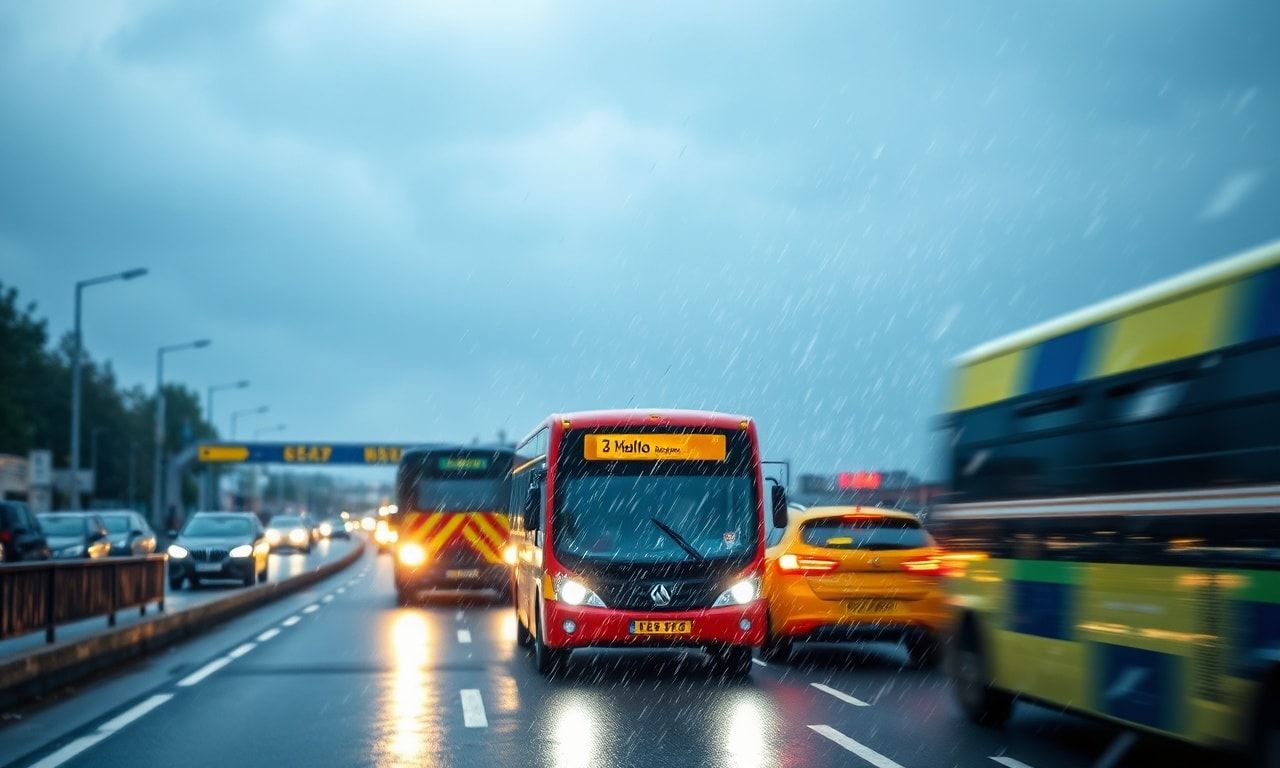
Road transport, which forms the backbone of the UK’s logistics and supply chain, faces its own set of challenges during adverse weather conditions. Heavy snowfall can lead to road closures, while flooding can make certain routes impassable. The Highways Agency and local councils work tirelessly to clear roads and ensure safety, but the sheer scale of the UK’s road network makes this a daunting task.
Motorists are advised to stay informed about weather conditions and plan their journeys accordingly. Real-time traffic updates and weather forecasts can be invaluable tools in navigating the challenges posed by adverse weather. Additionally, ensuring that vehicles are well-maintained and equipped with winter tyres can significantly improve safety during harsh weather conditions.
Rail Transport: Delays and Disruptions
The UK’s rail network is a vital artery, connecting major cities and towns across the country. However, it is also one of the most vulnerable to weather disruptions. Heavy rainfall can lead to flooding, which can damage tracks and cause delays. Similarly, high winds can cause trees to fall onto tracks, leading to cancellations and diversions.
Network Rail, the company responsible for maintaining the UK’s rail infrastructure, has implemented several measures to mitigate the impact of weather disruptions. These include improved drainage systems, better track maintenance, and the use of advanced weather forecasting technology. Despite these efforts, the rail network remains susceptible to the whims of the weather.
Air Transport: Taking Off in the Face of Adversity
Air travel, while often seen as the most resilient to weather disruptions, is not immune to the challenges posed by adverse weather conditions. Fog, high winds, and thunderstorms can all lead to flight cancellations and diversions. Airports and airlines work closely with meteorological services to monitor weather conditions and make informed decisions about flight schedules.
Passengers are advised to stay informed about weather conditions and check their flight status regularly. Many airlines offer real-time updates and notifications, which can help passengers plan their journeys more effectively. Additionally, travel insurance can provide peace of mind in case of weather-related disruptions.
Mitigating the Impact: Strategies and Solutions
While the UK’s transportation network is vulnerable to weather disruptions, there are several strategies and solutions that can help mitigate their impact. Improved infrastructure, better weather forecasting, and enhanced communication between transport operators and passengers are all crucial in this regard.
Investment in infrastructure, such as better drainage systems and more resilient tracks, can significantly reduce the risk of weather-related disruptions. Advanced weather forecasting technology can provide more accurate and timely information, enabling transport operators to make informed decisions about schedules and routes. Enhanced communication, through real-time updates and notifications, can help passengers plan their journeys more effectively and reduce the impact of disruptions.
The Role of Technology
Technology plays a crucial role in mitigating the impact of weather disruptions on the UK’s transportation network. Advanced weather forecasting systems, such as those used by the Met Office, provide real-time data on weather conditions, enabling transport operators to make informed decisions about schedules and routes.
Additionally, the use of social media and mobile apps for real-time updates and notifications can help passengers stay informed and plan their journeys more effectively. Many transport operators now offer these services, providing passengers with up-to-date information on delays, cancellations, and diversions.
Conclusion
The impact of weather disruptions on the UK’s transportation network is a complex and multifaceted issue. While the challenges are significant, there are several strategies and solutions that can help mitigate their impact. Improved infrastructure, better weather forecasting, and enhanced communication are all crucial in this regard. By working together, transport operators, meteorological services, and passengers can navigate the challenges posed by adverse weather and ensure the smooth running of the UK’s transportation network.
As the media landscape continues to evolve, understanding the intricacies of contemporary journalism is more crucial than ever; our latest feature, exploring journalism’s modern challenges, offers an in-depth analysis of these pressing issues.