
Introduction
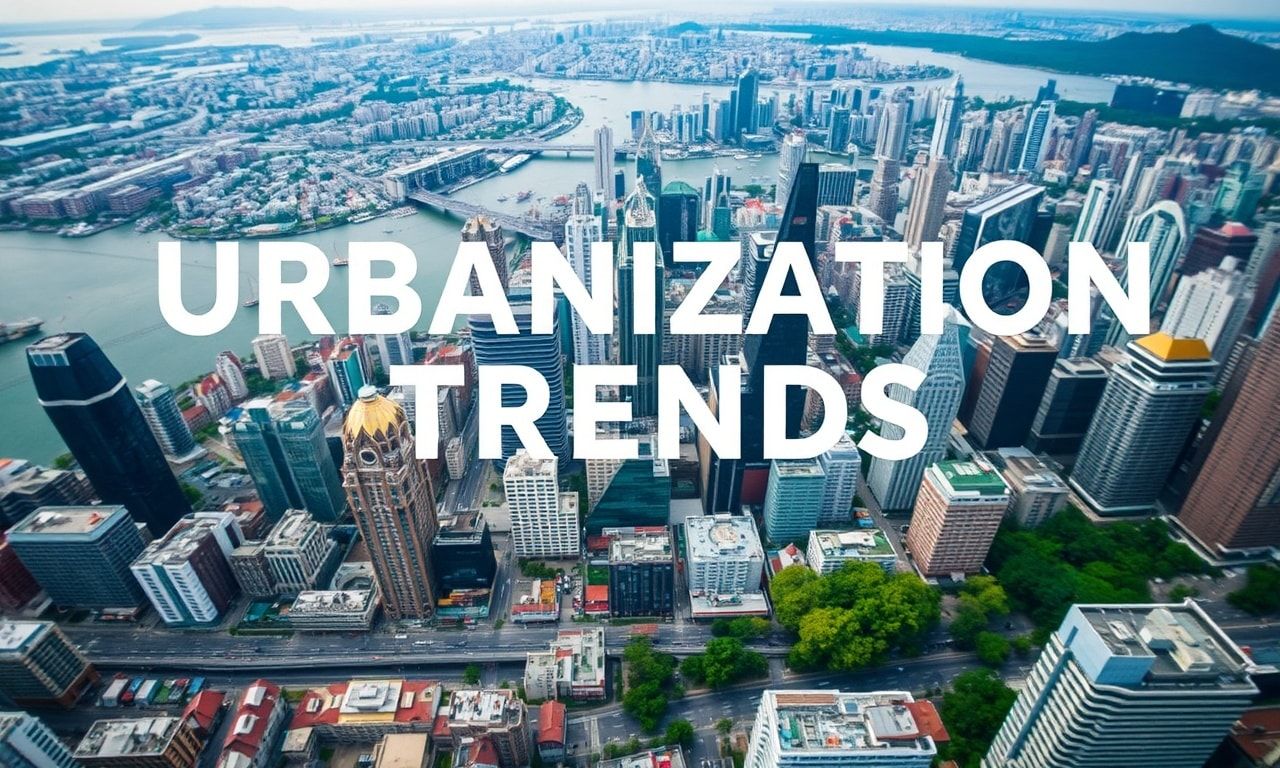
The world is rapidly urbanizing, with cities expanding at an unprecedented rate. This shift has significant implications for infrastructure, property markets, and quality of life. In this article, we explore the trends driving urban growth, the challenges cities face, and the opportunities that arise from this global phenomenon.
The Rise of Megacities
Megacities, defined as urban areas with populations exceeding 10 million, are becoming increasingly common. According to the United Nations, there are currently 33 megacities worldwide, with more expected to emerge by 2030. Cities like Tokyo, Delhi, and Shanghai are not just growing in population but also in economic influence, shaping global trade and innovation.
This rapid urbanization is driven by several factors, including rural-to-urban migration, high birth rates in cities, and the economic opportunities that urban centers provide. For instance, cities offer better access to education, healthcare, and employment, attracting people from rural areas seeking improved living standards.
Challenges of Rapid Urbanization
While urbanization brings economic benefits, it also presents significant challenges. One of the most pressing issues is traffic congestion. Cities like Dhaka, for example, are notorious for their heavy traffic, which can severely impact daily life. For real-time updates on traffic conditions, residents often turn to resources like ঢাকায় আজকের ট্রাফিক আপডেট to navigate their commutes more efficiently.
Other challenges include housing shortages, inadequate infrastructure, and environmental degradation. As cities grow, the demand for housing increases, leading to rising property prices and gentrification. Infrastructure, such as public transportation and utilities, often struggles to keep pace with population growth, resulting in overcrowded and strained systems.
Environmental Impact
The environmental impact of urbanization is another critical concern. Rapid urban growth contributes to increased air pollution, waste generation, and carbon emissions. Cities are major contributors to global greenhouse gas emissions, exacerbating climate change. Addressing these environmental challenges requires sustainable urban planning and the adoption of green technologies.
Opportunities and Innovations
Despite the challenges, urbanization also presents numerous opportunities for innovation and economic growth. Cities are hubs for technology, culture, and commerce, fostering creativity and entrepreneurship. The concentration of talent and resources in urban areas drives advancements in various sectors, from technology to healthcare.
Smart city initiatives are one way cities are leveraging technology to improve urban living. These initiatives involve the use of data and technology to enhance infrastructure, transportation, and public services. For example, smart traffic management systems can reduce congestion and improve air quality by optimizing traffic flow and reducing idle time.
Real Estate Market Dynamics
The real estate market is significantly influenced by urbanization trends. As cities grow, demand for both residential and commercial properties increases, driving up property values. Investors and developers are keenly interested in urban markets, leading to a boom in construction and development projects.
However, this growth also brings challenges, such as affordability and housing shortages. Governments and urban planners must work together to ensure that development is sustainable and inclusive, providing affordable housing options for all residents.
Case Studies: Cities Leading the Way
Several cities around the world are setting examples for sustainable urbanization. For instance, Singapore has become a model for smart city initiatives, using technology to manage traffic, energy consumption, and public services efficiently. The city-state’s urban planning strategies focus on sustainability, green spaces, and high-quality public transportation.
Another example is Copenhagen, which aims to become the world’s first carbon-neutral capital by 2025. The city has invested heavily in renewable energy, cycling infrastructure, and green building practices, demonstrating how urban areas can lead the way in environmental sustainability.
Conclusion
Global urbanization is a complex and multifaceted phenomenon with far-reaching implications. While it presents significant challenges, it also offers opportunities for innovation, economic growth, and improved quality of life. Addressing the challenges of urbanization requires collaborative efforts from governments, urban planners, and communities. By embracing sustainable practices and leveraging technology, cities can become more livable, resilient, and inclusive.
In the realm of international health, innovative programs make a difference by addressing local needs and fostering global well-being.
To stay informed about the latest global happenings, check out our weekly news highlights covering key developments from around the world.
To stay updated on the latest happenings in the sports world, consider exploring current sports trends and news.