
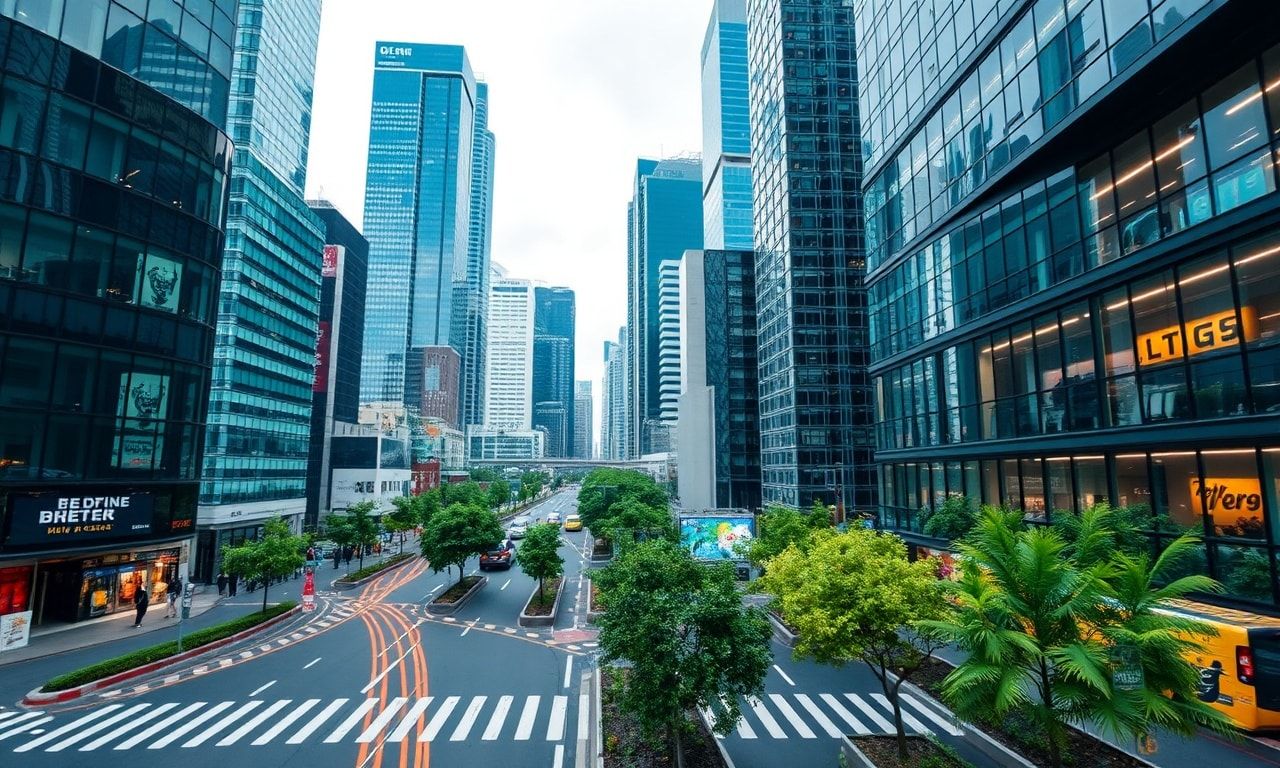
The Evolution of Urban Landscapes
The world’s urban areas are undergoing a profound transformation, driven by technological advancements, environmental concerns, and the need for sustainable growth. Cities are becoming smarter, greener, and more inclusive, with innovative projects and policies reshaping the way we live, work, and interact with our surroundings. This article explores the key trends and developments that are defining the future of urban living.
Sustainability and Green Initiatives
One of the most significant trends in urban development is the emphasis on sustainability. Cities around the world are implementing green initiatives to reduce their carbon footprint and promote environmental stewardship. For instance, many municipalities are investing in renewable energy sources, such as solar and wind power, to meet their energy needs. Additionally, urban planners are incorporating green spaces into city designs, creating parks, community gardens, and green roofs to enhance biodiversity and improve air quality.
Another notable trend is the adoption of sustainable transportation solutions. Cities are expanding their public transit systems, promoting cycling and walking, and investing in electric vehicle infrastructure. These efforts not only reduce greenhouse gas emissions but also alleviate traffic congestion and improve the overall quality of life for residents.
The Role of Technology in Urban Development
Technology is playing a pivotal role in the evolution of urban landscapes. Smart city initiatives are leveraging data and digital technologies to enhance the efficiency and sustainability of urban infrastructure. For example, smart grids are being deployed to optimize energy distribution, while intelligent traffic management systems are reducing congestion and improving traffic flow.
Moreover, the Internet of Things (IoT) is enabling cities to collect and analyze data in real-time, allowing for more informed decision-making. Sensors embedded in infrastructure can monitor air quality, water usage, and waste management, providing valuable insights for urban planners. This data-driven approach is helping cities to become more responsive to the needs of their residents and more resilient to environmental challenges.
Infrastructure Projects and Urban Renewal
Urban renewal projects are a cornerstone of modern city development. These initiatives aim to revitalize aging infrastructure, improve public spaces, and enhance the overall livability of urban areas. For example, the redevelopment of waterfronts and industrial sites into mixed-use communities is a common strategy for urban renewal. These projects often include residential, commercial, and recreational facilities, creating vibrant and dynamic neighborhoods.
One notable example is the city infrastructure project update in Kansas City, which is transforming the city’s downtown area into a hub of innovation and sustainability. This project includes the construction of new public parks, the expansion of public transit, and the implementation of smart city technologies. Such initiatives not only enhance the aesthetic appeal of urban areas but also stimulate economic growth and create jobs.
Inclusive and Equitable Urban Planning
Inclusive and equitable urban planning is another key trend in modern city development. Urban planners are increasingly recognizing the importance of creating cities that are accessible and welcoming to all residents, regardless of their background or abilities. This involves designing inclusive public spaces, providing affordable housing, and ensuring that all residents have access to essential services and amenities.
For example, cities are implementing universal design principles to make public spaces more accessible to people with disabilities. This includes the installation of ramps, elevators, and tactile paving, as well as the provision of accessible public toilets and seating areas. Additionally, urban planners are promoting mixed-income housing developments to ensure that all residents have access to safe and affordable housing.
The Future of Urban Living
The future of urban living is being shaped by a combination of sustainability, technology, and inclusivity. As cities continue to grow and evolve, they will need to adopt innovative solutions to address the challenges of urbanization. This includes investing in green infrastructure, leveraging smart technologies, and promoting inclusive and equitable urban planning.
By embracing these trends, cities can become more sustainable, resilient, and livable, providing a high quality of life for their residents. The transformation of urban landscapes is an ongoing process, and the innovations and initiatives being implemented today will shape the cities of tomorrow.